


The Science Neighborhood: Innovation, Inclusivity, and Sustainability for Kharkiv’s reconstruction
Kharkiv, Ukraine’s second-largest city and a long-standing hub of culture, science, and industry, stands today at the forefront of recovery and renewal. Amid the of the conflict, reconstruction is not only an urgent necessity but also a unique opportunity to build back better, reimagining Ukrainian cities through inclusivity, innovation, sustainable housing, and nature-based solutions. This vision lies at the heart of the UN4UkrainianCities initiative led by the United Nations Economic Commission for Europe.
It is in this context that the initiative is publishing the Science Neighbourhood pilot project, presenting a forward-looking idea first introduced by Mayor Ihor Terekhov outlining a bold vision for a new science-driven district designed to foster innovation, research, and knowledge-based development as a pillar of the city’s recovery.
Developed by the Norman Foster Foundation (NFF), the Science Neighbourhood concept adopts a strongly humanitarian and people-centred approach to post-war reconstruction. It proposes a complete and livable neighborhood that brings together housing, amenities, inclusive mobility, and generous green spaces. Supporting, this way, environmentally responsible lifestyles while positioning science and innovation as key drivers of Kharkiv’s long-term resilience and future growth.
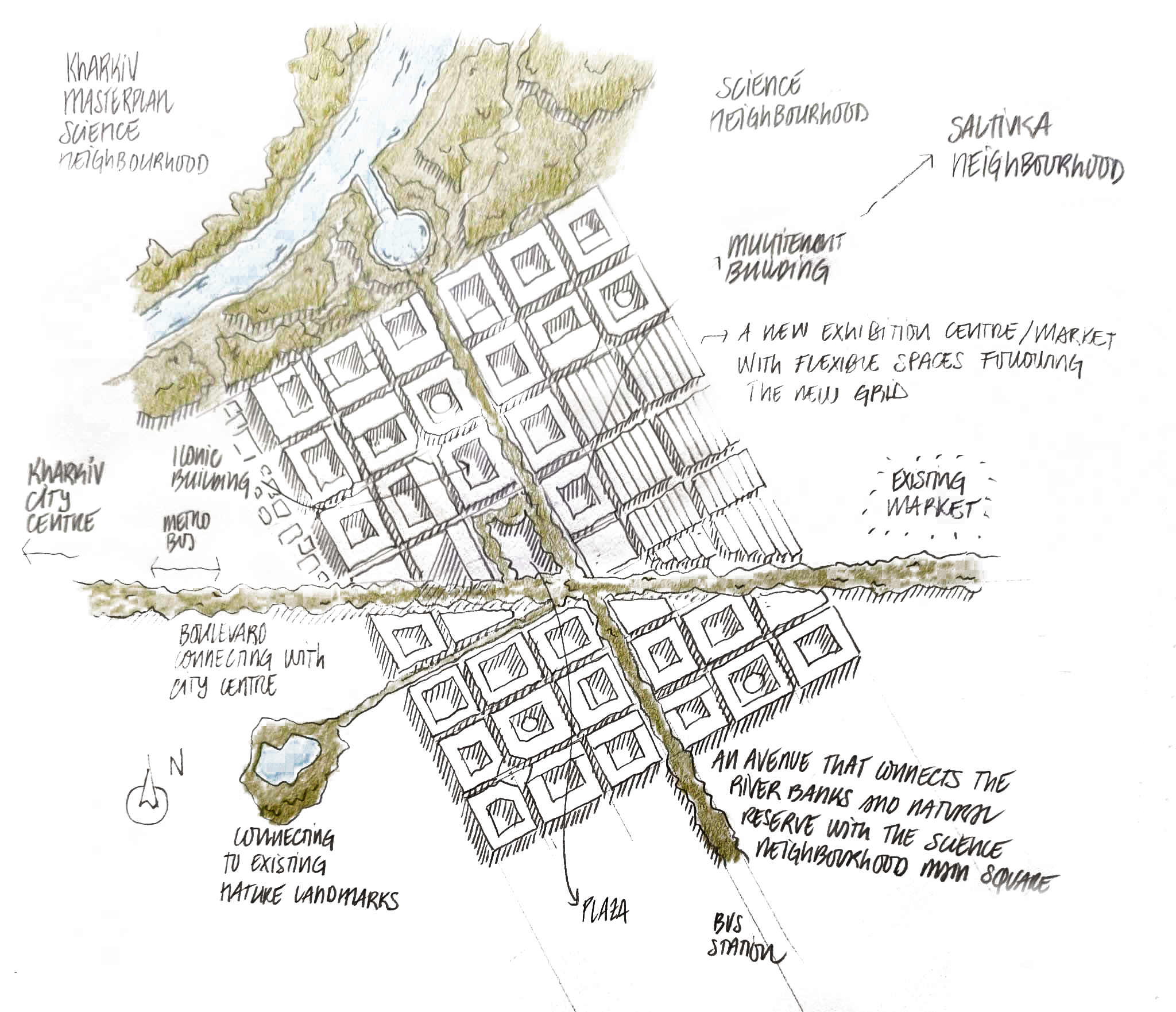
Figure 1. Science Neighborhood's concept © Norman Foster Foundation (NFF)
Strategic Location and Urban Context
Among the three shortlisted locations, the Barabashovo Market was selected, a retail hub for both local and international trade. Before the conflict, it was the largest market in Eastern Ukraine and the 14th largest in the world. This site is known for its unique atmosphere and remains an iconic location despite war-related challenges, thanks to its economic importance and cultural significance.
To develop a culturally sensitive approach and foster social cohesion, the Science Neighbourhood will maintain a more compact market and modernize it. The damaged areas are potential zones for a spatial renewal that meets functional needs while proposing ways to enhance the overall quality and use of the space. Indeed, the new market space retains its role as a dynamic hub while adding community gathering spaces, exhibition halls, and areas for cultural events, fairs, and business conferences. This site can become a cultural and economic attractor, drawing businesses and cultural organizations while reinforcing the city's identity. Ultimately, this approach ensures that the neighbourhood is deeply rooted in its location and its traditional role.
Moreover, the site chosen to host the Science Neighbourhood is particularly strategic because it binds three key areas of Kharkiv that are now separated by a population and density void: the City Centre, Saltivka (residential area), and the Industrial District. Moreover, the site is bordered by the Kharkiv River, a currently underutilized asset whose natural areas could be transformed into spaces for sports, events, and leisure.
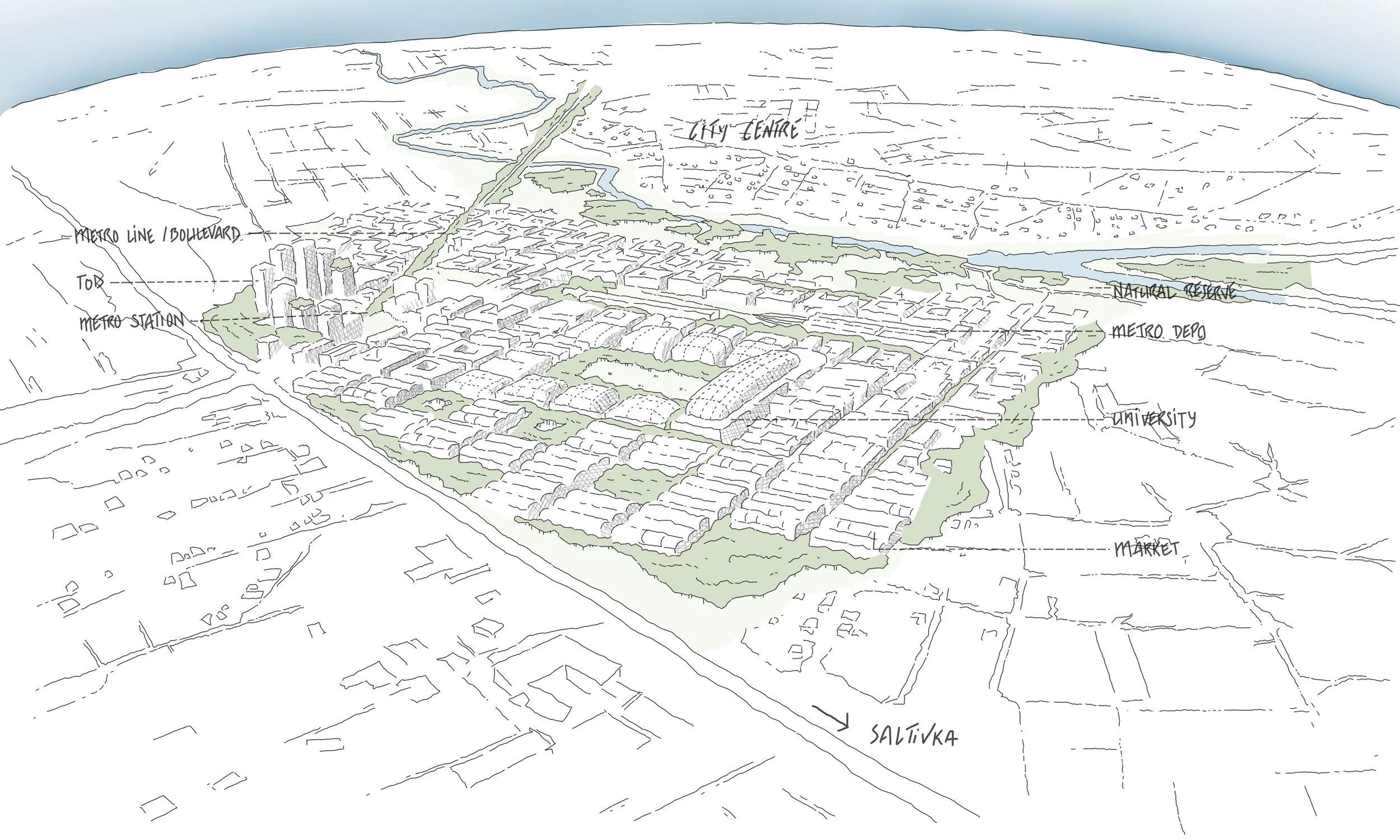
Figure 2. Strategic location of the Science Neighborhood project and adjacent sites © NFF
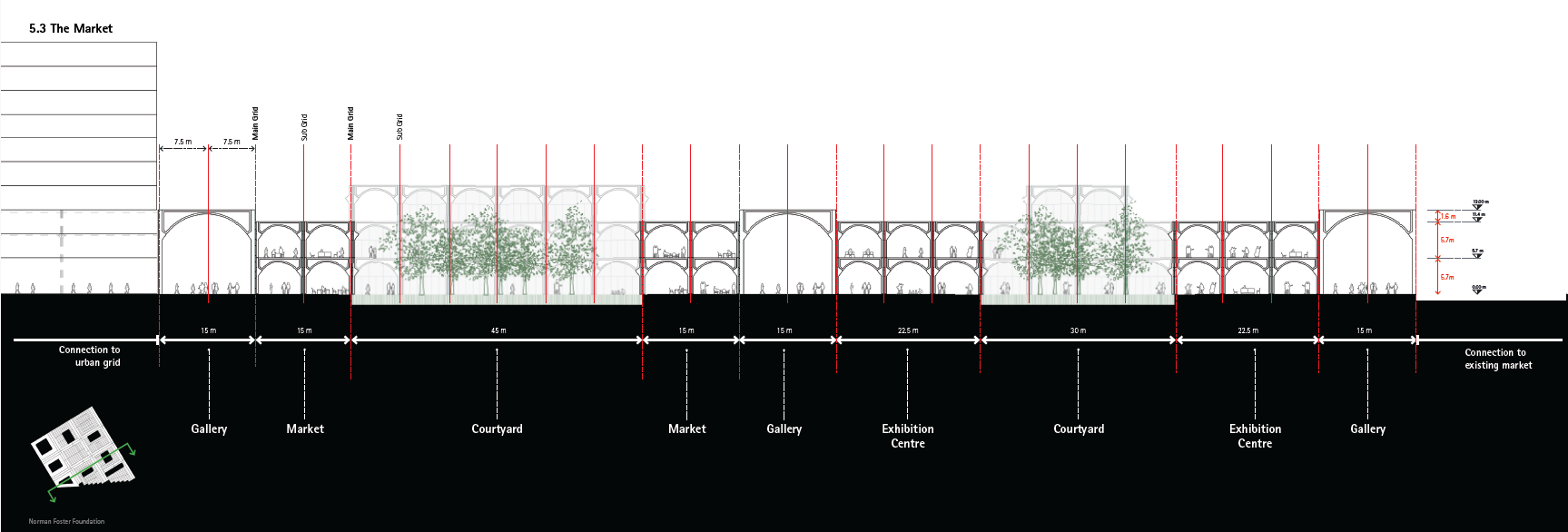
Figure 3. New design of the Barabashovo Market © NFF
A New Model for Innovation-Led Urban Development
In practical terms, learning from the benefits and drawbacks of science parks, the Science Neighbourhood combines the benefits of traditional science parks – high-quality buildings, innovative companies, universities, research centres, startups, economic growth – with the benefits of a compact, walkable, green, lively, safe and mixed-use neighbourhood. The project integrates:
Work and commerce
University, leisure, and cultural activities
Housing and vegetation
High quality public spaces (e.g., a new square)
Underground infrastructure
Buildings characterized by courtyards, setbacks, and colonnades.
In other words, the Science Neighbourhood does not solely focus on fostering innovation, represented in a form of a central, multi-tenant, and single-tenant buildings that accommodate a growing IT workforce; but goes beyond, prioritizing housing and amenities.
Ultimately, the Science Neighbourhood strives to maximize innovation while spreading its benefits citywide. Indeed, the project's connectivity prevents knowledge and resources from remaining isolated within their respective institutions.
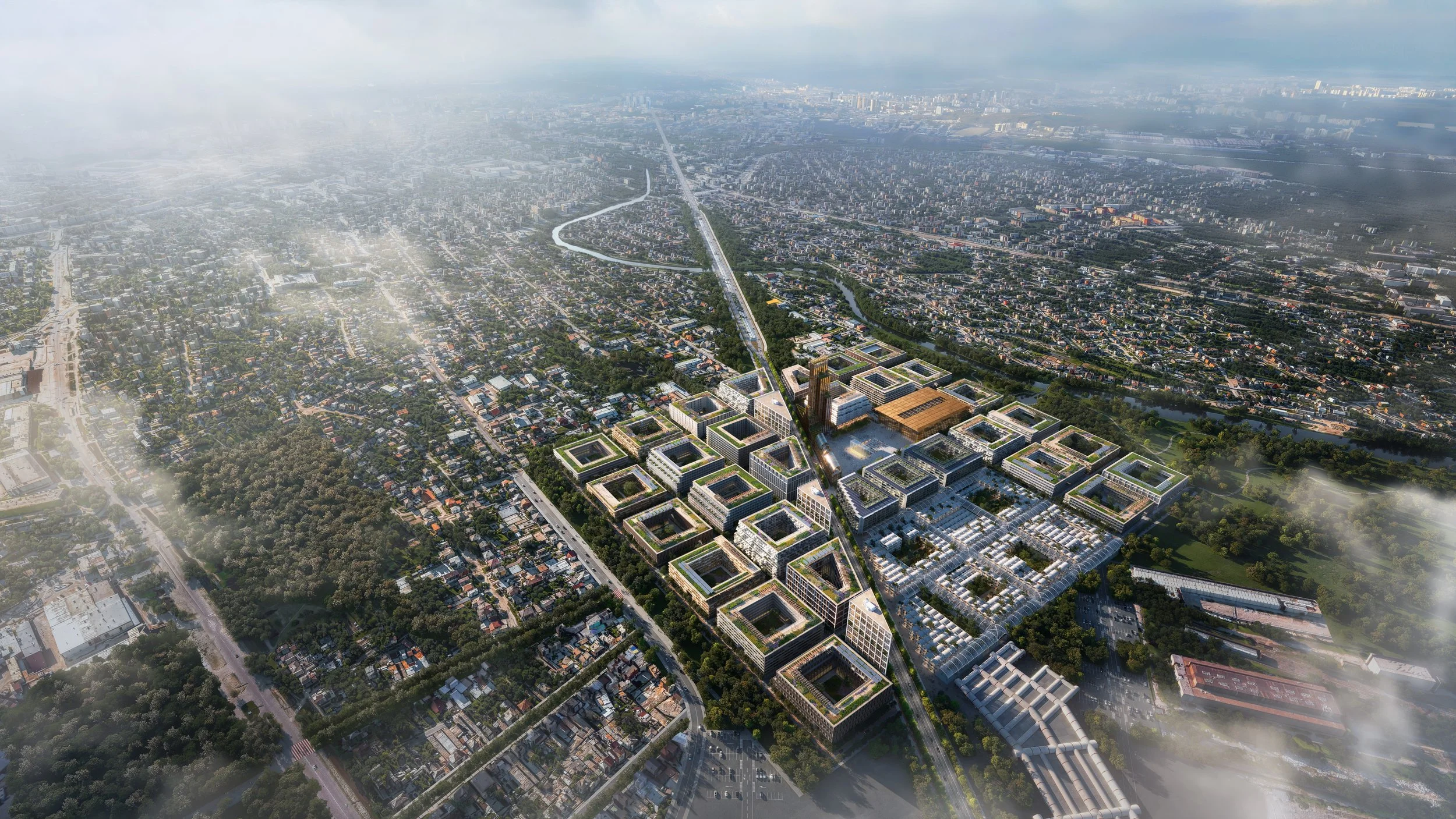
Figure 4. Science Neighborhood aerial view © NFF
Balancing Nature and Buildings: the DNA of the Science Neighbourhood
The Science Neighbourhood aims at balancing urban development and nature conservation. It does so by protecting existing natural areas and reducing the overall urban footprint, and by integrating green spaces within the urban fabric. Its mid-rise, high-density development model optimizes land use, minimizes environmental impact, and establishes connections to surrounding natural landmarks. Moreover, buildings are proposed to host green and canopy roofs which will supports biodiversity, ecological resilience, and community well-being.
Additionally, a green corridor will serve as a pedestrian- and cyclist-priority street. It will be landscaped with trees and plants, connecting the square to a designated nature reserve along the riverside as a leisure destination.
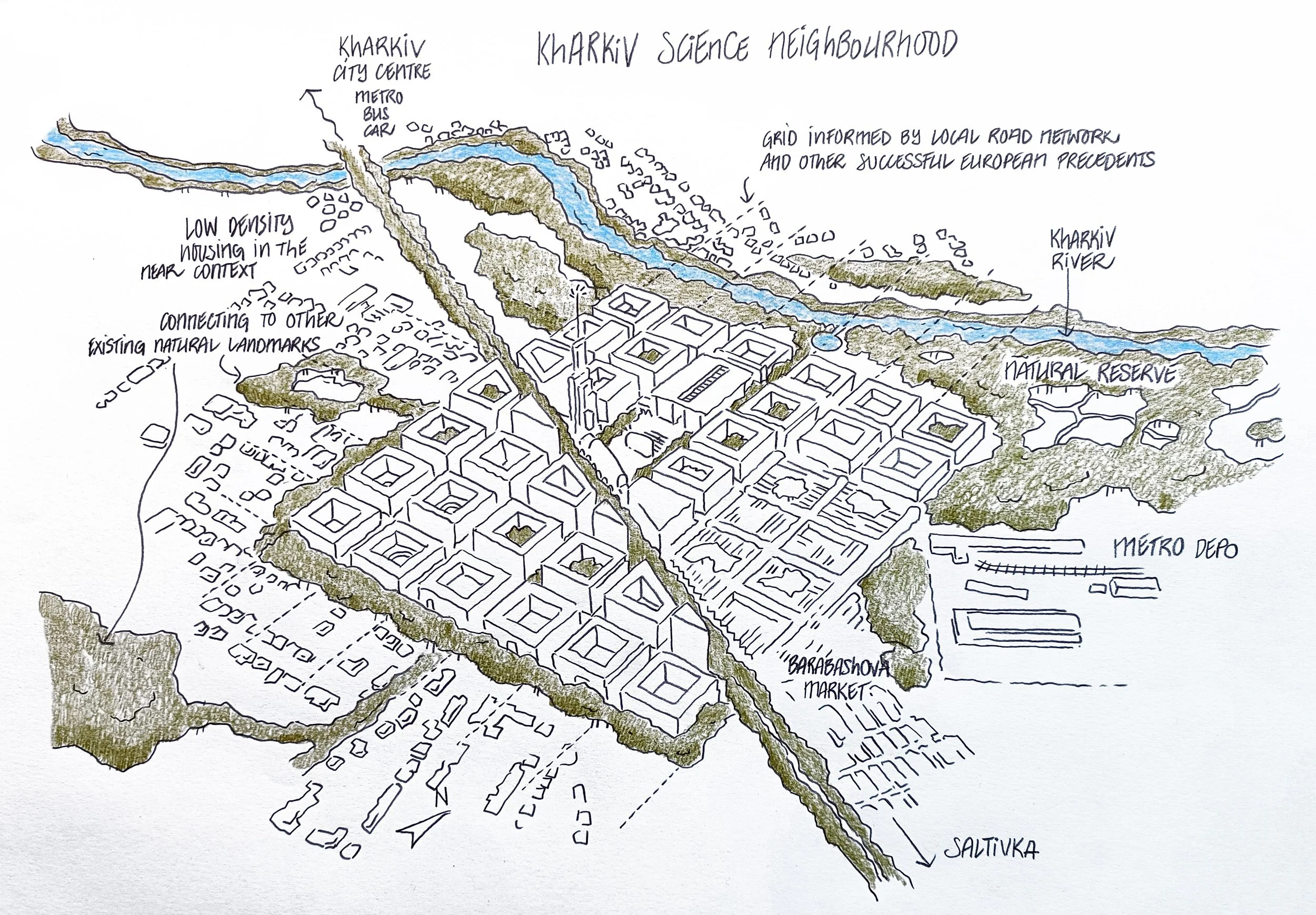
Figure 5. Integration of natural elements in the project © NFF
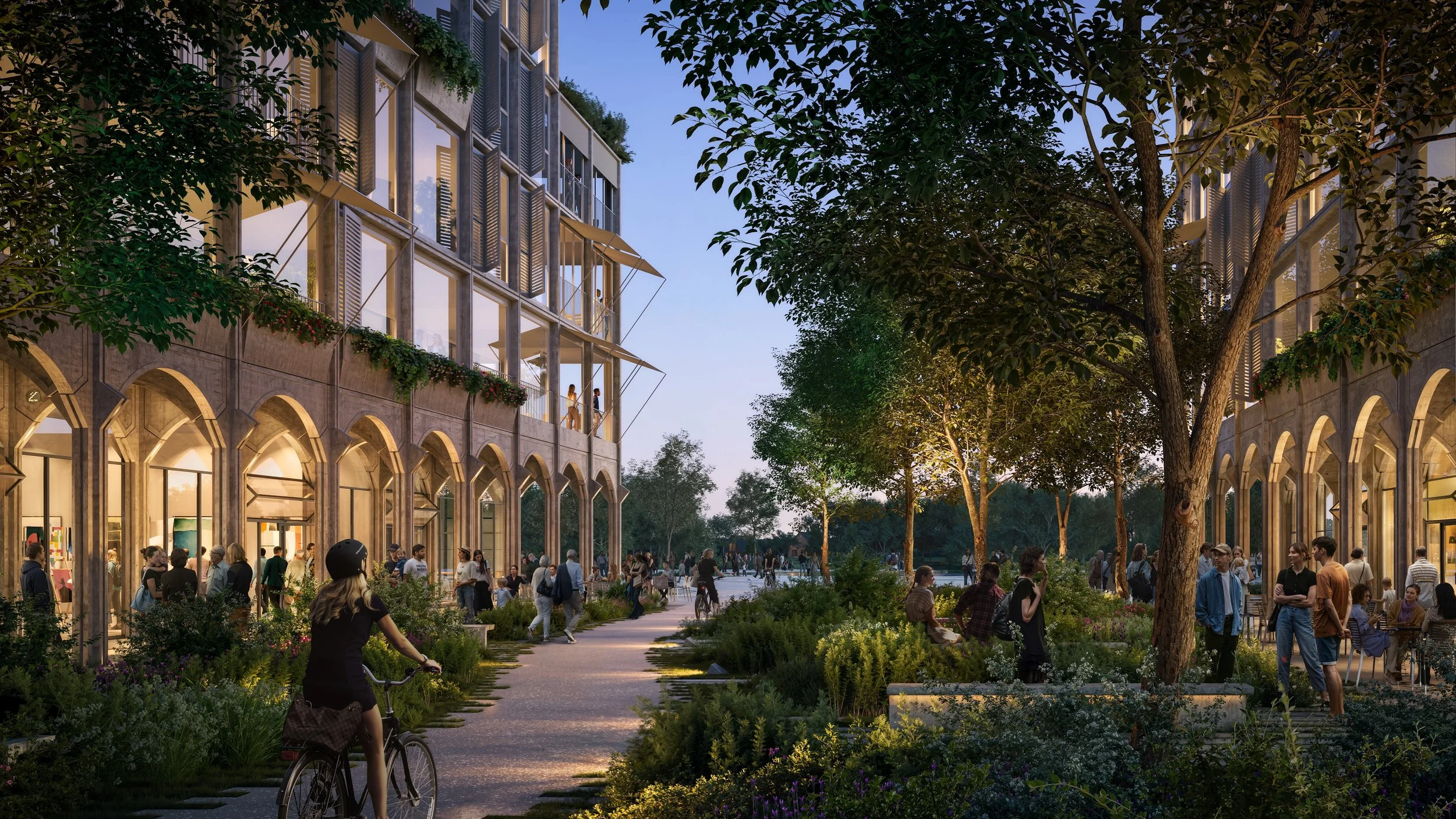
Figure 6. Pedestrian view of the green corridor © NFF
Climate-Responsive and Sustainable Design
As demonstrated by Ukraine’s 2021 updated Nationally Determined Contribution (NDC) and its participation in the Climate & Clean Air Coalition (CCAC), reducing domestic greenhouse gas emissions and advancing environmental sustainability are central to the country. These commitments are reflected in the Science Neighbourhood design through solutions that ensure sustainability. These include energy demand and supply opportunities via energy harvesting, water management strategies, sustainable mobility, and nature preservation plans.
In addition, a high-level hazard analysis has been undertaken for both the current and future climate scenarios in Kharkiv. Based on this analysis, the primary design goal is to create environments in which thermal comfort can be maintained for longer periods.
Economic, Social, and Community Impacts
In line with Ukraine’s recovery goals, the project not only promotes technological innovation but also creates jobs, supports education, and advances social welfare.
The Science Neighbourhood fosters green economy, green jobs, and sustainable businesses. Indeed, the built environment has a significant impact on many sectors of the economy, on local jobs, and on quality of life. For instance, the energy strategy offers opportunities for job creation and attracts clean technology start-ups and research facilities.
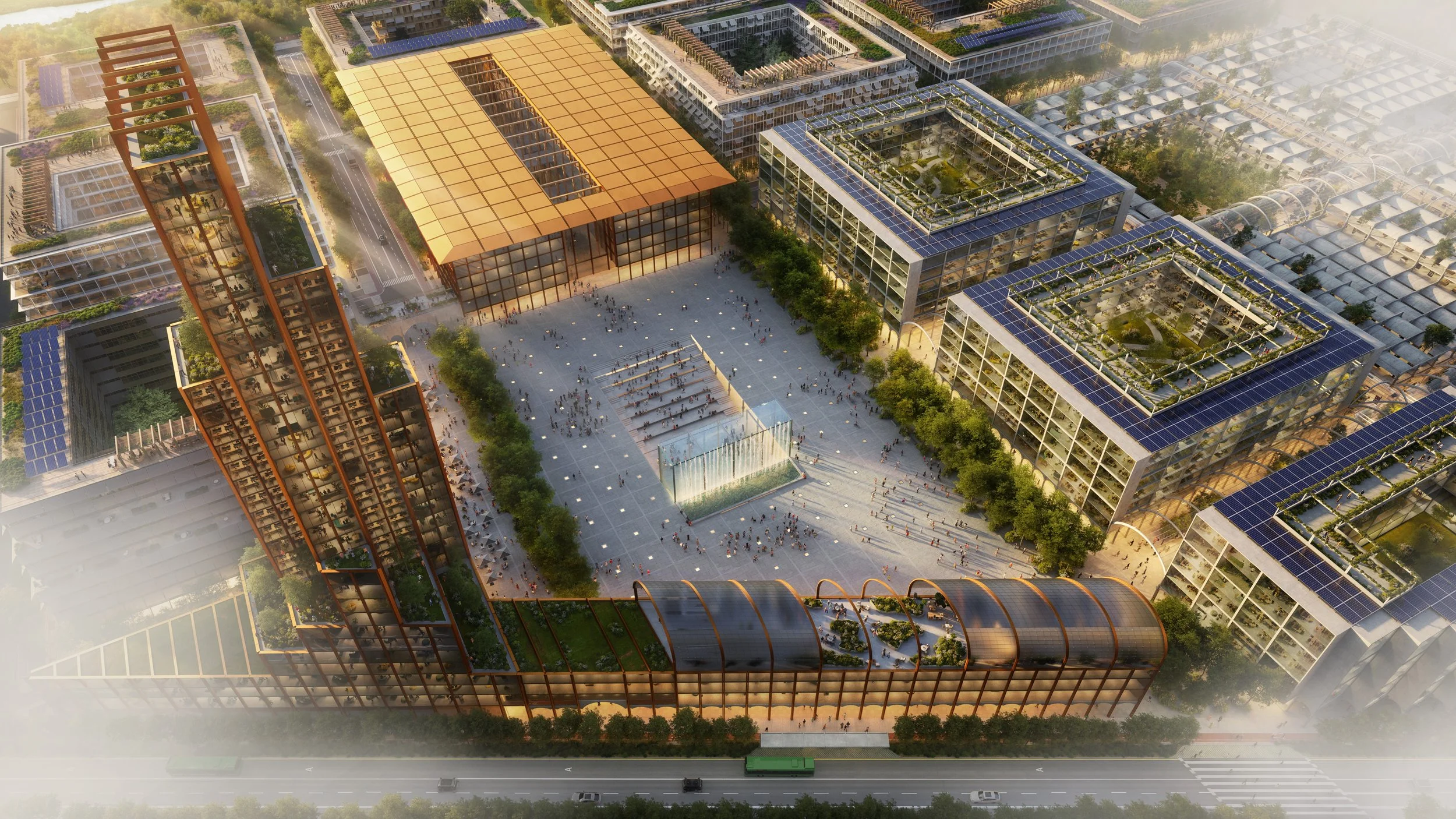
Figure 7. The square, the vibrant heart of the Science Neighborhood and one of the main elements fostering interaction and community cohesion © NFF
The Science Neighbourhood: Kharkiv’s Next Chapter
The Science Neighbourhood represents a new chapter for Kharkiv, one that preserves the city’s identity while also innovating to build back better. Based on environmental responsibility and community engagement, it serves as a symbol of the city’s determination to foster innovation while also investing in its capital: its natural heritage and collective life, which will allow the city to emerge as greener and more connected than ever before.
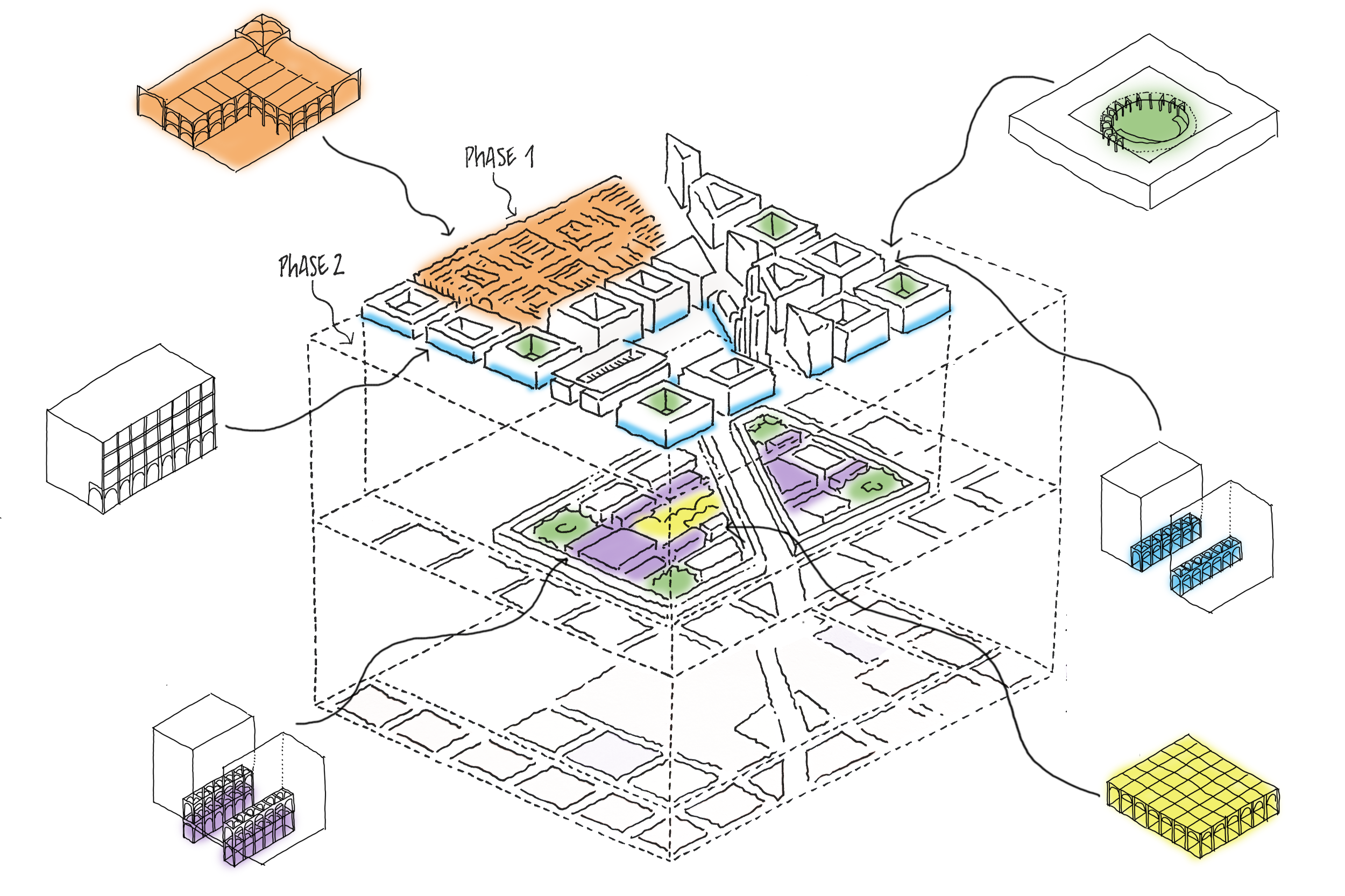
Figure 8. Science Neighborhood to be built in phases with all its elements © NFF
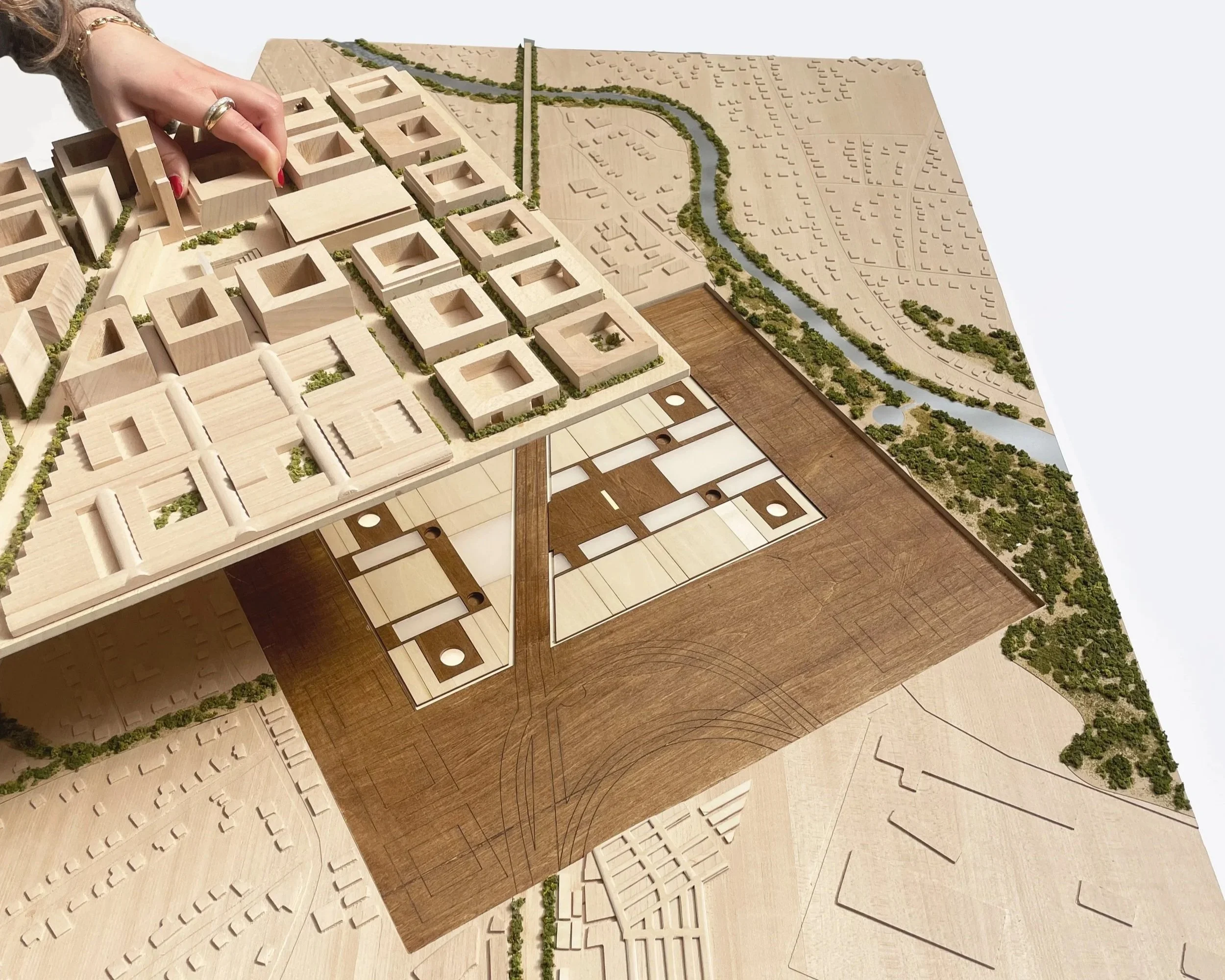
Figure 9. Physical model showing the levels © NFF