


Nature in Cities: Perspectives from Data to Practice
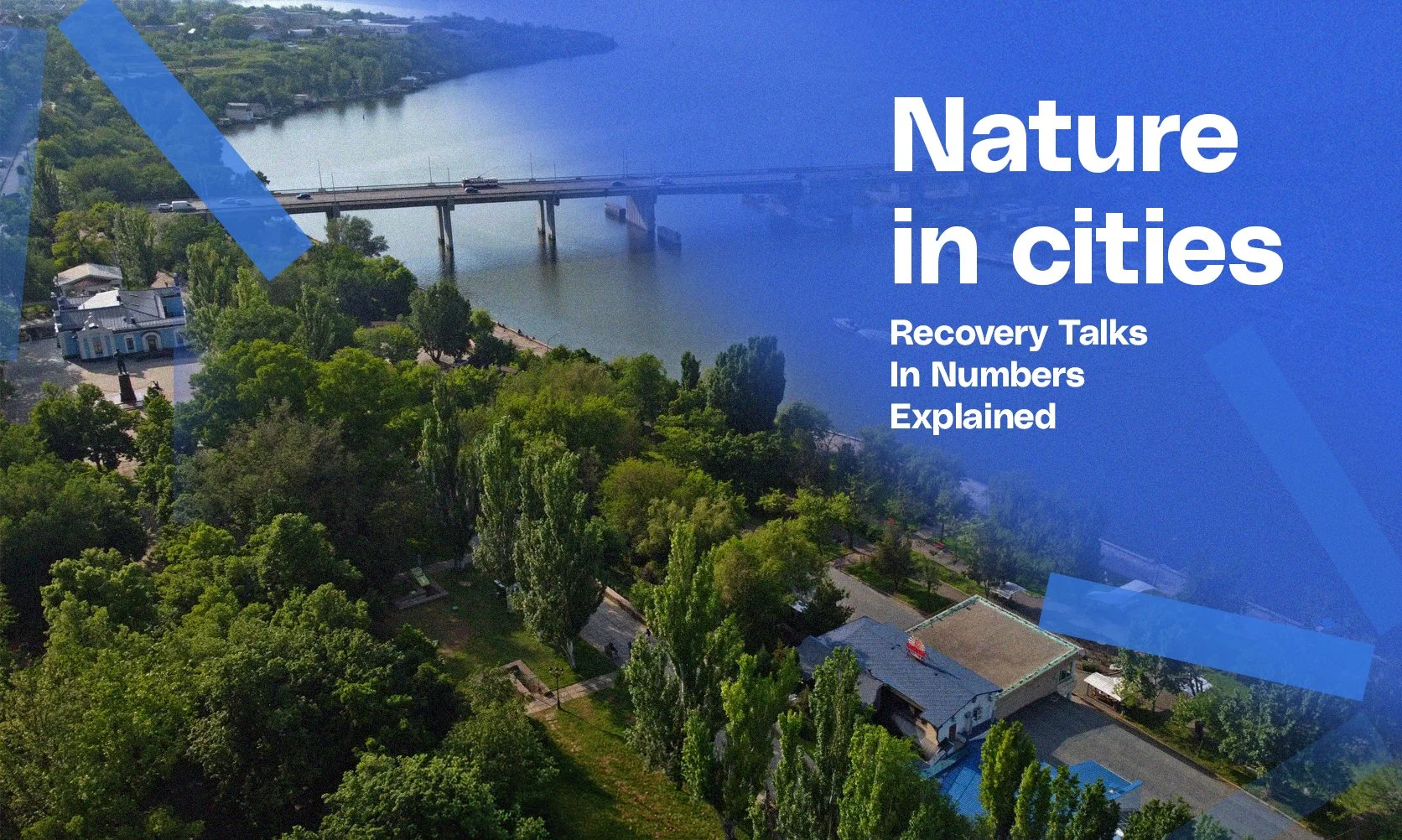
The new UN4UkrainianCities social media and video series offer insights into the key challenges shaping urban recovery and reconstruction in Ukraine, while also providing an opportunity to better understand the Initiative's progress and latest results.
Recently, several episodes have explored the role of Nature in Cities, highlighting how urban nature can contribute to livable and sustainable urban environments. Through this series of episodes, UN4UkrainianCities has examined the mechanisms behind the social, environmental, and economic benefits of urban nature, while showcasing how these principles are being translated into practice through the project’s pilot initiatives in cities in Ukraine. Come with us as we explore this topic in more in details.
Nature in Cities: In Numbers
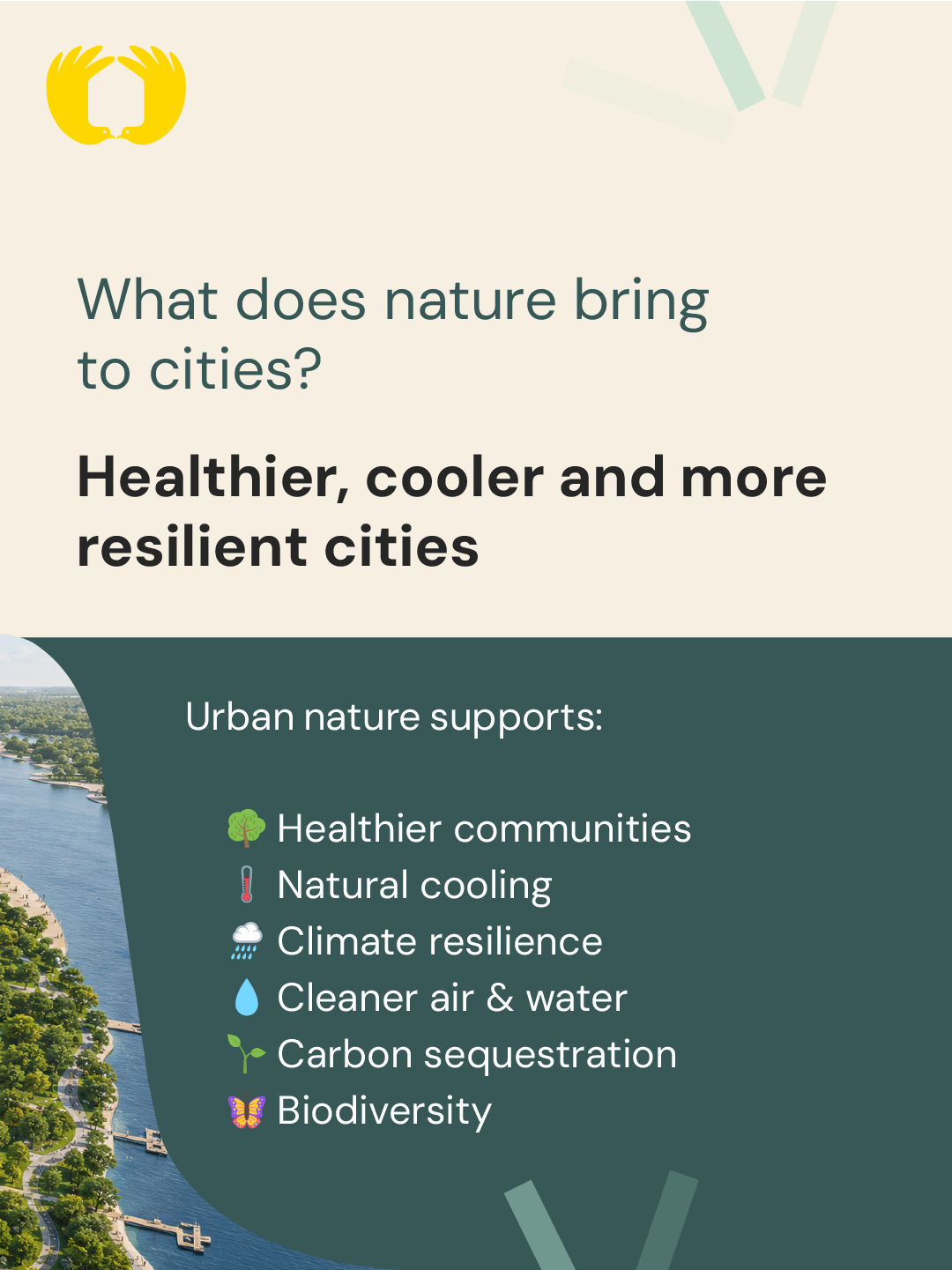
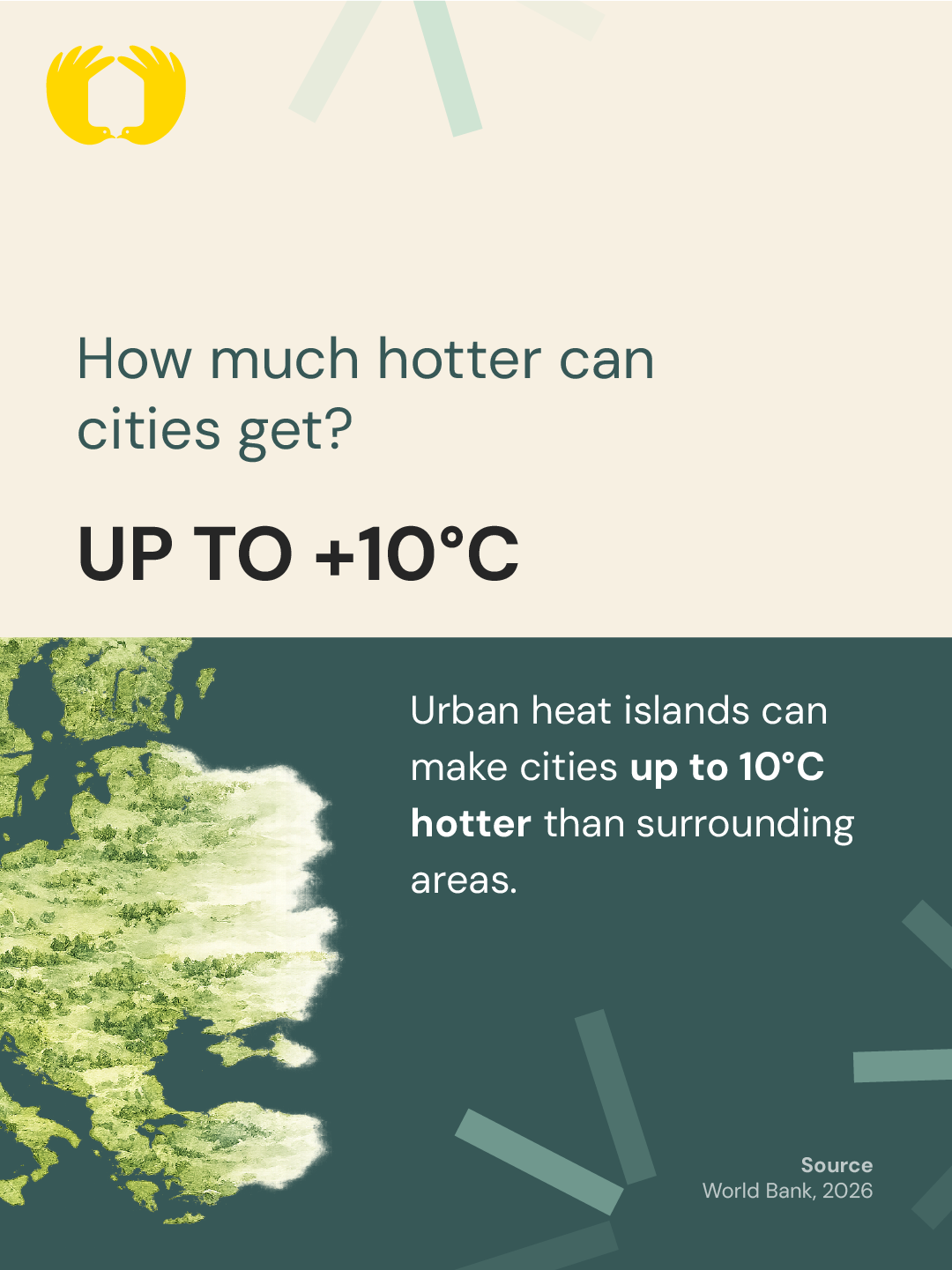
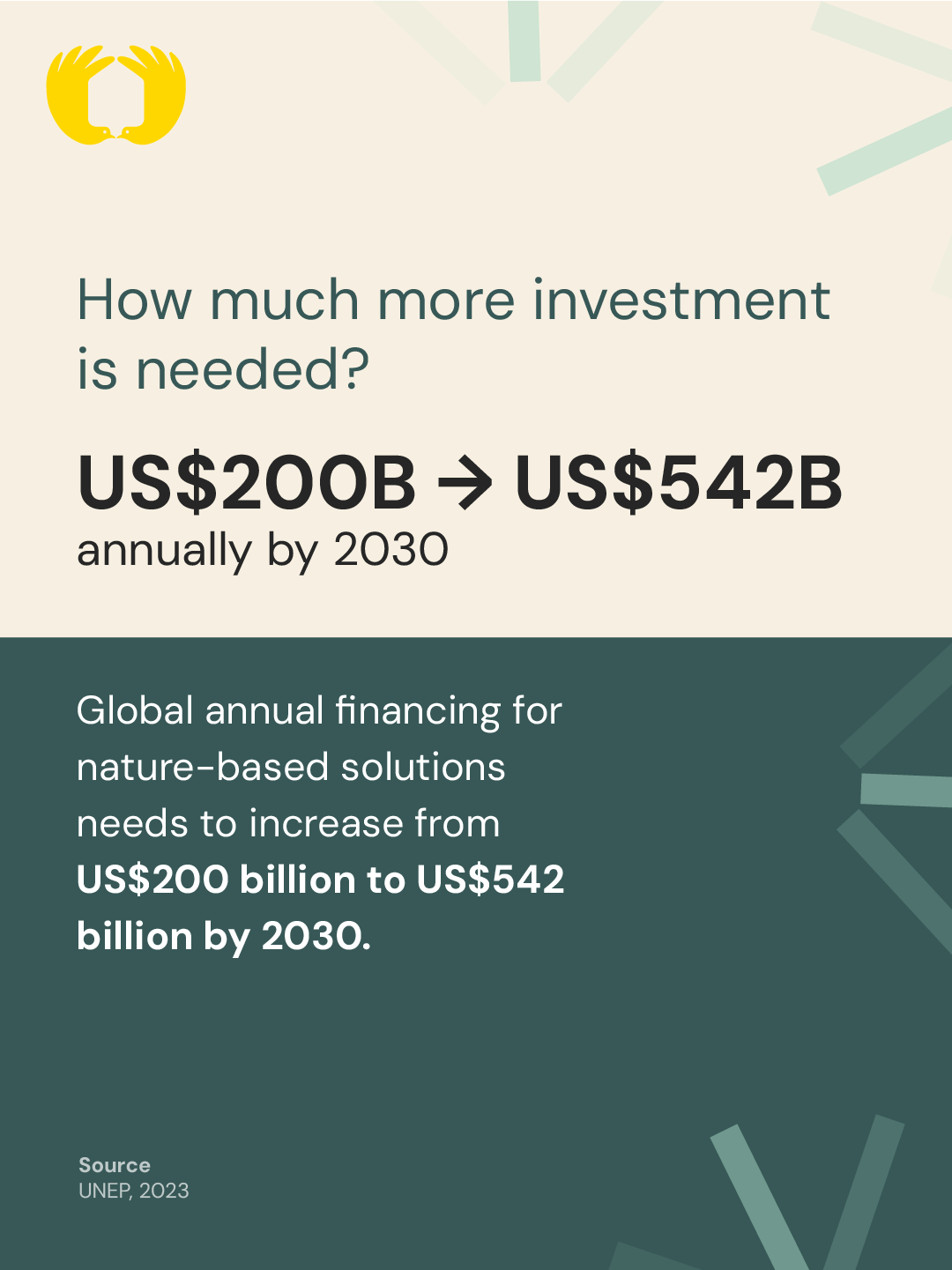
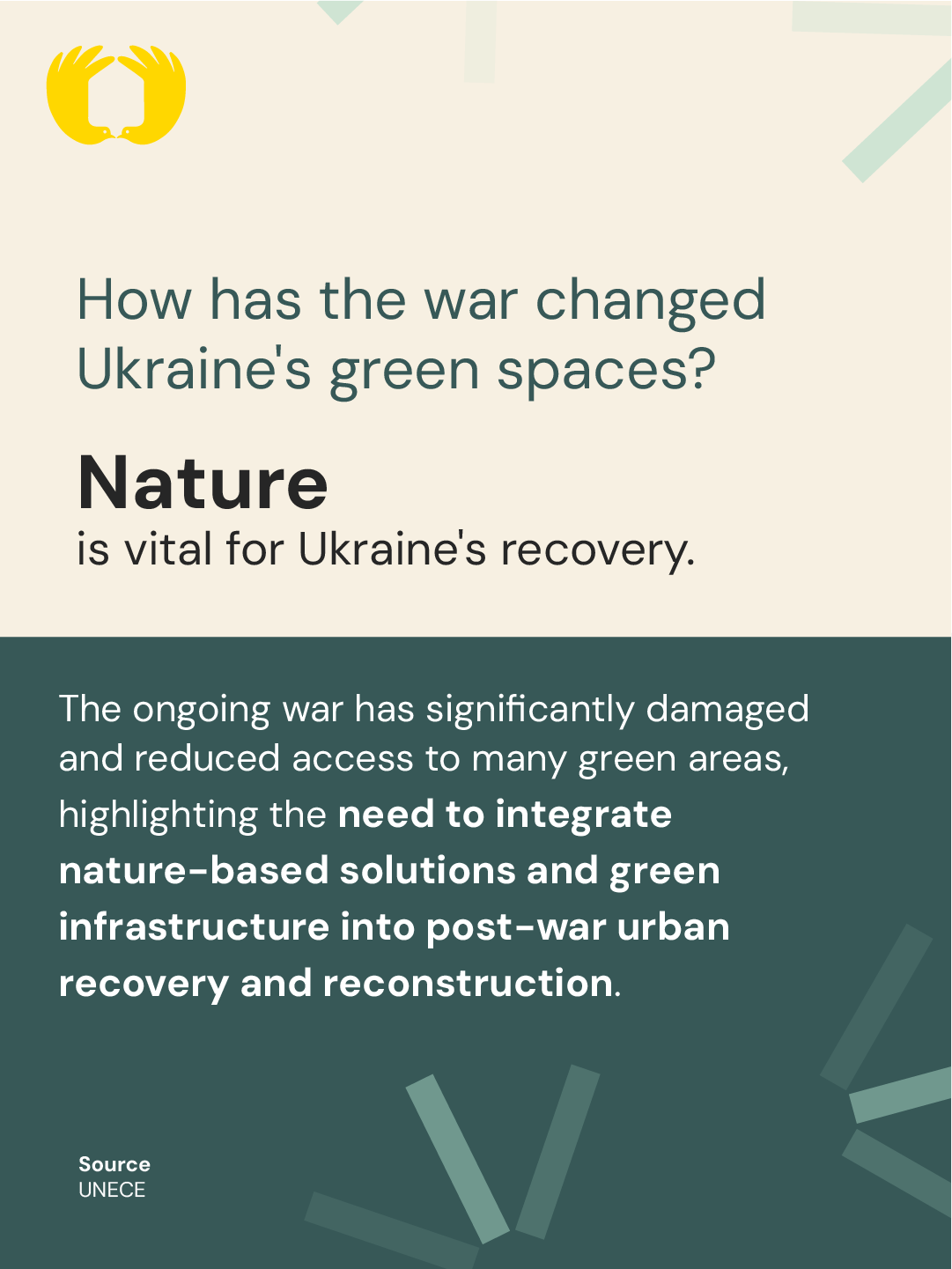
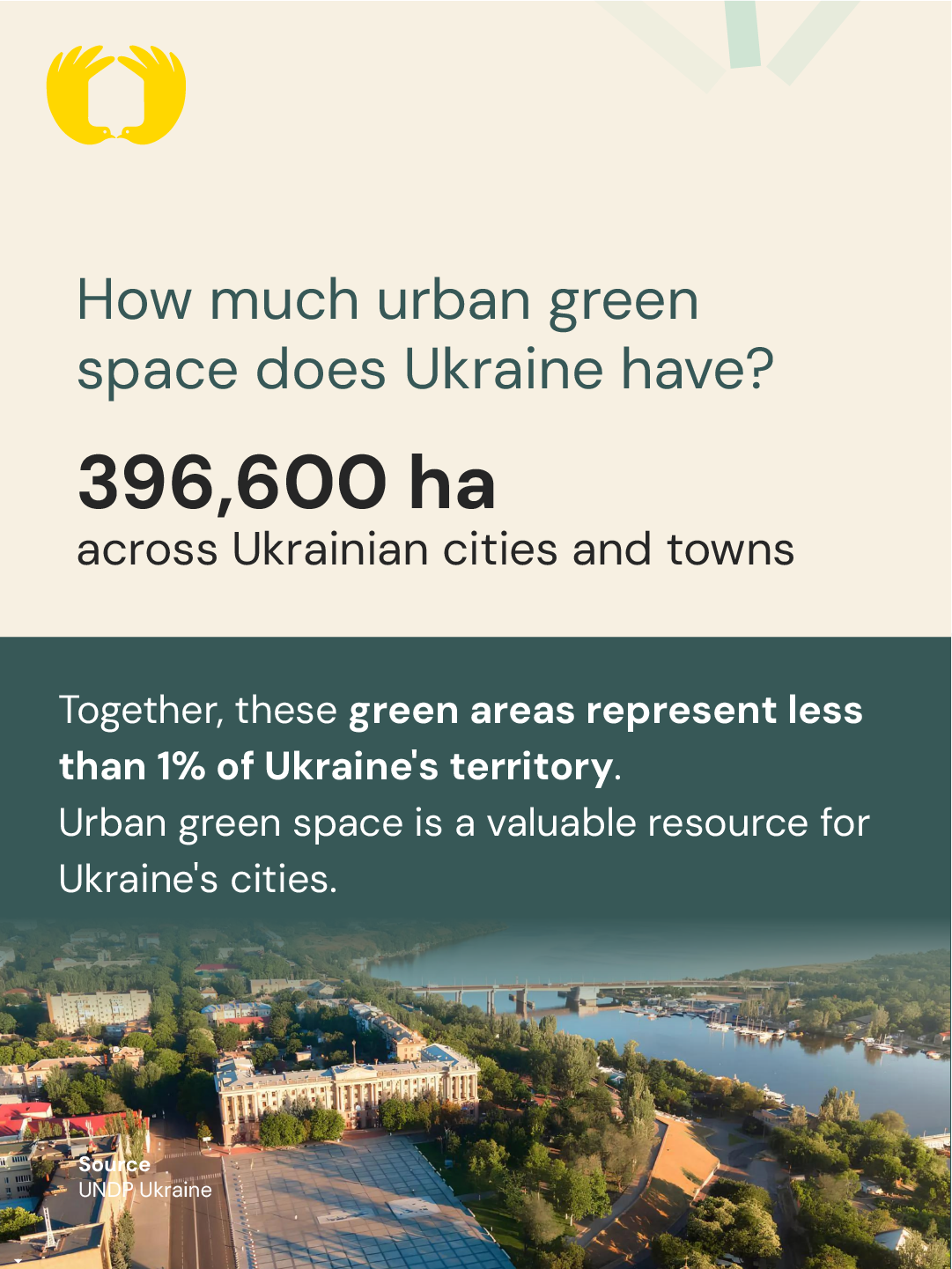
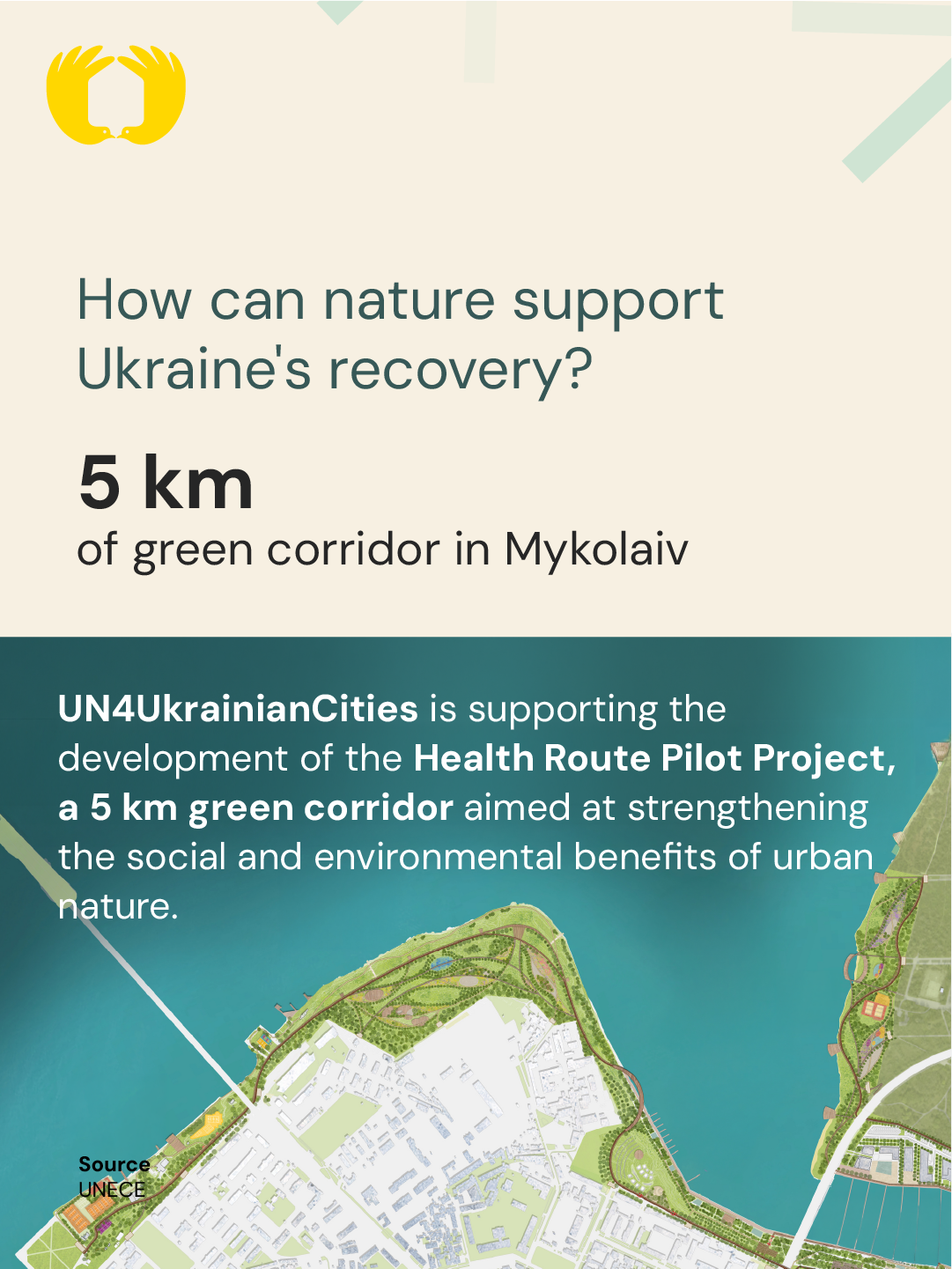
The In Numbers series breaks down the facts behind today’s most pressing questions and connects them to the project’s on-the-ground work. The episode focusing on Nature in Cities presented key facts and statistics on the challenges and opportunities of integrating nature-based solutions into city planning and reconstruction, including in Ukraine.
In an increasingly urbanized world, urban nature plays a growing role in shaping healthier and more resilient cities. This episode highlighted the related social, economic, and environmental benefits and discussed challenges.
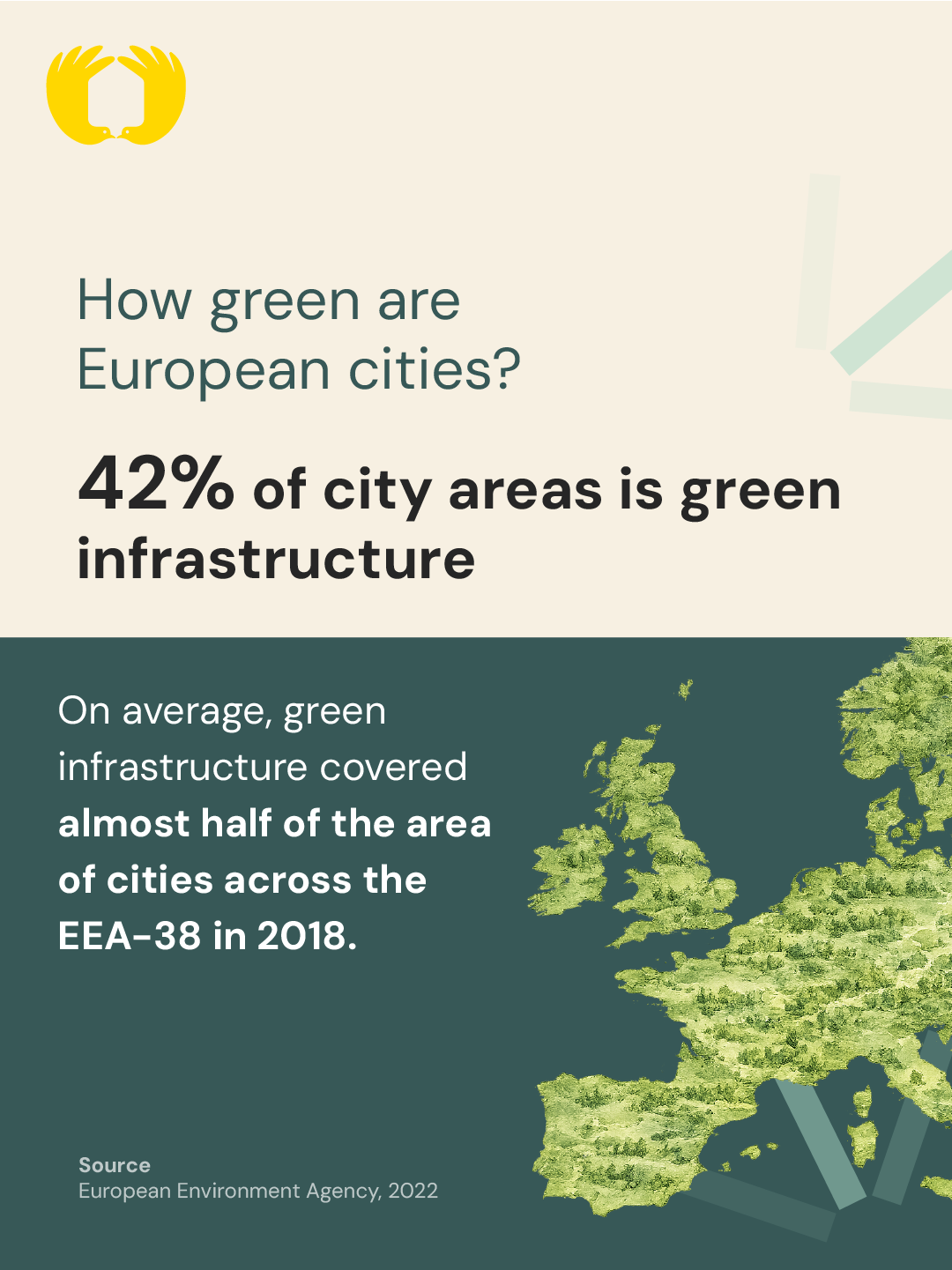
The content explored the current state of urban green spaces in Europe. In 2018, green infrastructure made up on average 42% of the area of cities in the 38 European Environment Agency (EEA) member countries (EEA, 2022). Access to green and blue spaces differs across Europe, with cities in the north and west of Europe showcasing more total green spaces within their area than those in southern and eastern Europe. Overall, the EEA shows that publicly accessible green areas make up a relatively small share of total green spaces, with the degree of greening varying across neighborhoods.
Moreover, the episode highlighted some of the key challenges related to insufficient urban green spaces, including increased urban heat islands. This phenomenon makes cities even hotter, sometimes up to 10°C, threatening lives, productivity, and economic stability (World Bank, 2026). As extreme heat is reshaping life in cities, planting trees and creating urban green spaces help mitigate these effects through heat absorption.
The segment continued with an analysis of the needed investment in nature-based solutions (NbS), noting that investments in nature and nature-based solutions in cities tend to be underutilized and underfunded, in part because they lack supporting data. The United Nations Environment Programme (UNEP) estimates that global annual NbS financing of US$200 billion would need to increase to US$542 billion by 2030 to meet climate, biodiversity and land degradation targets (UNEP 2023).
Finally, information about the Ukrainian context is presented. Here, the ongoing war has caused extensive damage to natural capital and urban green infrastructure, further highlighting the need to protect and restore nature within cities. According to UNDP Ukraine, the total area of green spaces within Ukrainian cities and towns covers approximately 396,600 hectares, representing less than 1% of the country’s total territory. The analysis of these data highlights the importance of nature restoration and protection as a central component of Ukraine’s reconstruction and recovery, a principle that is being translated into concrete action through the UN4UkrainianCities Initiative, particularly through the Health Route pilot project in Mykolaiv.
Recovery Talks with Beatrice Magagnoli
The interview series Recovery Talks, feature conversations with specialists working across recovery, reconstruction, housing, and urban development in Ukraine, offering direct insights and perspectives. To discuss Nature in Cities, Beatrice Magagnoli, Landscape Architect at LAND Italia, was invited to share her impressions of working on the UN4UkrainianCities Health Route pilot project in Mykolaiv, exploring how landscape transformation can help build a more resilient, people-centered city.
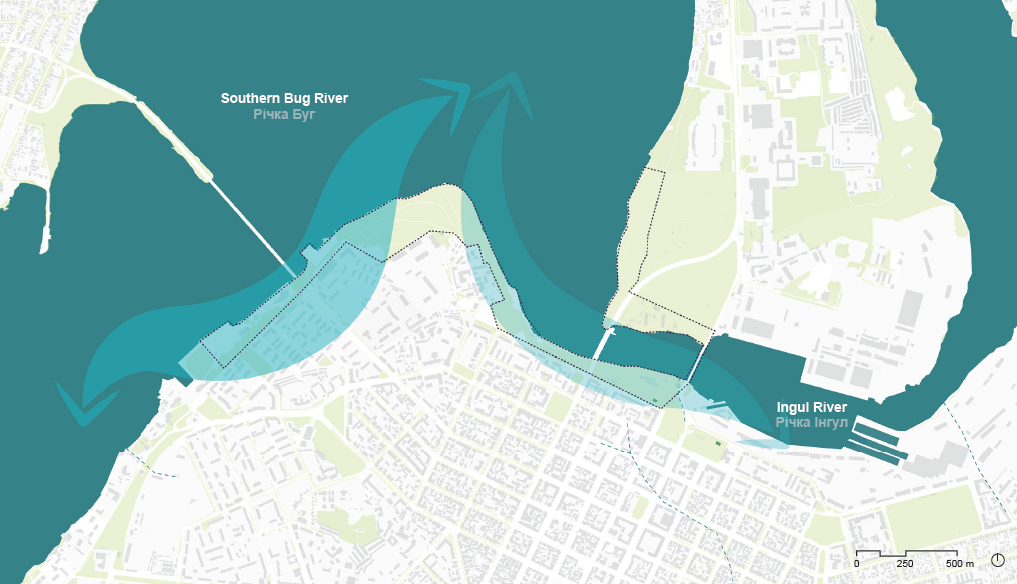
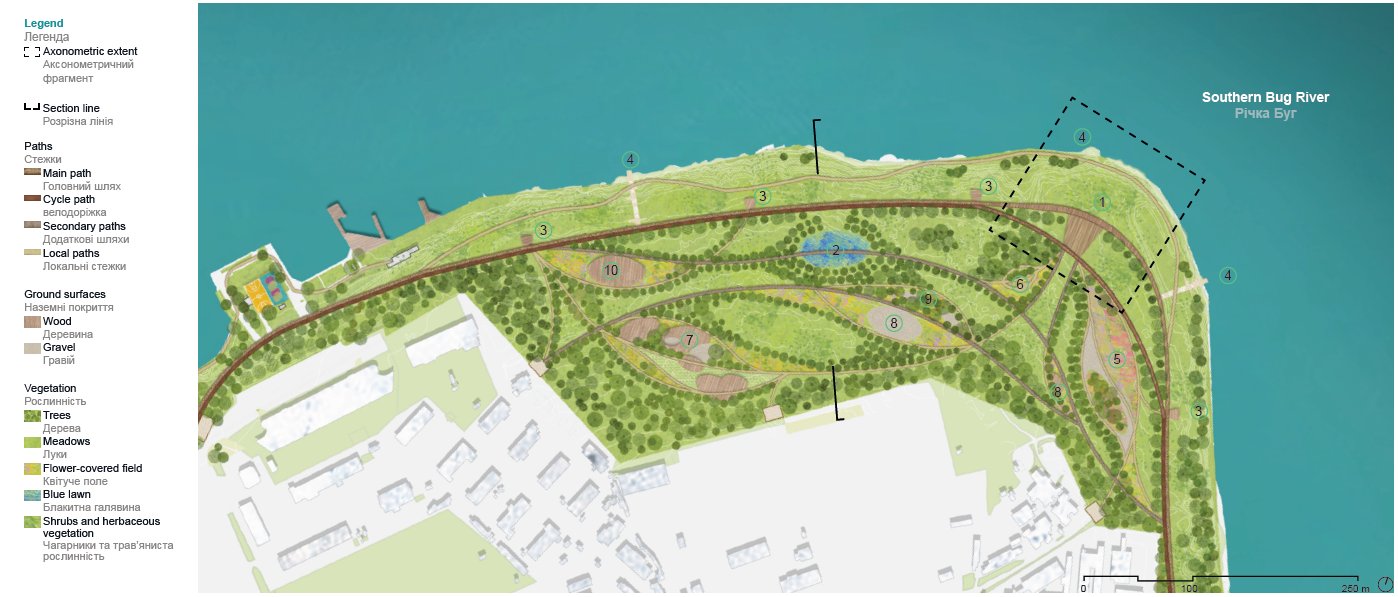
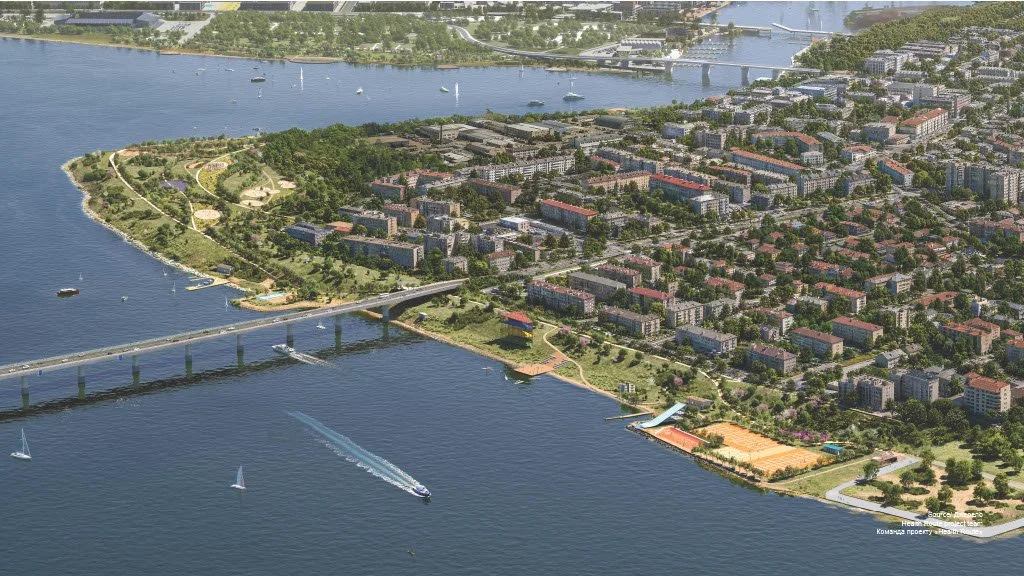
The Health Route pilot aims to restore the relationship between nature, citizens, and rivers by transforming an underused 5-kilometer waterfront into a resilient ecological corridor.
Overall, the focus of the Health Route is to position the riverfront at the core of the Mykolaiv’s urban green-blue system, reinforcing its ecological network, and therefore providing key tangible outcomes such as increased public access to green spaces, improved biodiversity, and opportunities for recreational activities, all of which directly benefit the local community’s well-being.
Ms. Magagnoli’s remarks explored the crucial role of community engagement and local participation in designing the pilot project, ensuring that the priorities of those who will experience these spaces are taken into account. Community engagement became the project’s starting point, including:
Student workshop and site analysis: A two-day workshop was organized with local students, divided into four groups and supported by expert coordinators, combining detailed territorial mapping and site surveys with the development of design strategies based on the findings. These activities enabled young people to contribute local knowledge, observations, and ideas directly to the planning process and influence the design created by the experts working on the Health Route Pilot Project.
Online community survey: The survey was conducted to gather insights from potential future users of the Health Route area to identify the issues, priorities, and aspirations that should be taken into account in the design of the area so that Mykolaiv’s inhabitants could contribute to the future development of their city. The survey, which collected 467 responses, was structured into four macro-categories: A. Profiling questions; B. City-wide questions; C. Health Route-specific questions; and D. Benchmark questions.
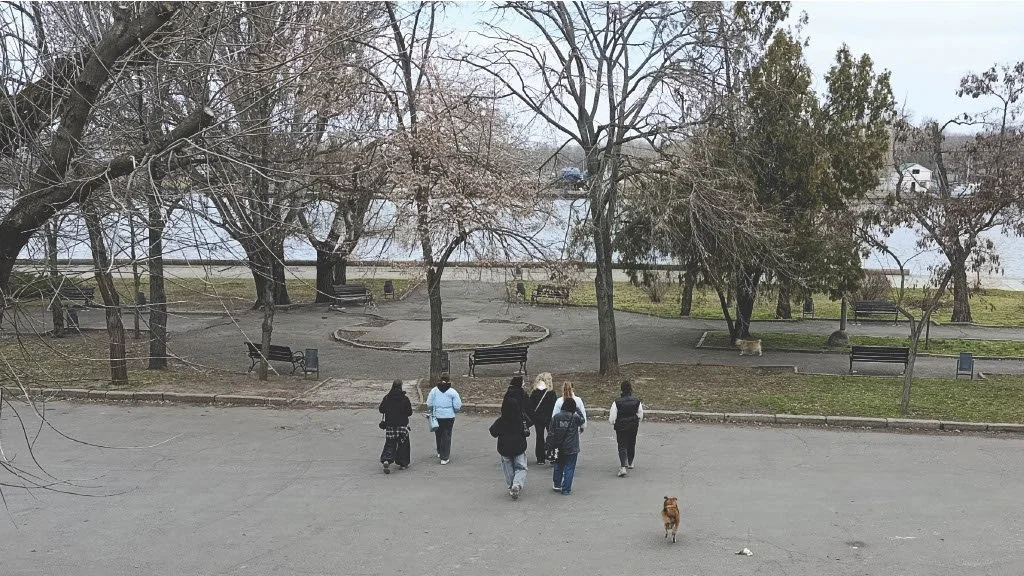
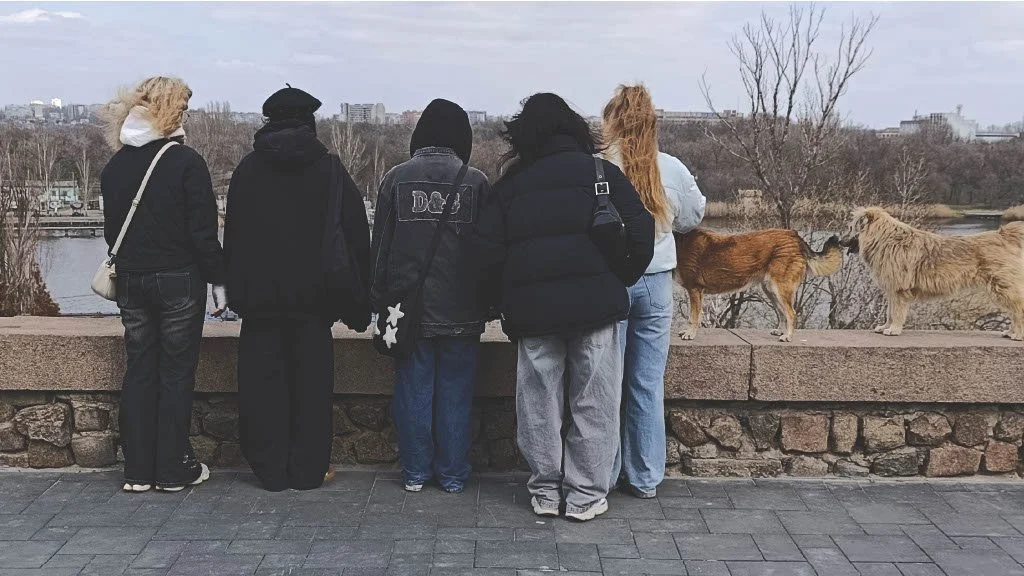

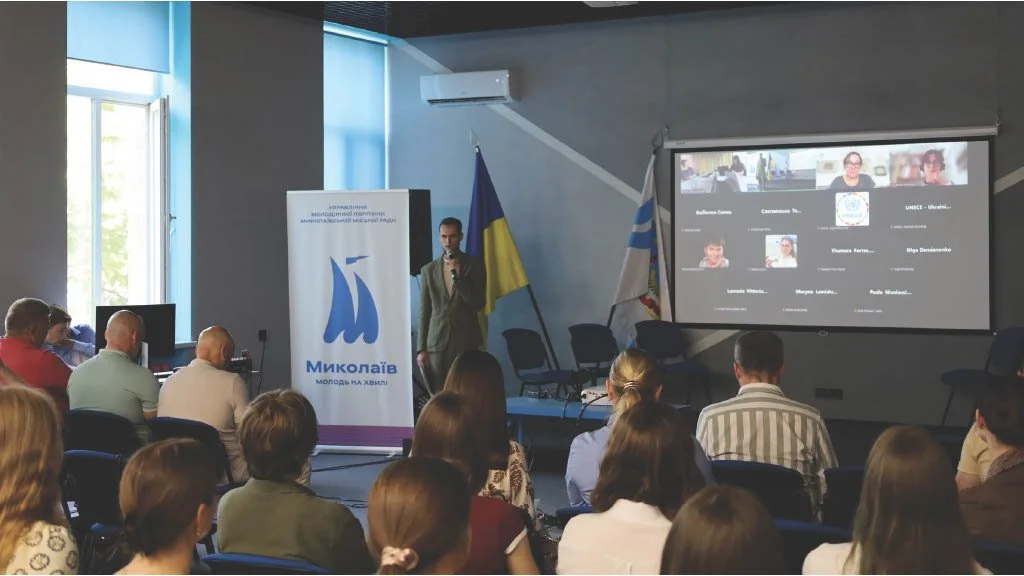
Students’ workshop and site analysis activities © Mykolaiv City CouncilNature in Cities: Explained
Explained is a series introducing key concepts for urban planning, recovery, and reconstruction through the lens of the #UN4UkrainianCities initiative.
The Nature in Cities: Explained episode explored the idea of cities as living ecosystems, challenging the common perception of urban areas as places dominated by concrete, crowds, and traffic. Indeed, while we often associate cities with artificial elements, nature should be seen as a core element of urban planning and development.
When referring to “nature” in the urban context, the term refers to a range of approaches, including:
Nature-Based Solutions (NbS): measures inspired and supported by nature, which provide environmental, social, and economic benefits by integrating natural features and processes into cities. As defined at the 5th United Nations Environment Assembly (UNEA 5.2), these are “actions aimed at protecting, conserving, restoring, and sustainably managing natural or modified terrestrial, freshwater, coastal, and marine ecosystems, which address social, economic and environmental challenges effectively and adaptively, while simultaneously providing human well-being, ecosystem services, resilience and biodiversity benefits”.
Green infrastructure: a network of green and blue spaces aimed at supporting biodiversity and ecosystem services, including climate adaptation, water management, air-quality improvement, and benefits to human well-being.
Bringing green infrastructure into our cities provides invaluable benefits, both social and environmental, including improved well-being, cooling effects against urban heat islands, and reduced flood risks. The benefits of such measures are internationally recognized, as highlighted by the United Nations Agencies, Funds and Programmes. This recognition culminates in SDG 11 Target 7, which highlights the importance of access to green public spaces in cities.
“By 2030, provide universal access to safe, inclusive, and accessible green and public spaces, in particular for women and children, older persons, and persons with disabilities.”
The Health Route pilot project demonstrates how these benefits can be brought together within a connected green corridor, transforming the waterfront into a multifunctional landscape that supports both people and nature. The landscape strategy explicitly aims to promote biodiversity, improve air quality, and mitigate the urban heat island effect. Moreover, it pays particular attention to managing flood risk in vulnerable zones along the Southern Bug and Ingul rivers through the renaturalization and consolidation of riverbanks through nature-oriented engineering and the introduction of Sustainable Urban Drainage Systems (SUDS) in planning strategies.
Health Route © OneWorks FoundationTo achieve this vision, the Health Route Pilot Project aims at creating green connectivity through:
an integrated network of ecological corridors and public spaces;
different routes that support diverse forms of mobility, recreation, and everyday use.
areas for social, cultural, and environmental activities;
measures to enhance climate resilience and environmental quality through increased biodiversity and sustainable landscape strategies.
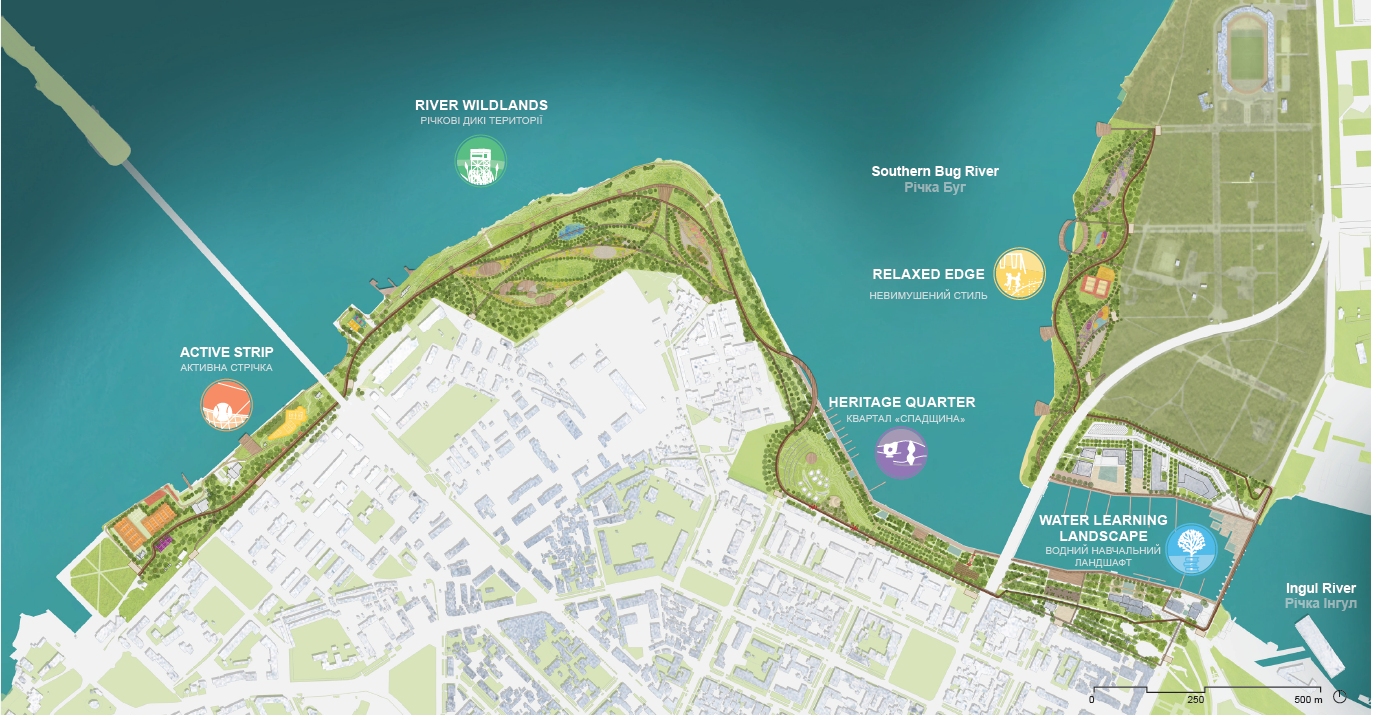
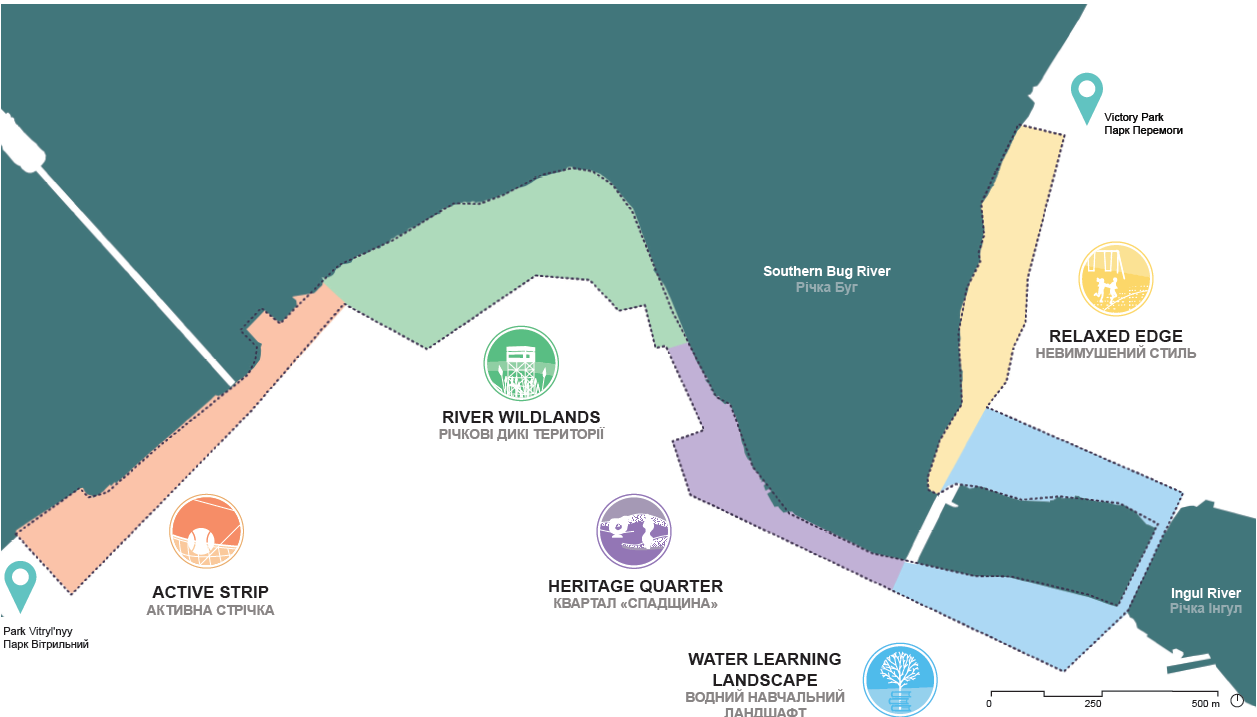
The episode also presented the Health Route as an example of how nature-based solutions can support urban recovery, drawing on insights from Beatrice Magagnoli. This goal is translated into a strategic framework using five complementary thematic areas, each responding to specific characters, purposes, and opportunities.
The division into thematic areas was developed through a combination of site analysis, the existing urban and landscape structure, surrounding functions and destinations, ecological conditions, and community needs and aspirations, recognizing the distinct identities and potentials of the different sections of the site:
Active Strip (sports): promoting active lifestyles and continuous slow mobility connections;
River Wildlands (nature): reinforcing biodiversity and the restoration of the city’s natural systems;
Heritage Quarter (culture): strengthening the city’s identity and heritage;
Water Learning Landscape (education): creating opportunities for environmental awareness, learning, and community participation;
Relaxed Edge (leisure): providing accessible spaces for recreation, relaxation, and social interaction.
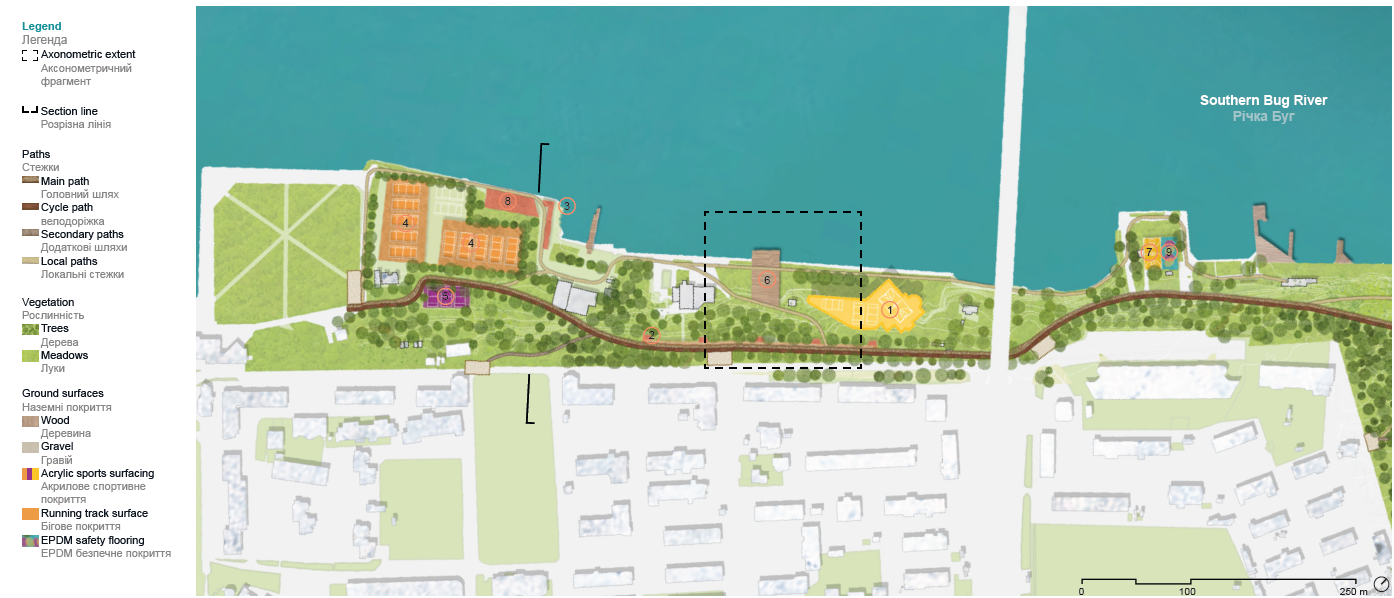
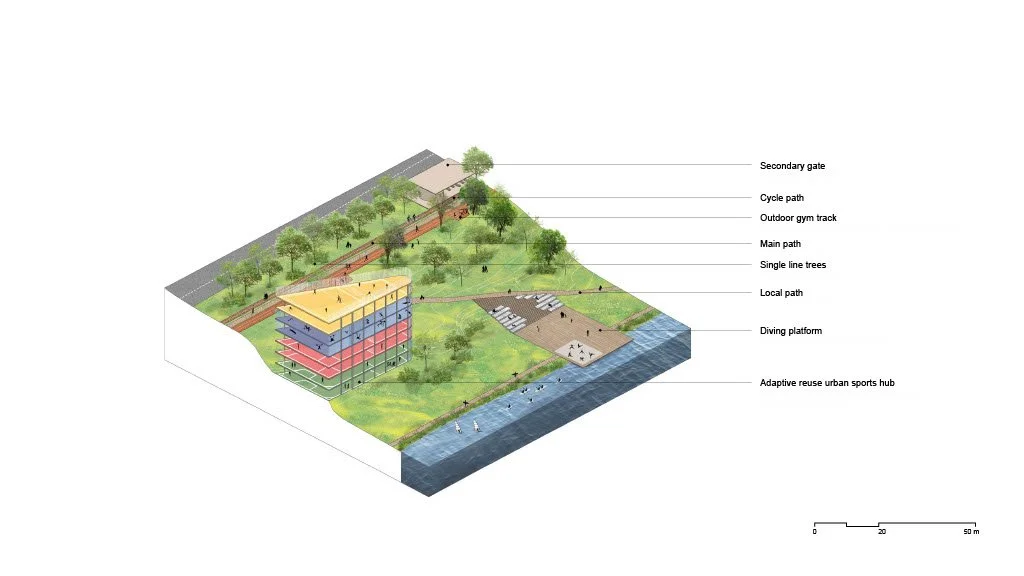
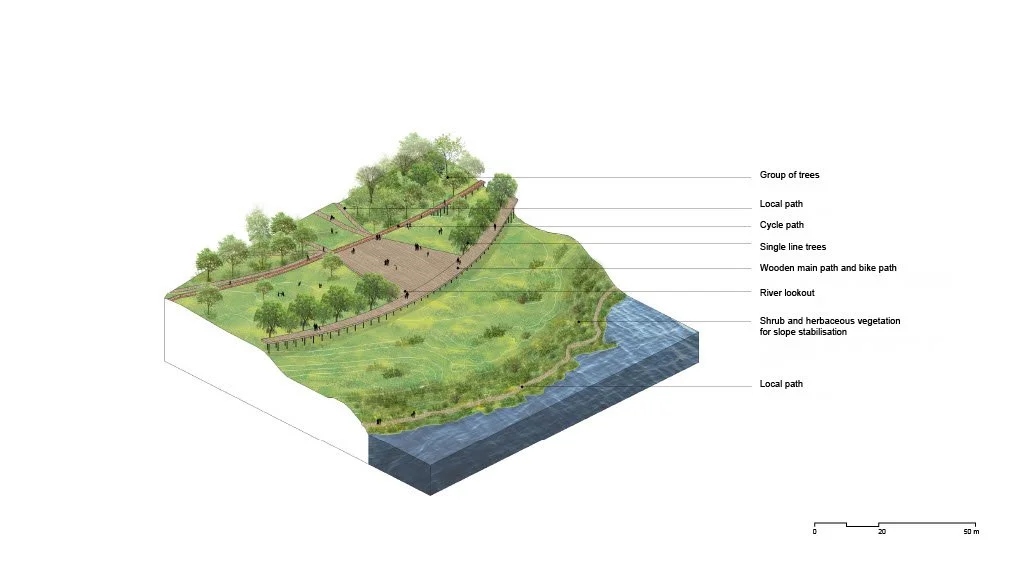
Let’s have a closer look at the Active Strip and the River Wildlands, two areas that illustrate the diversity of conditions along the Health Route and how the design responds to different uses and community needs. The Active Strip builds on the way people already experience the route: survey results show that residents see it as a place for sports, jogging, and physical activity, while also expressing the need for appropriate infrastructure to support these activities. The proposed design responds by adaptively reusing an existing building as a sports hub and introducing climbing and parkour areas, sports courts, cycling infrastructure, an outdoor gym track, and a trampoline platform, transforming the area into a vibrant destination for urban sports and active recreation. The River Wildlands, meanwhile, embrace the natural character of the landscape, offering generous panoramic spaces for rest and contemplation. Small platforms extend towards the water, while direct access to the river’s edge strengthens the connection between people, the river, and the surrounding natural environment.
Together, these episodes explored the role of Nature in Cities from different perspectives: from data-driven analysis to the first-hand experience of a landscape professional, and broader explanations of core principles. This combination offers a comprehensive understanding of how nature-based approaches and urban green spaces can contribute to sustainable urban recovery and reconstruction, particularly in the unique context of Ukraine.
Stay tuned for more UN4UkrainianCities thematic series!