


“Resilient Cities in Ukraine: Pathways to Sustainable Growth”: Key Outcomes from the UN4UkrainianCities Side Event, at URC 2026
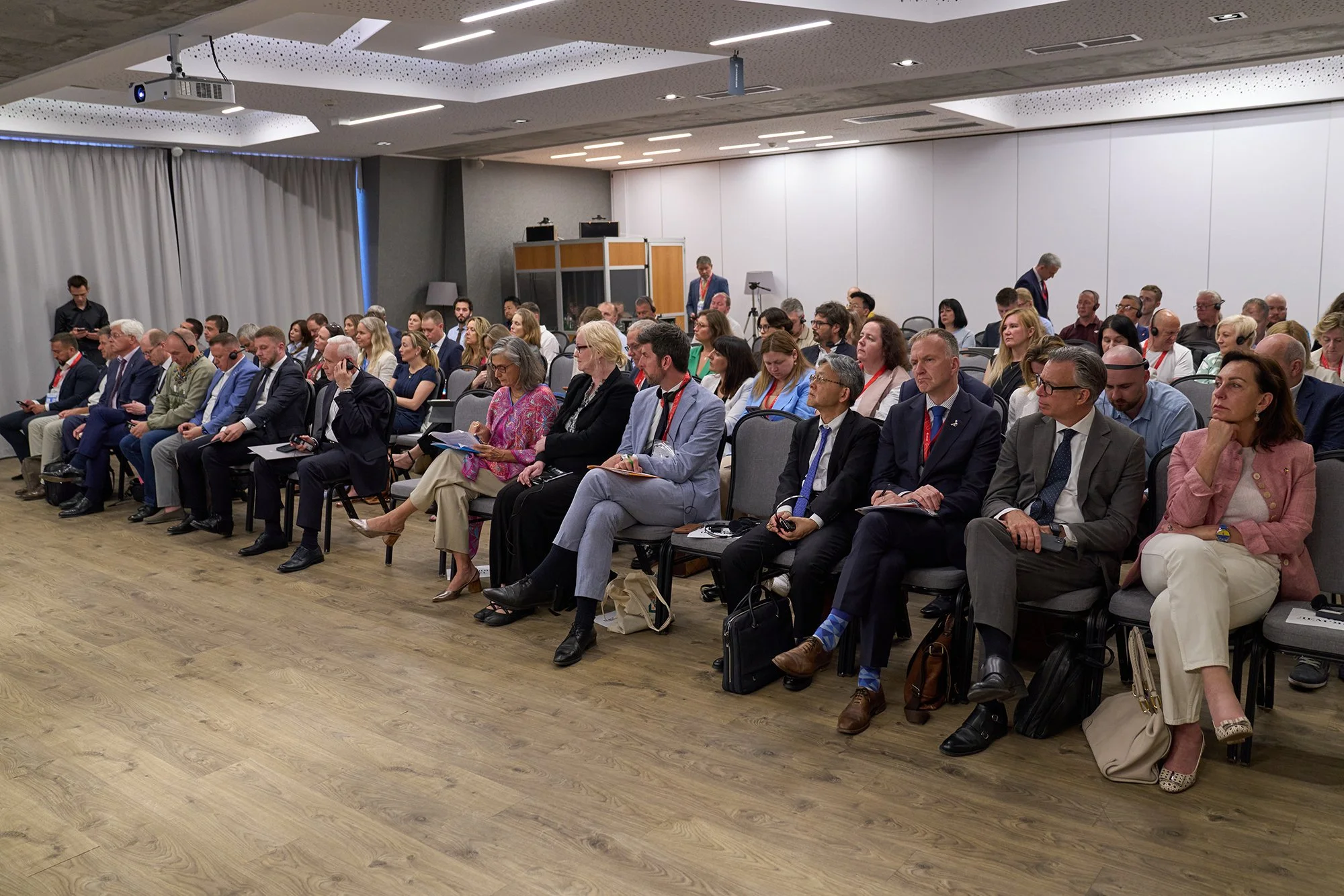
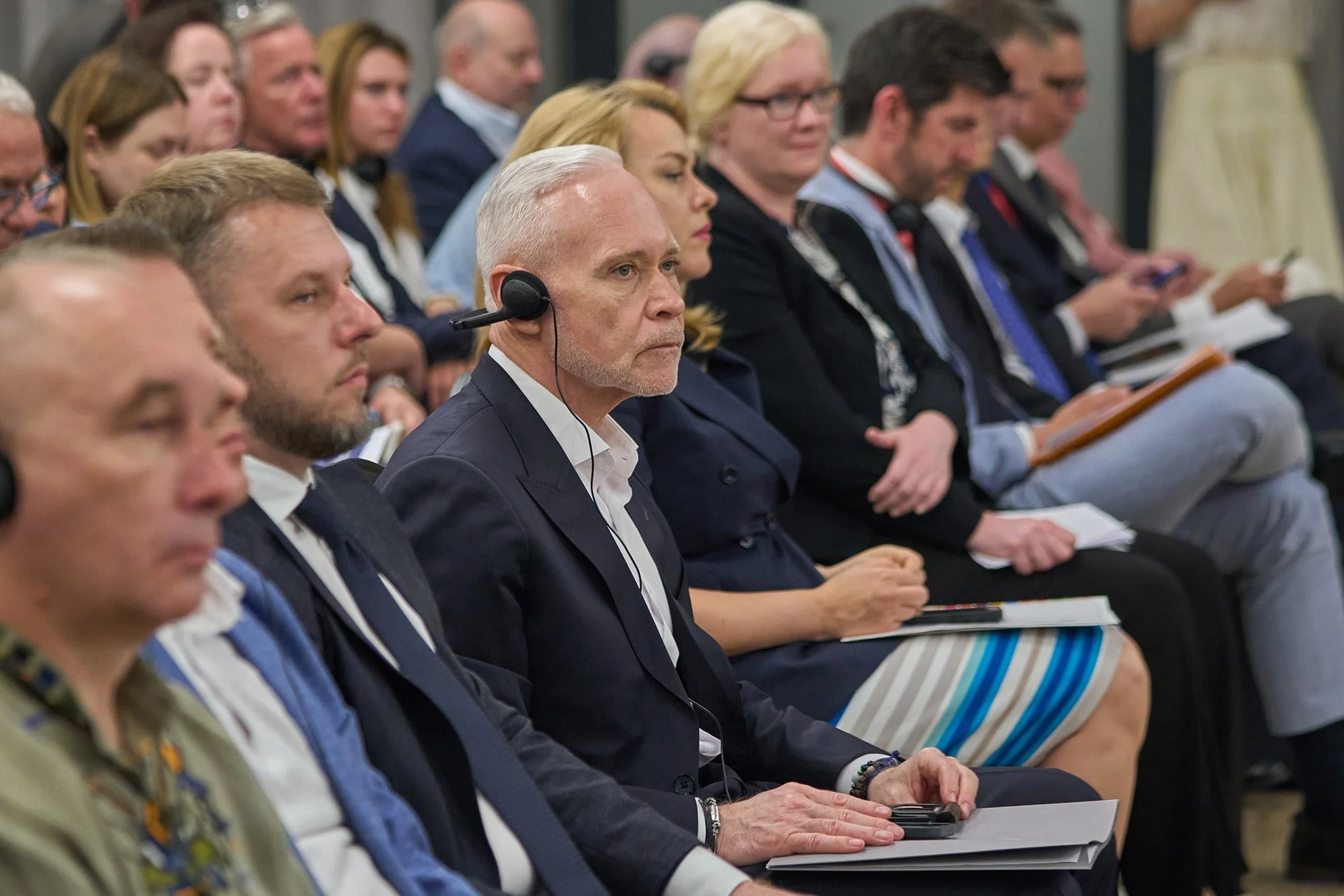
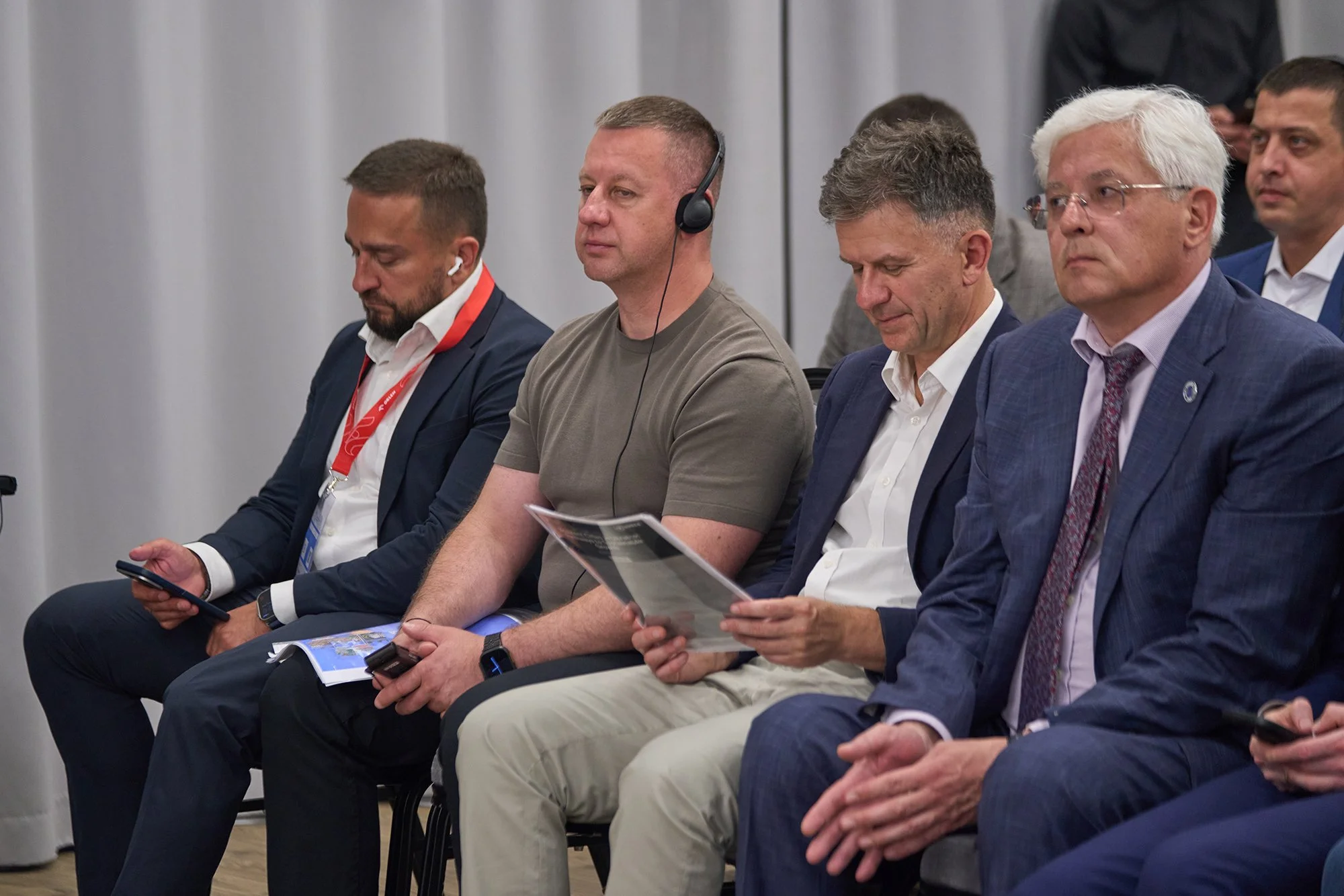
How can Ukrainian cities advance urban recovery by mobilizing financing, fostering partnerships, and adopting long-term development approaches? This was the central question guiding the discussions throughout the UN4UkrainianCities side event "Resilient Cities in Ukraine: Pathways to Sustainable Growth," held on 24 June in the context of the Ukraine Recovery Conference 2026 (URC 2026), which brought together more than 140 participants (44% women) for a dynamic and highly engaging 2.5-hour session.
Hosted in collaboration with Kharkiv City Council and the Association of Frontline Cities and Communities, the event served as a platform to connect Ukrainian frontline cities with international partners, investors and financiers, while supporting municipalities in preparing investment-ready projects capable of attracting financing and accelerating implementation. It also facilitated the exchange of practical experiences and lessons learned among international experts, UN partners, financial institutions, and mayors and local authorities at the forefront of Ukraine's recovery efforts.
This rationale stems from the understanding that, despite unprecedented operational challenges, Ukrainian frontline cities are committed to planning for their recovery and reconstruction: supporting these efforts today is critically important to ensure the continuity of essential services and protect communities.

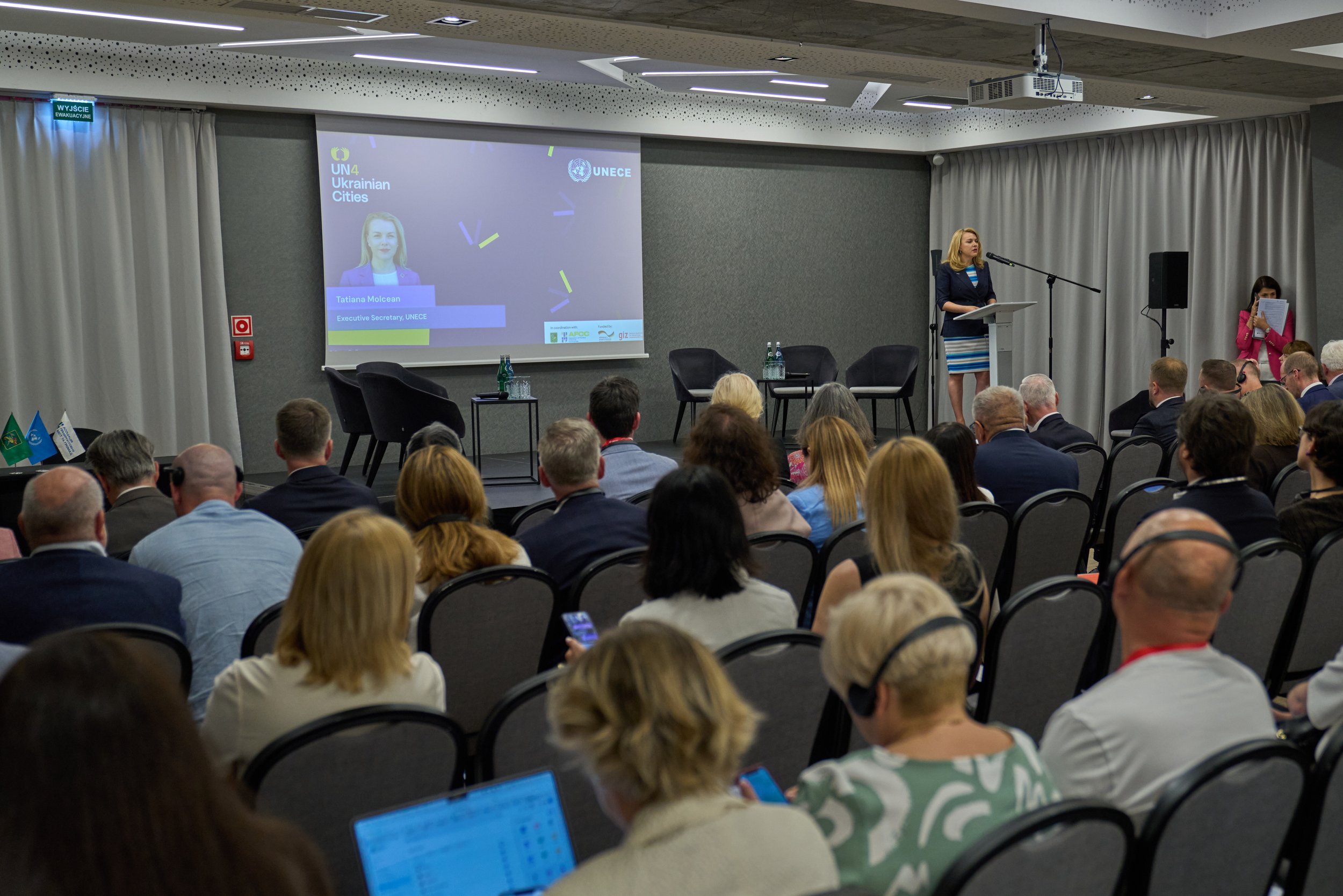

The Role of the International Community in Supporting Ukraine’s Recovery and Reconstruction
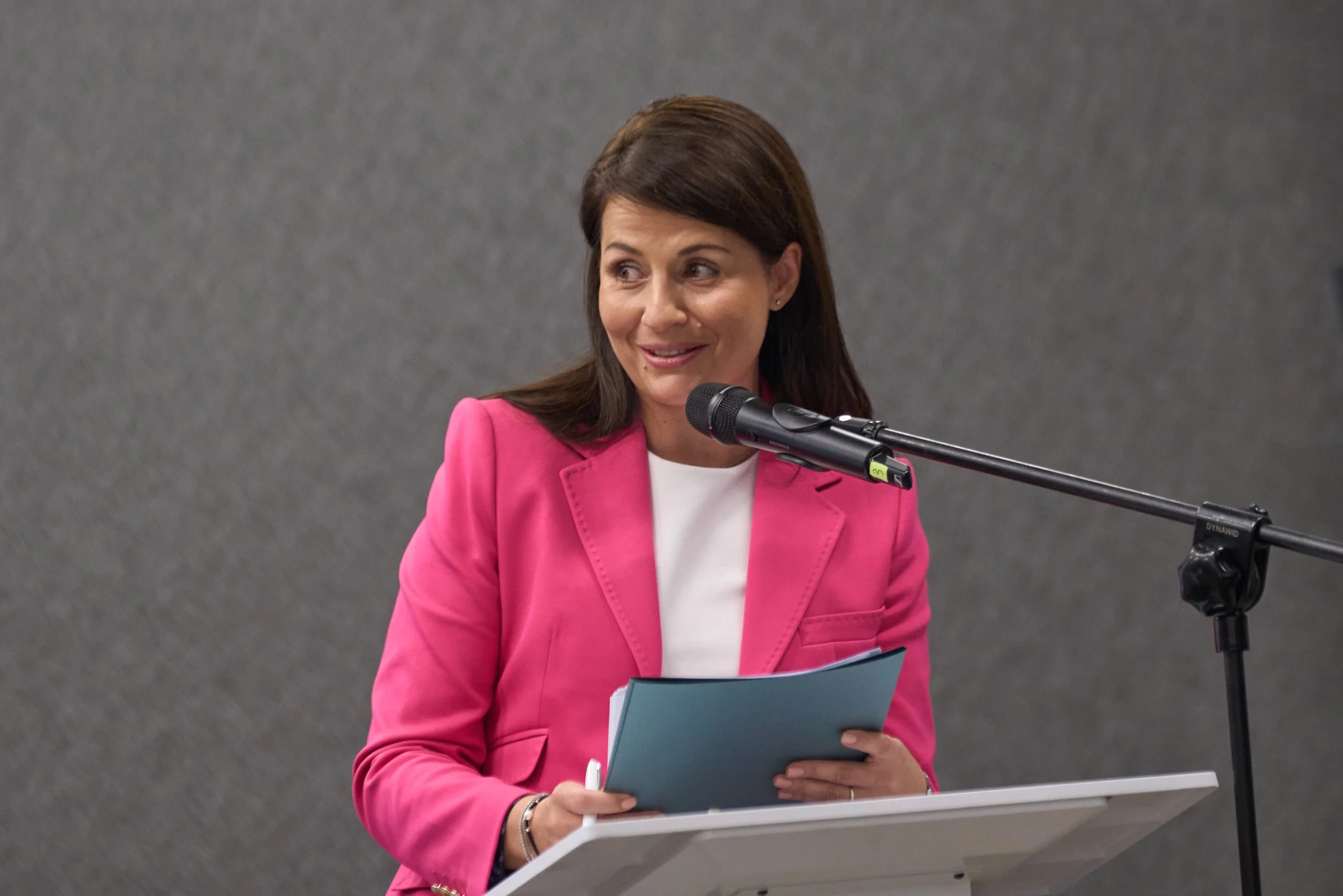
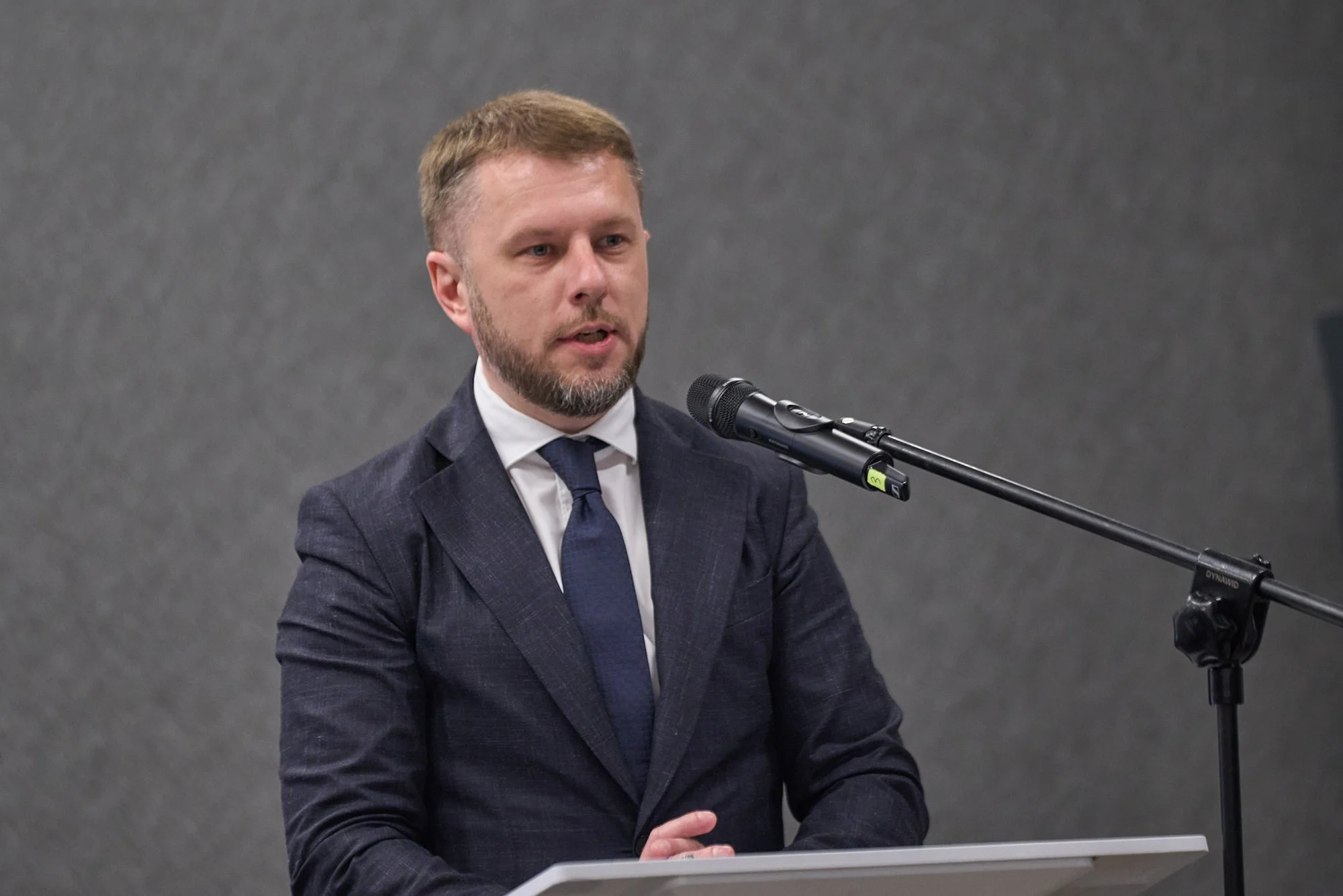
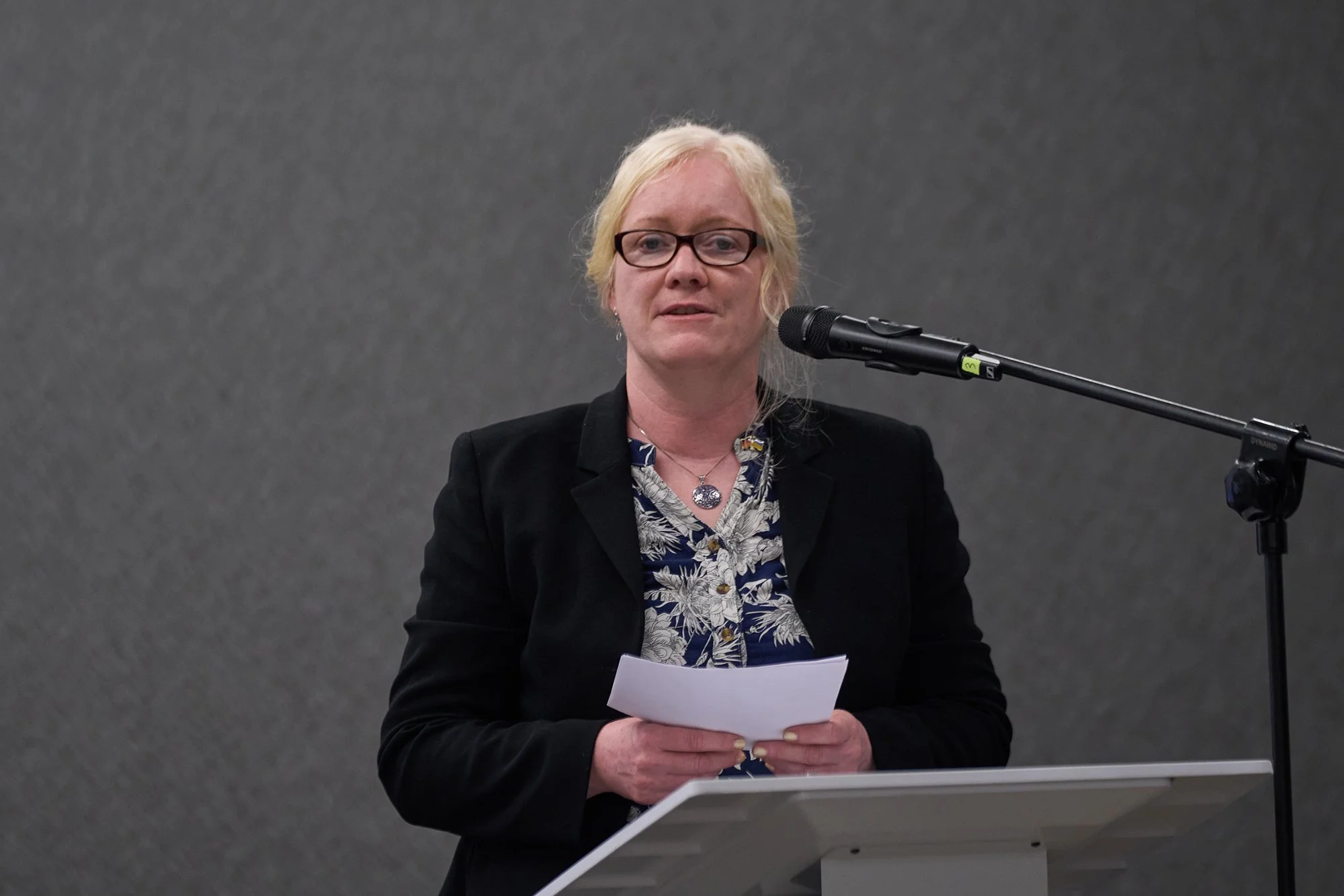
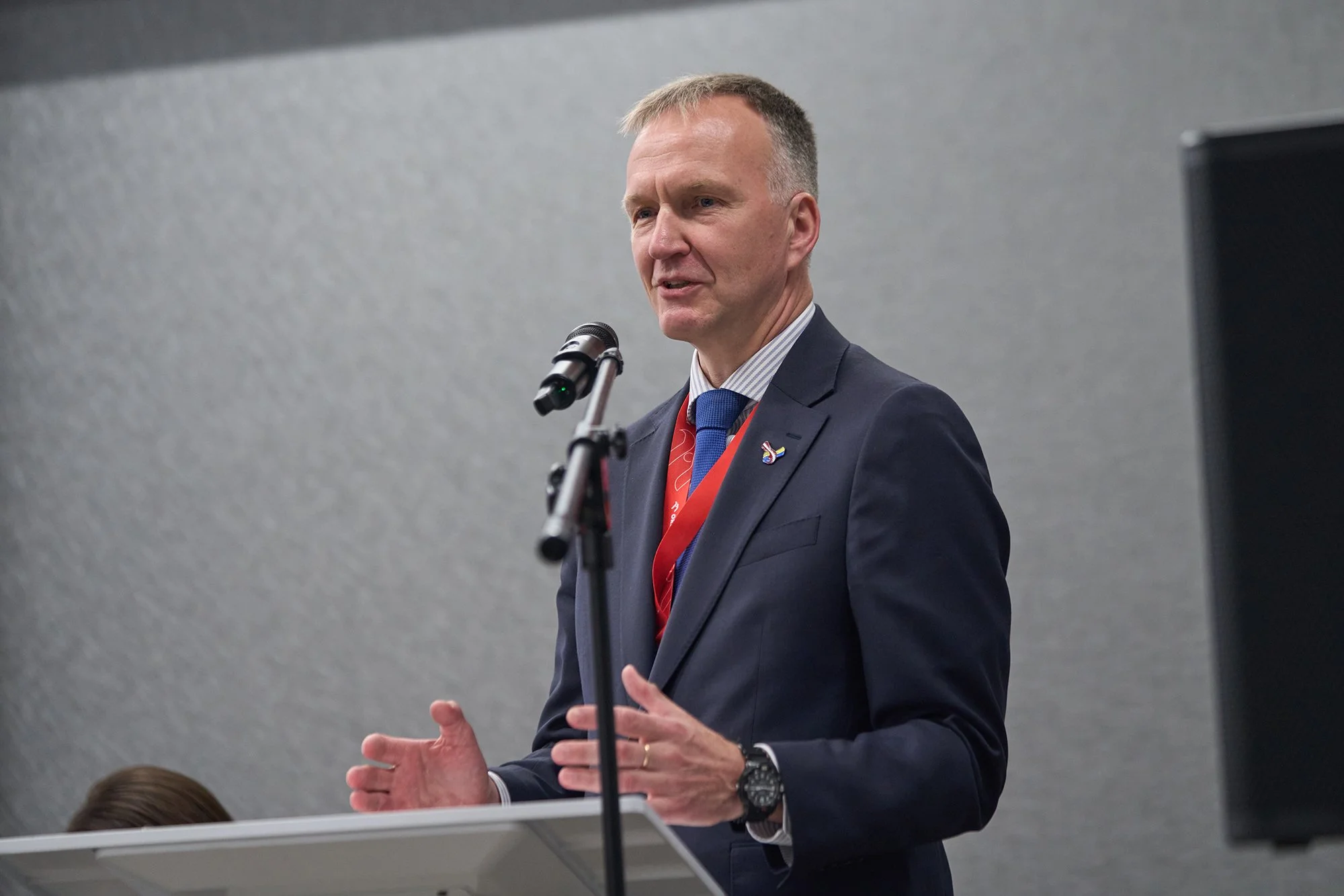
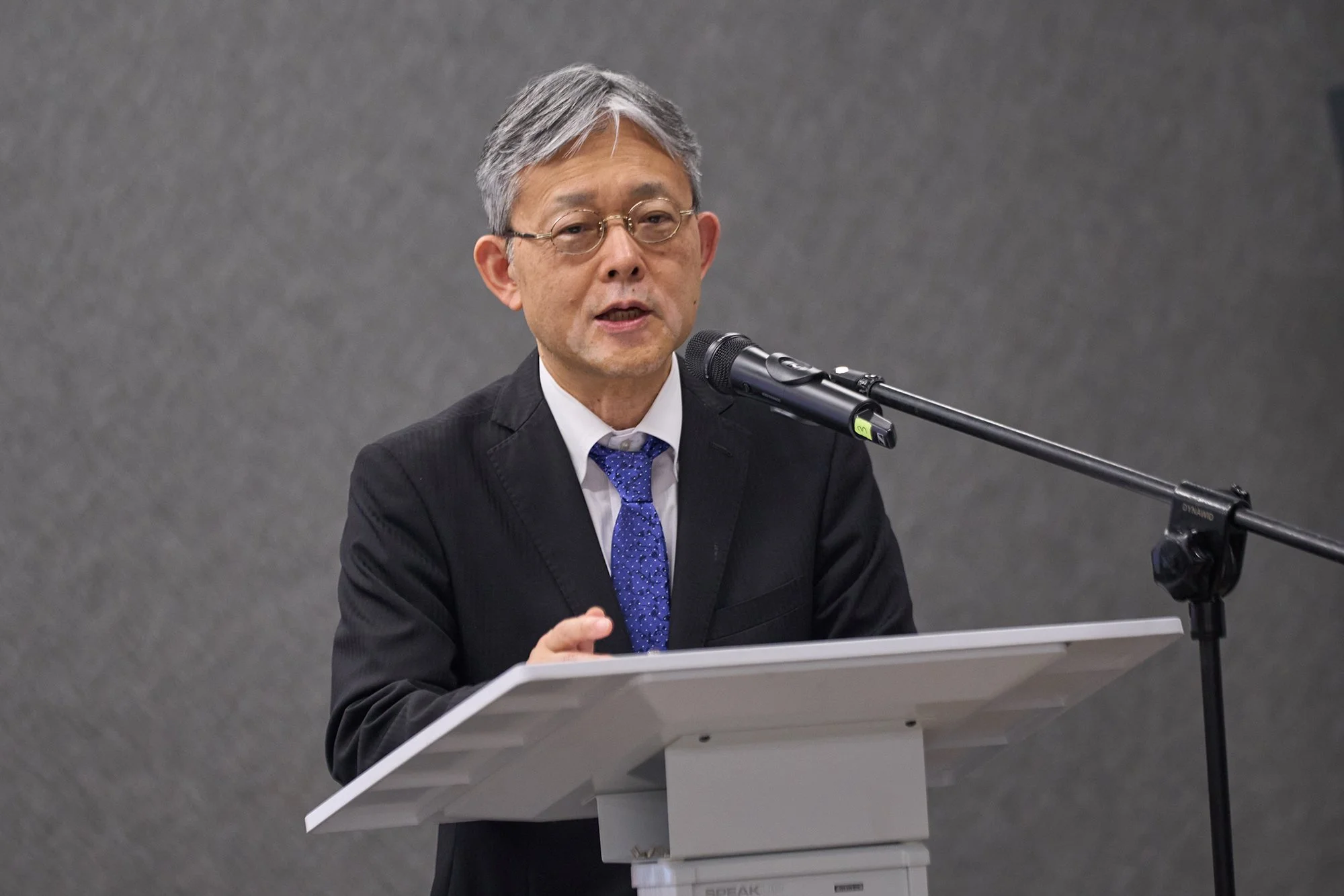
The event opened with remarks from distinguished international diplomats, policymakers, and national and local leaders, who addressed the central themes of urban resilience and reconstruction. Speakers emphasized that Ukraine should be recognized not merely as a recipient of international assistance, but as an equal partner in international cooperation and investment, one that brings unique expertise in rebuilding under extreme conditions and valuable lessons that can inform recovery efforts in other crisis-affected contexts.
Participants outlined immediate priorities drawing directly from their experience, highlighting the importance of modern digital tools, crisis management, and fast-response systems to support recovery. The topic of energy emerged as a key focus, ranging from strengthening energy systems through localized hubs and to establishing cogeneration plants powered by renewable energy, especially in view of colder seasons. While covering different aspects of the crisis, the speakers converged on one undeniable reality: the absolute urgency of the case of Ukraine, as underscored by Anaclaudia Rossbach (Executive Director, UN-Habitat) who defined Ukraine’s recovery as one of the most significant urban recovery efforts of our time, one where the conflict has reshaped urban systems, including housing, energy, water, transport, and municipal infrastructure.
Finally, a key takeaway from the welcoming remarks was the central importance of enabling people to stay in and return to Ukraine. In this context, Antje Kästner (Senior Policy Officer, Ukraine at the German Federal Ministry for Economic Cooperation and Development – BMZ) emphasized the role of adequate housing as a foundational condition for recovery, noting that ongoing housing reform and the EU accession process represent an opportunity for systemic change, a process that the UN4UkrainianCities Initiative has actively supported. Complementing this perspective, Irina Paliashvili (President & CEO, U.S.–Ukraine Business Council) highlighted the role of the private sector in supporting return and reconstruction, stressing that entrepreneurs coming back to Ukraine are essential to reactivate local economies and attract further investment.
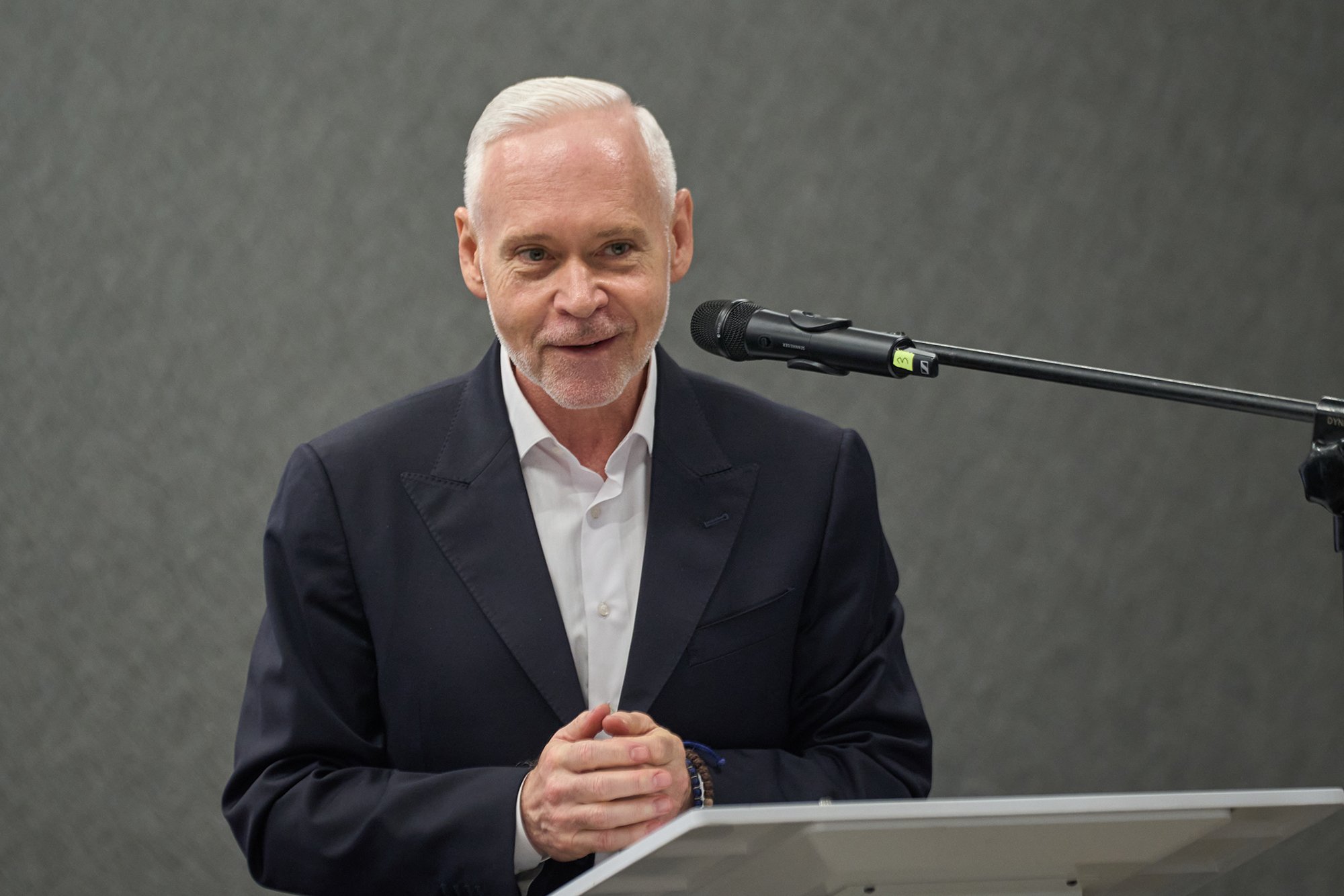
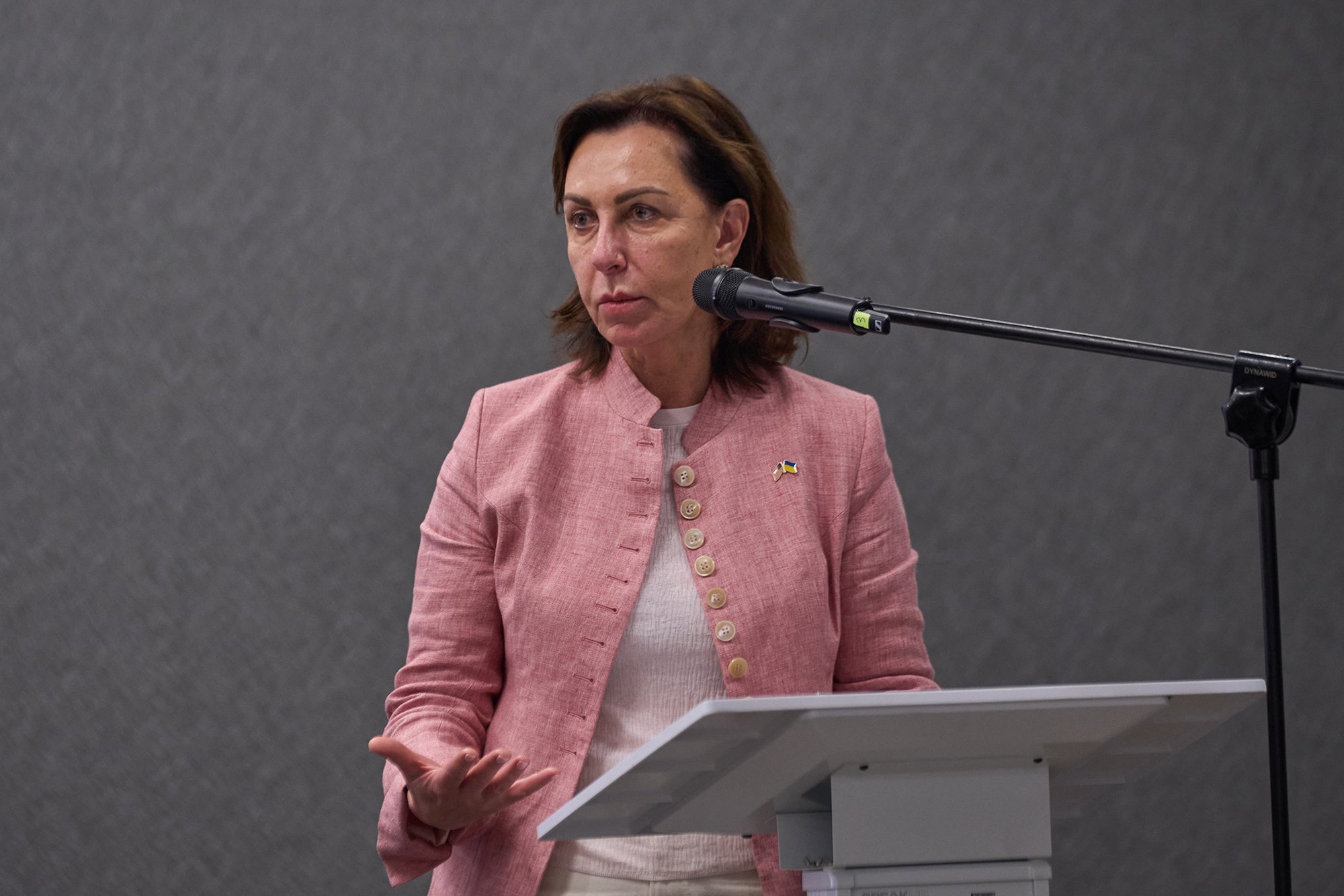
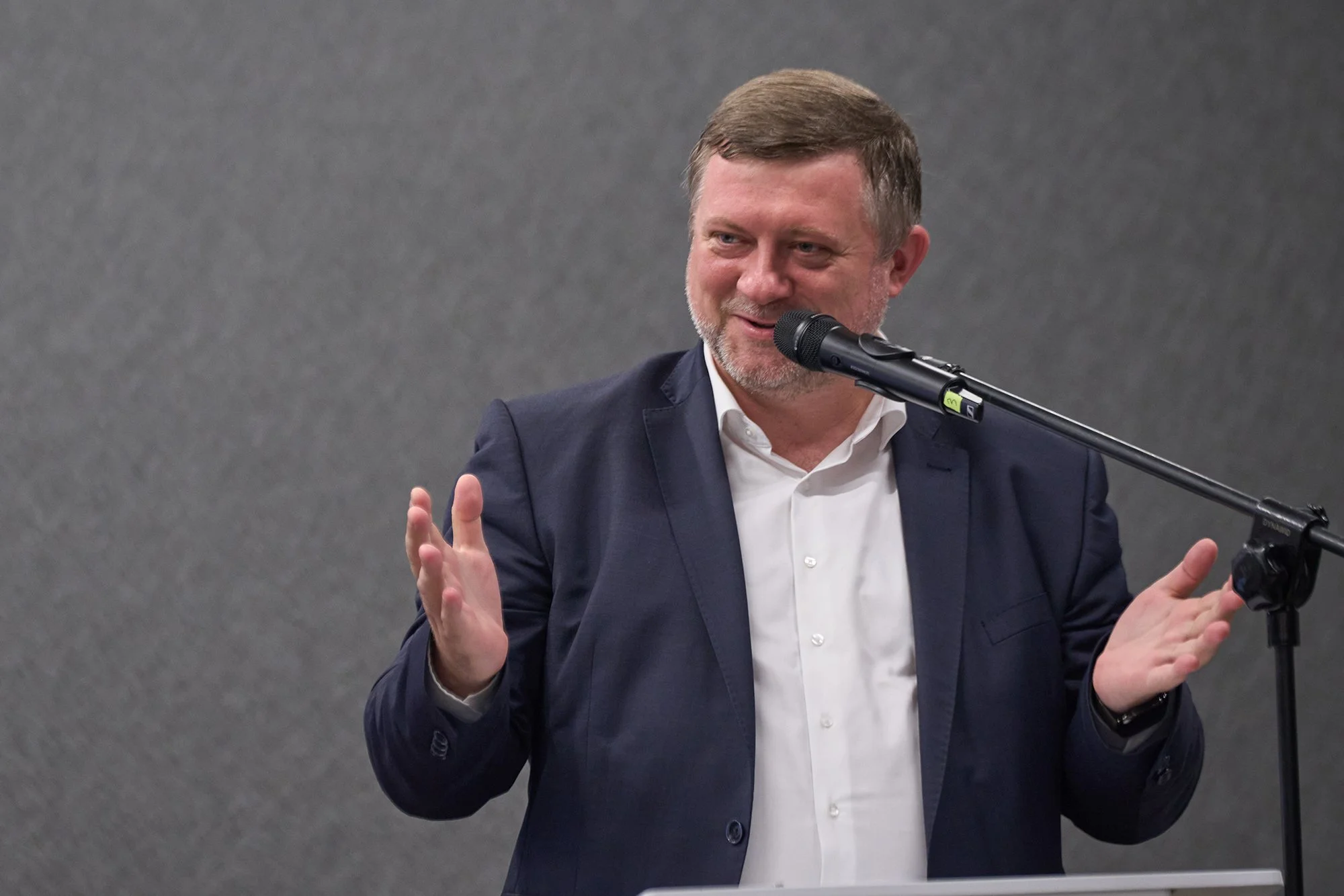
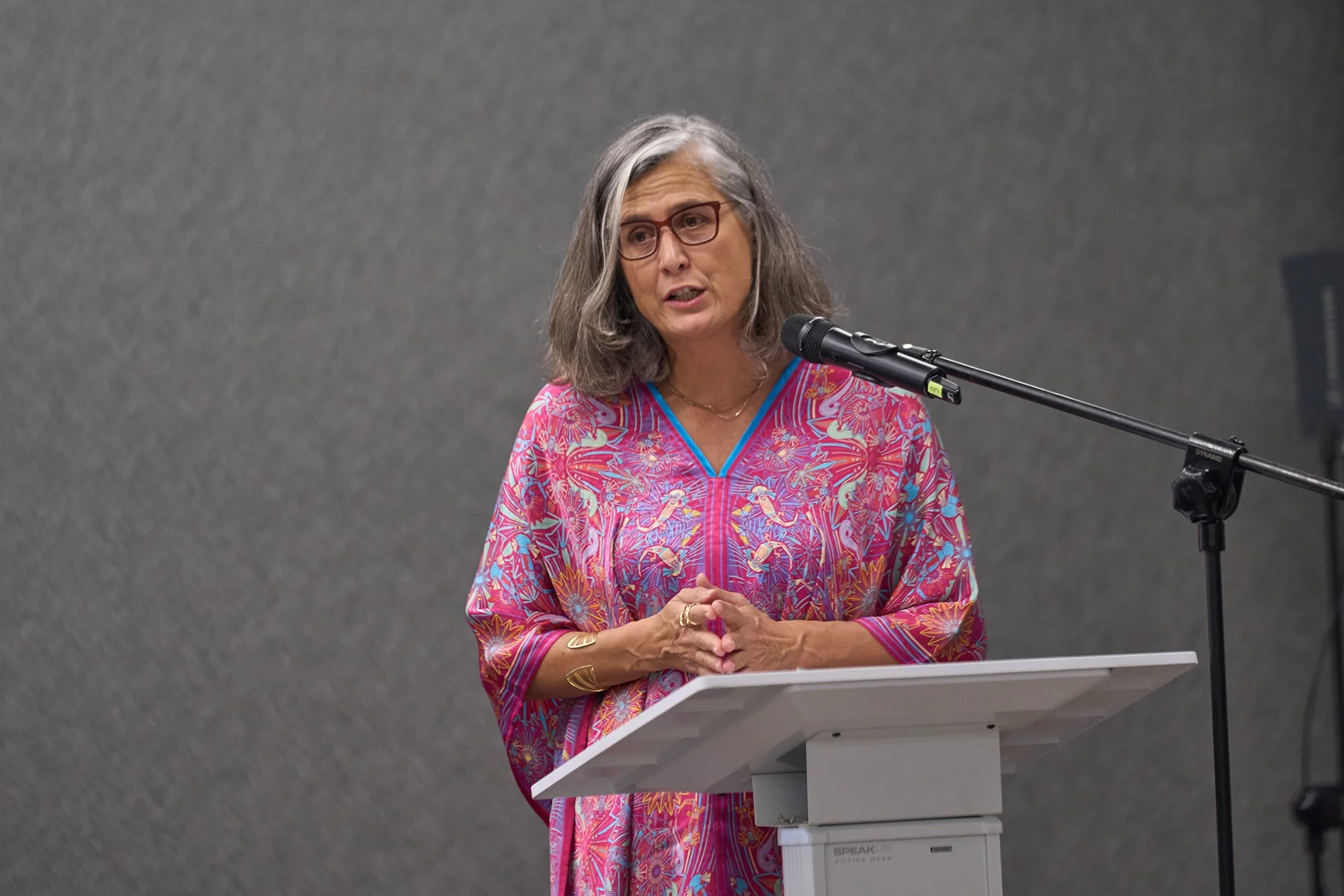
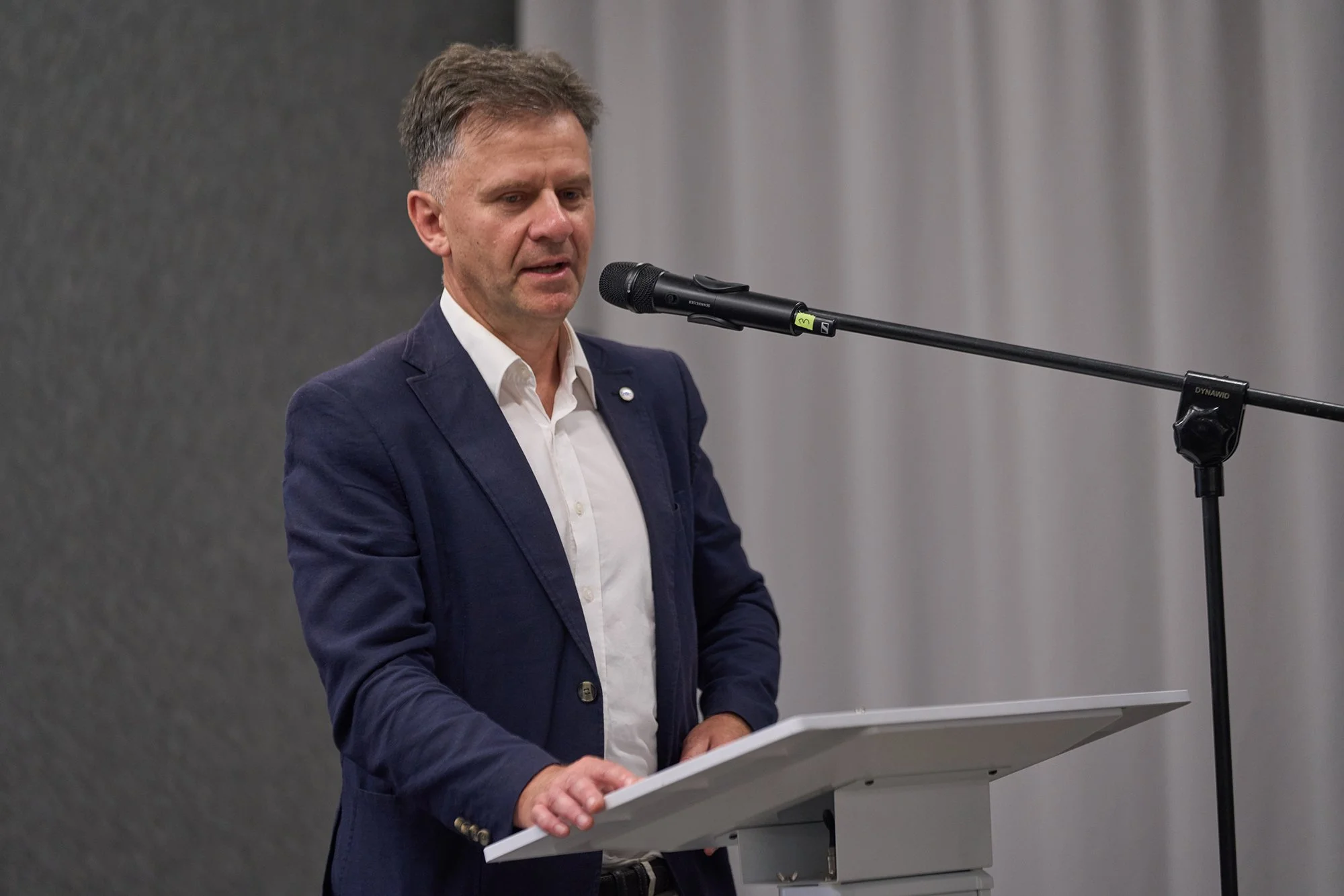
Moving forward, the first panel focused on the activities of the UN4UkrainianCities project, demonstrating how reconstruction plans are being translated into concrete initiatives.
Speakers from the project and its’ partners underscored the Initiative’s core components, including:
Strengthening the national housing legislative framework, through the State Housing Policy Strategy and the draft Law “On Social Housing”;
Capacity building activities to scale expertise through webinars and study tours focusing on cross-cutting and essential issues, involving national and local authorities, academia, NGOs, civil society, international organizations, and technical experts;
Pilot projects at the city-level: including the Mykolaiv Health Route, led by OneWorks Foundation to revitalize a 5 km shoreline and improve green public spaces, accessibility and climate; and the housing pilot project in Kharkiv, in collaboration with O.M. Beketov National University of Urban Economy, turning concepts into technical procurement-ready documents, proposing a comprehensive neighborhood design with housing blocks, a dual-use underground parking/shelter, a kindergarten with integrated shelter capacity, and surrounding public spaces.
Overall, the discussion emphasized how these approaches aim to move from vision to execution, providing an example of how frontline cities can develop complex, investment-ready projects and strengthen their capacity to attract financing and implement long-term recovery solutions.
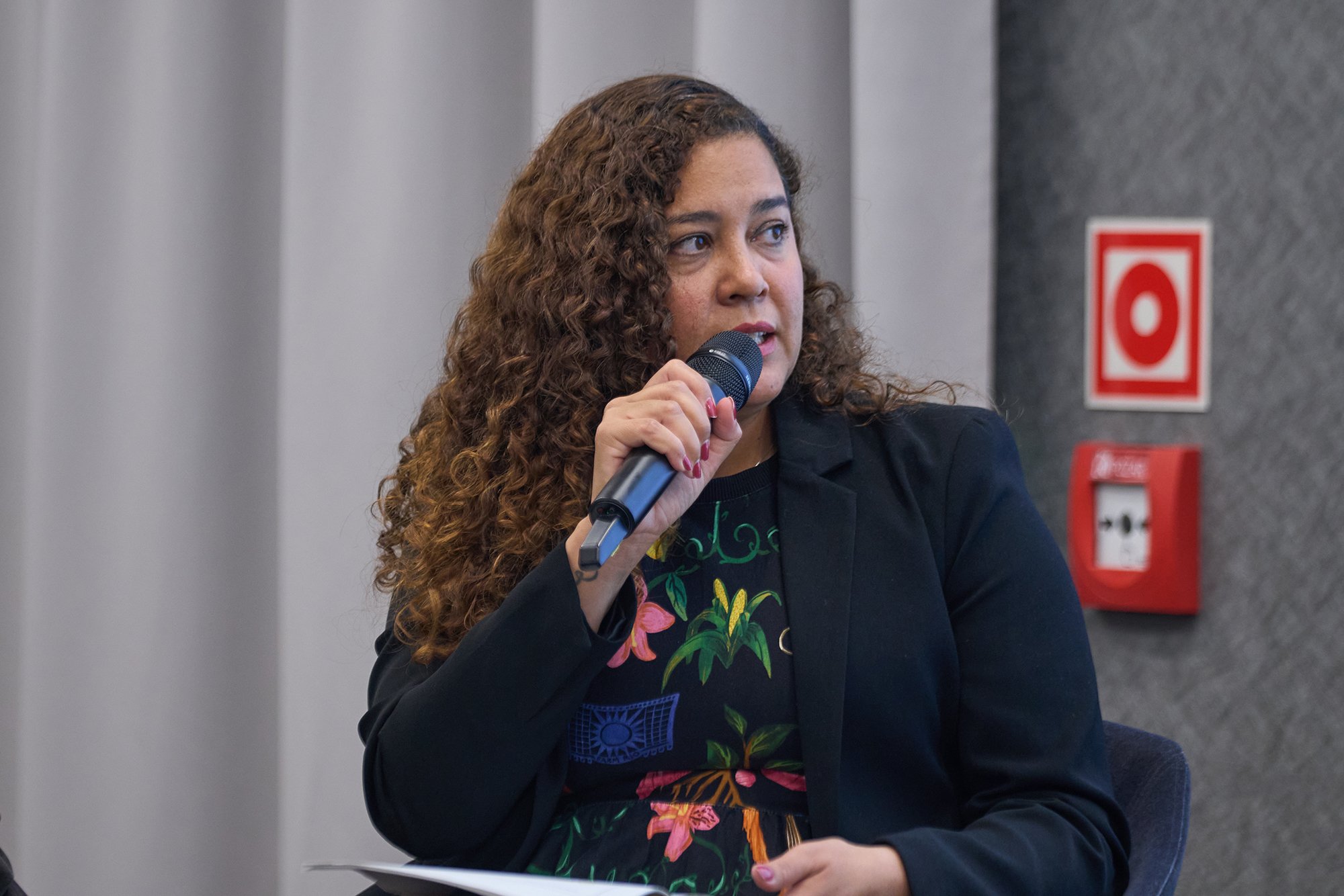
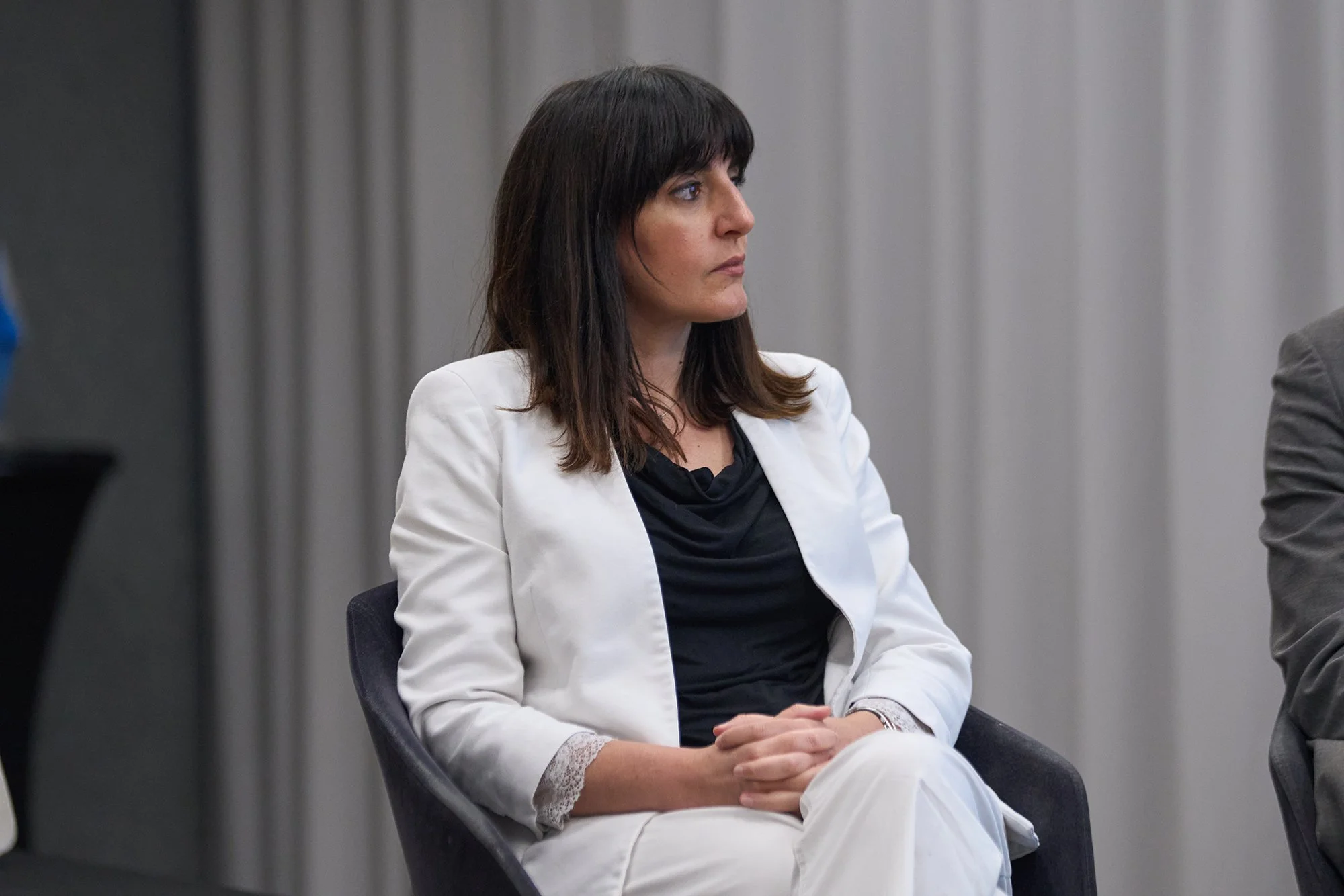
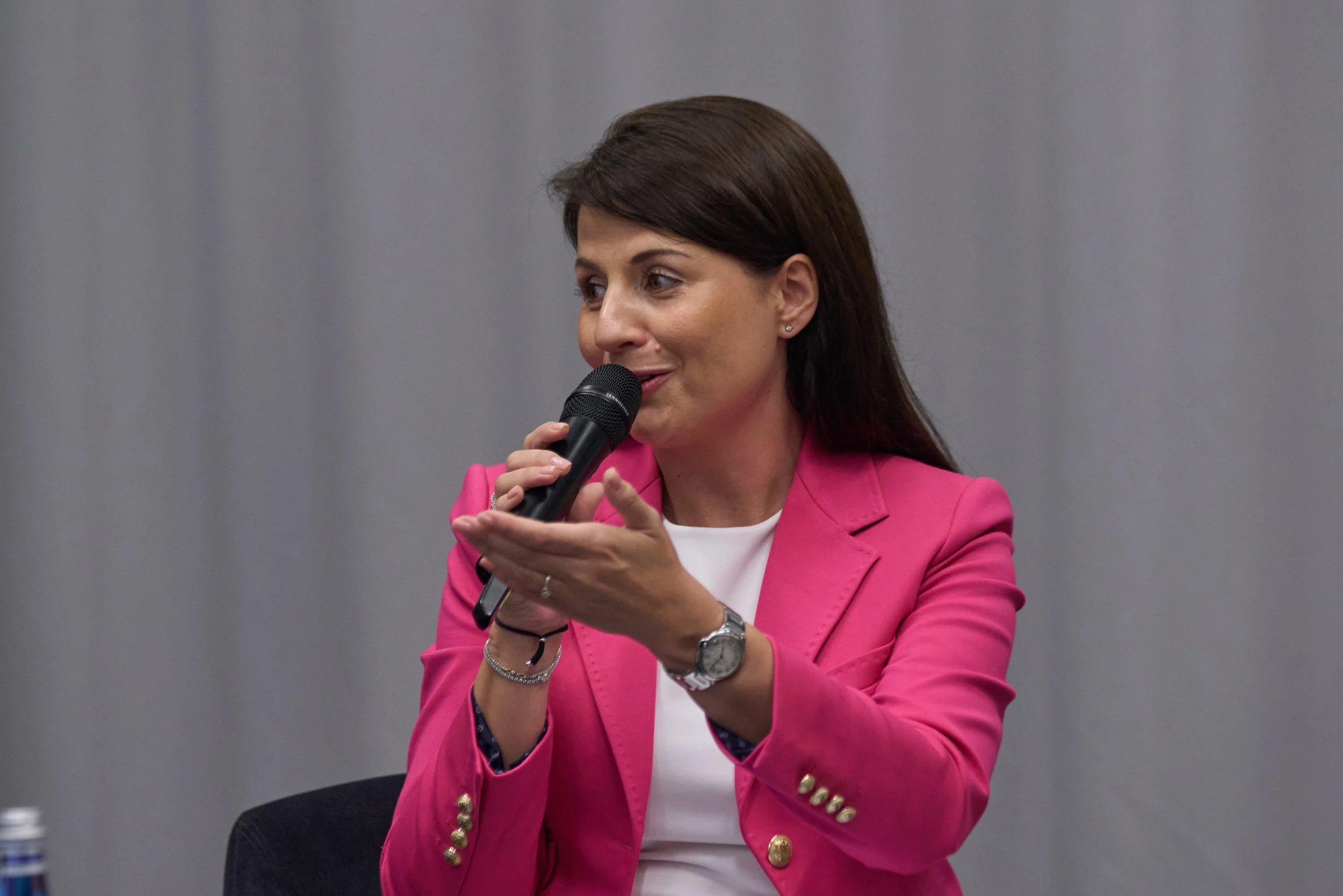
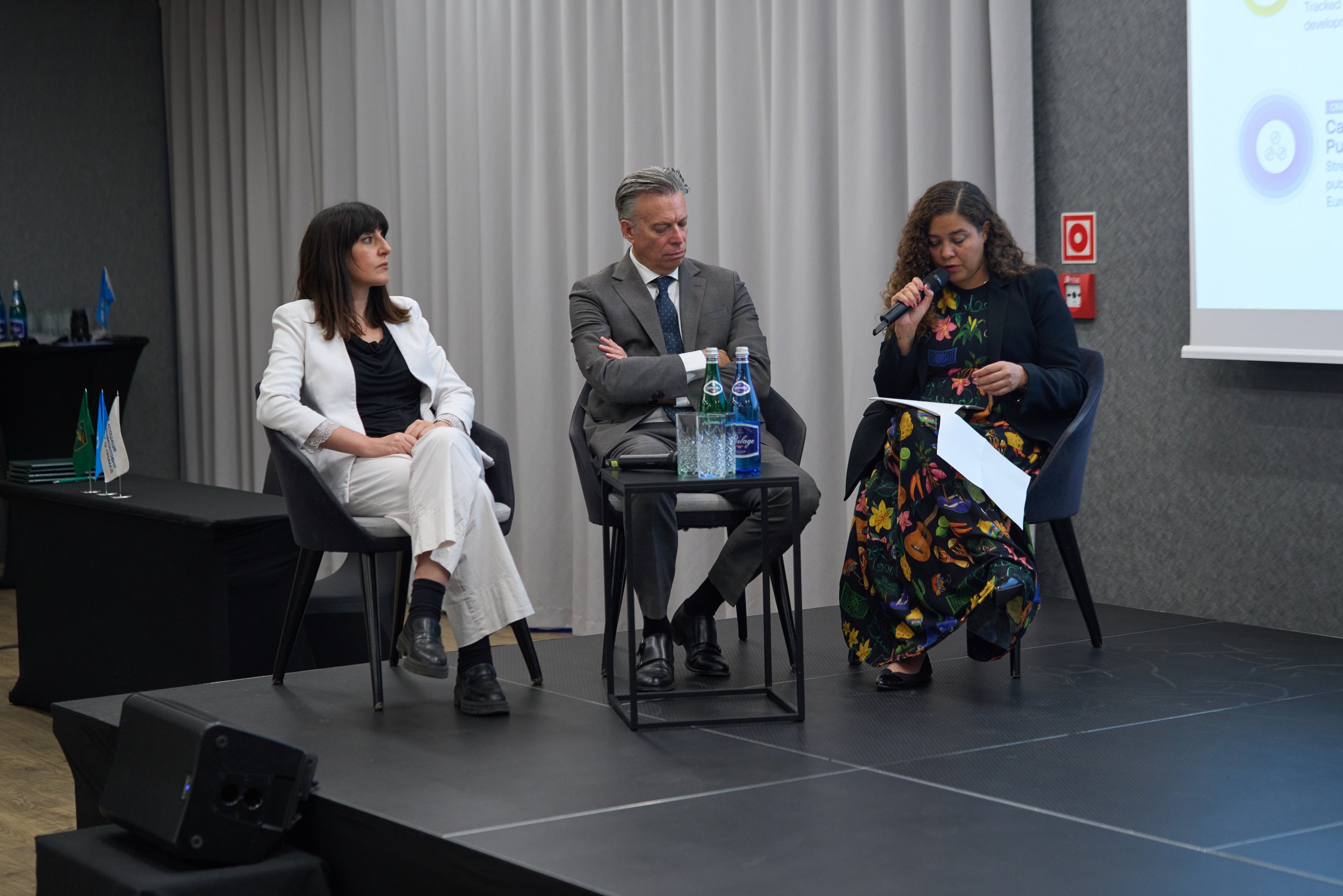
Voices from Frontline Cities
The discussion then turned to local municipal authorities, mayors and frontline city council representatives, who are working on urban recovery on the ground.
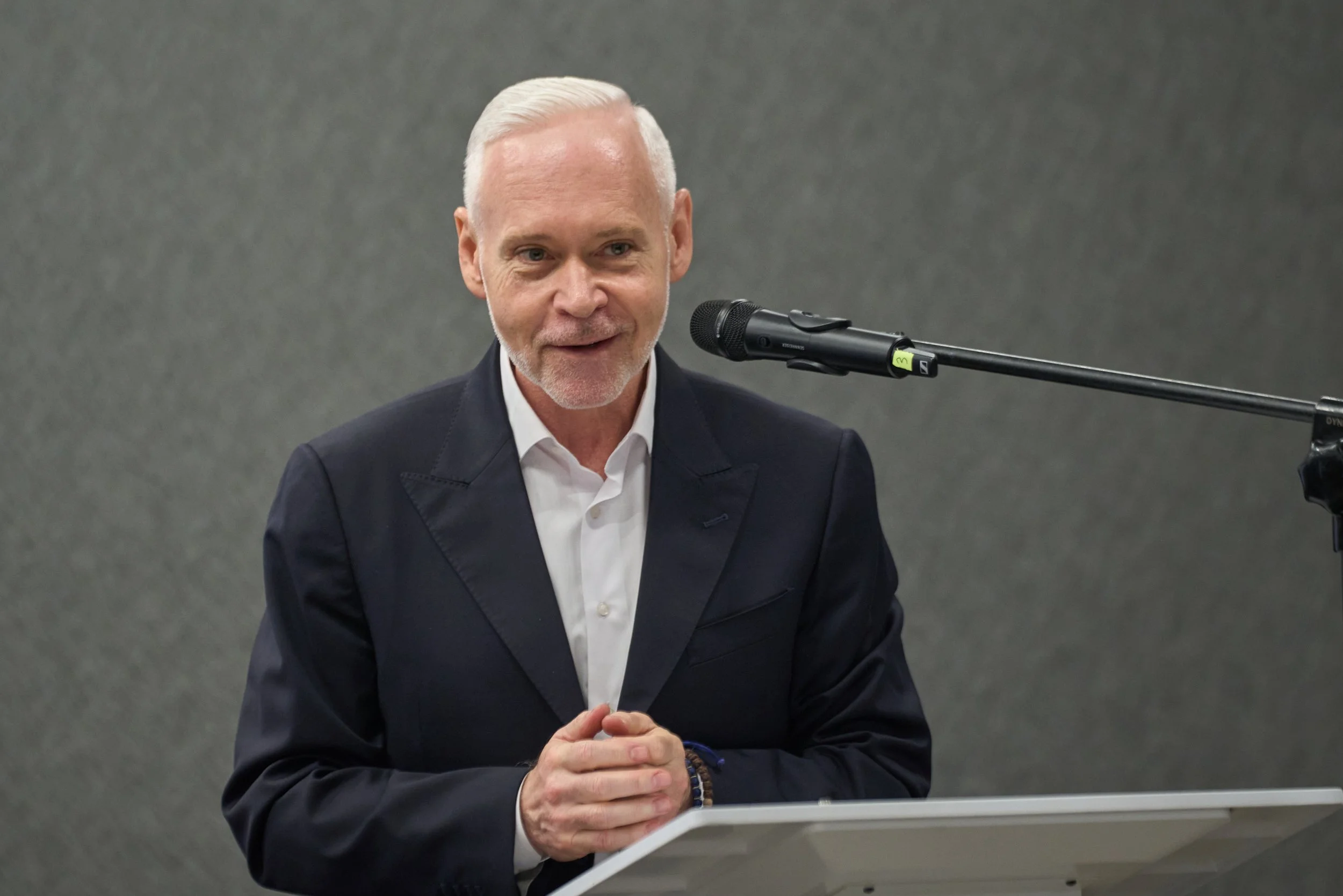
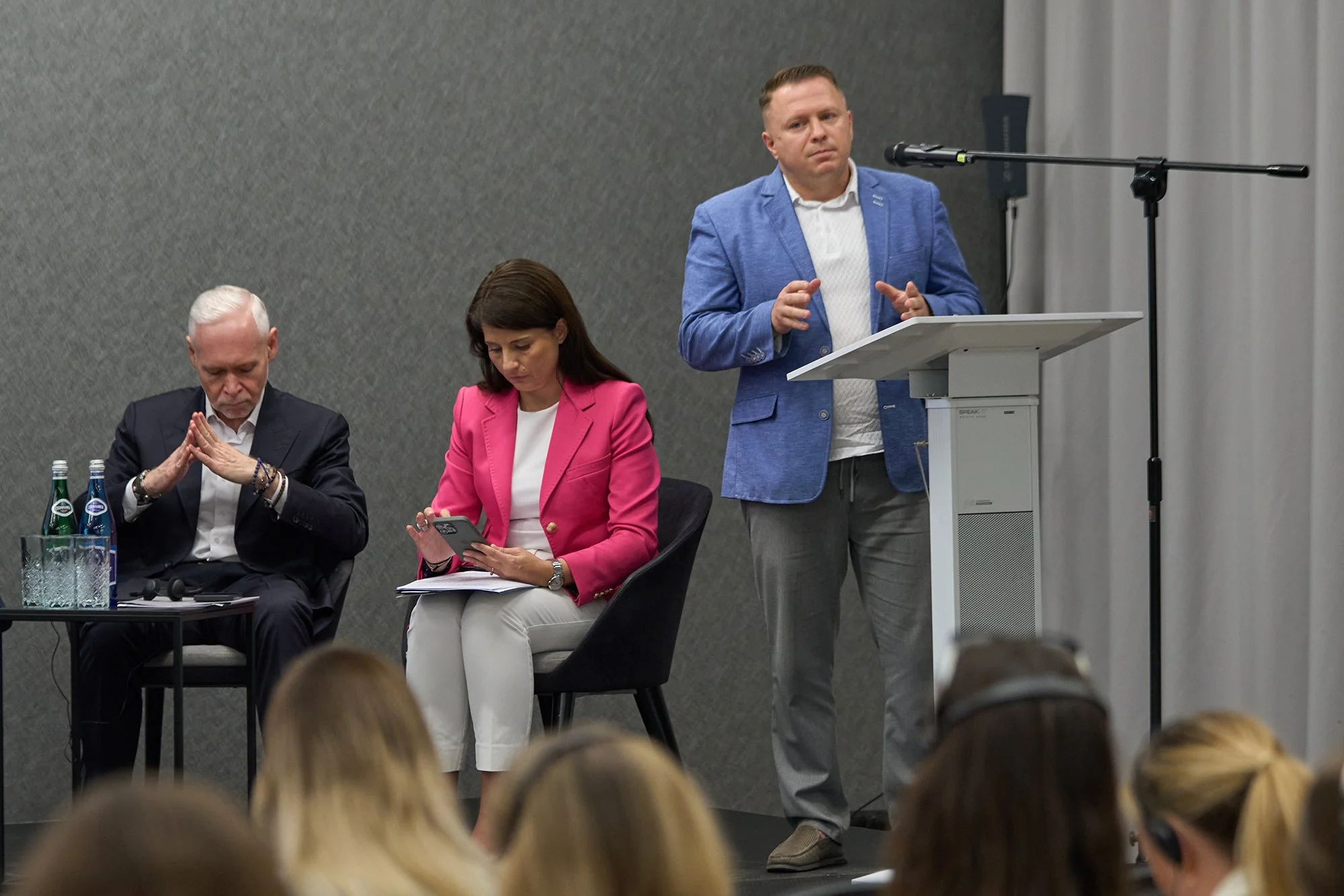
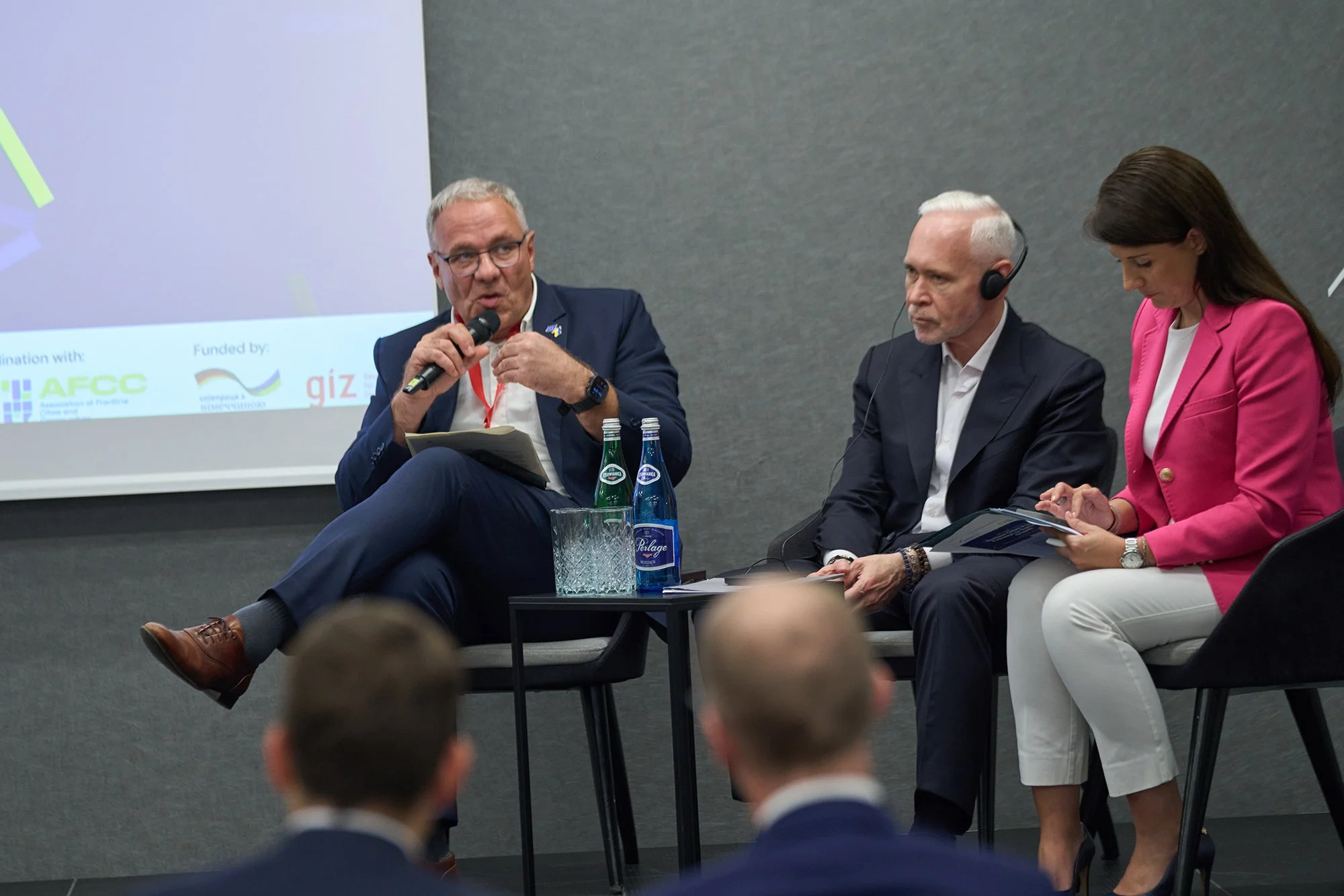
Ihor Terekhov (Mayor of Kharkiv and Head of the Association of Frontline Cities and Communities of Ukraine) presented an overview of Kharkiv’s current situation and challenges, stressing the fact that recovery cannot wait, ultimately presenting the ongoing initiatives on the territory ranging from energy and water strategies to the planning of housing reconstruction. He concluded by emphasizing the need for projects to be replicable in other frontline cities.
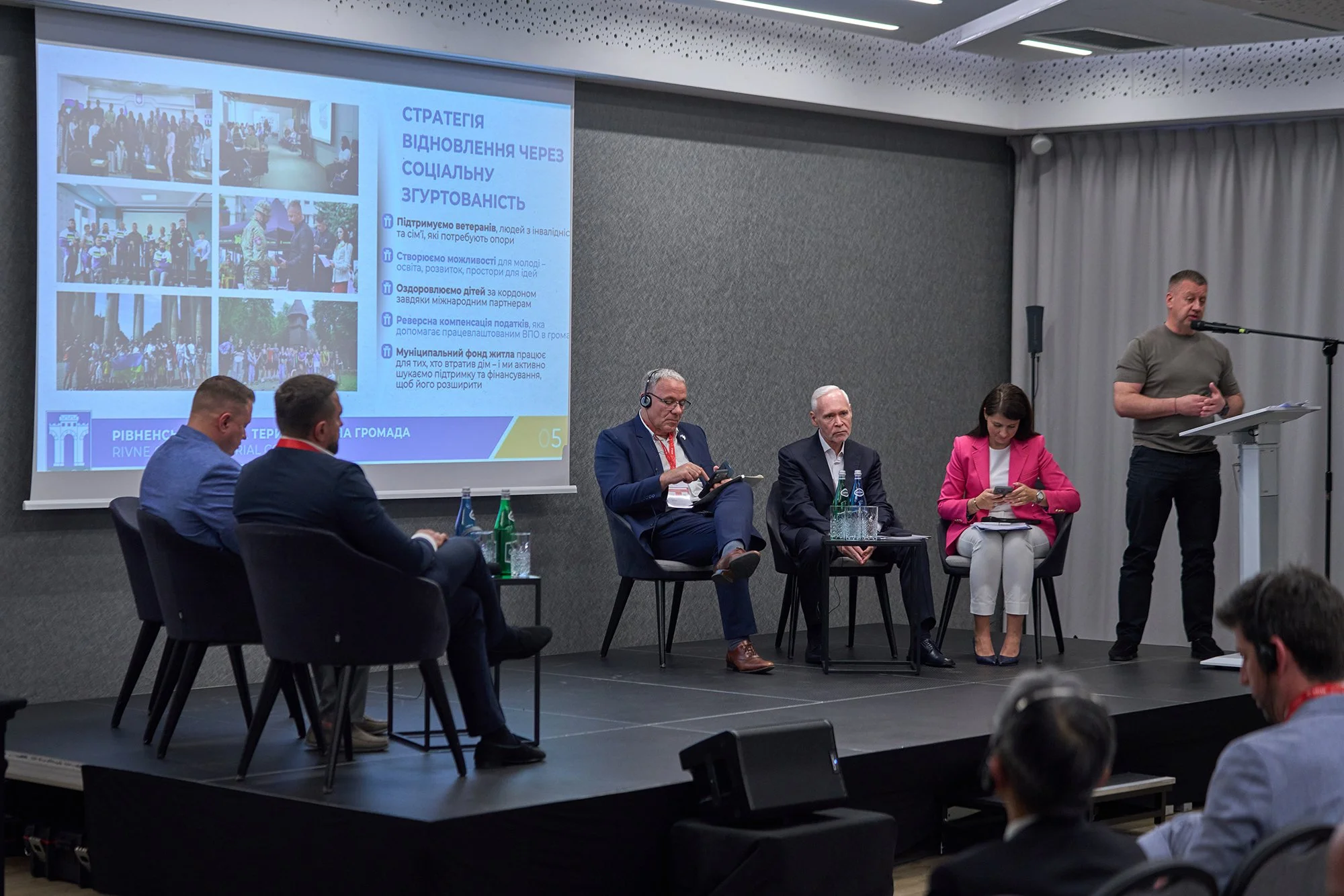
Rivne’s comprehensive, multi-sectoral recovery strategy was presented by Viktor Shakyrzian (Acting Mayor of Rivne), structured around two main priorities: energy resilience, including thermal modernization, solar energy deployment, and water system upgrades; and social inclusion, in line with national barrier-free guidelines and universal design principles applied to public spaces, health facilities, and the transport network, alongside programs supporting the integration and rehabilitation of veterans and displaced persons through dedicated hubs and community spaces.
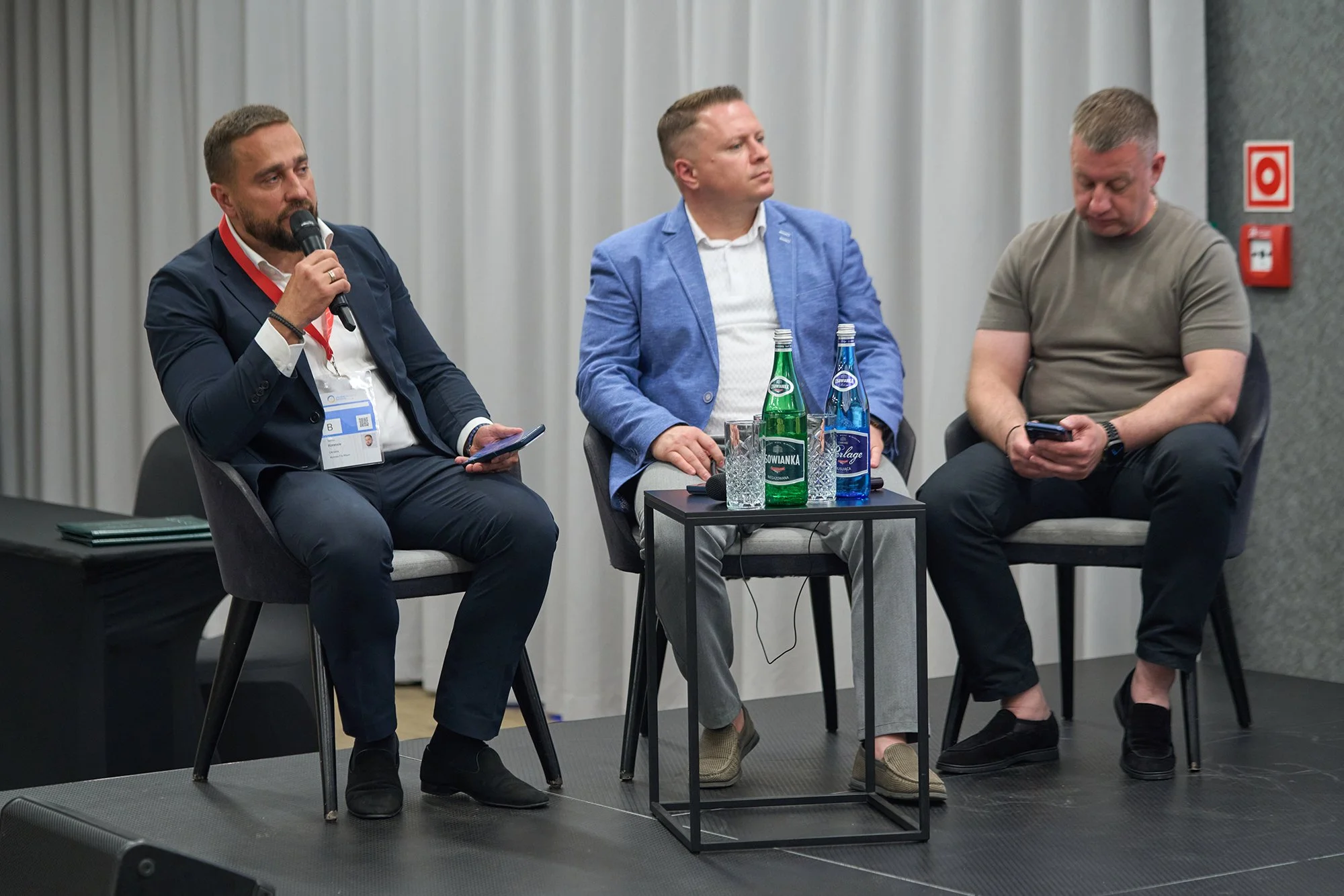
Mykolaiv’s recovery approach was also explored by both Anton Tabunshchyk (Chair of the Mykolaiv Regional Council) and Sergii Korenev (Deputy Mayor of Mykolaiv), highlighting how increasing population inflows put pressure on housing and services, requiring municipalities to accommodate this growing demand; the efforts to move from emergency response to a systemic approach, the increasingly proactive municipal role, the call to adopt blended finance models for reconstruction and social housing, and the benefits of risk-sharing mechanisms to encourage private sector engagement in frontline cities.
Formalizing Strategic Partnerships
The closing session featured panels bringing together representatives from EBRD, EIB, EU Delegation to Ukraine, Swiss State Secretariat for Economic Affairs (SECO), Department for Transport (United Kingdom), GIZ, UNICEF, UNHCR, and UNOPS. The panelists presented ongoing projects supporting Ukrainian communities and shared their future priorities for financing and implementing urban recovery and reconstruction. Discussions explored the challenging context in which recovery efforts are taking place in Ukraine and the importance of recognizing the richness and strength of individual cities as a foundation for sustainable recovery: financing and support should respond to locally identified priorities, empowering communities to lead the development of sustainable and livable cities.
The discussions emphasized that international partners should not act as sole "experts." Instead, they should support and complement local knowledge. Indeed, communities already possess a clear understanding of their needs and priorities: this is evident in their approaches to humanitarian response, early recovery, and long-term reconstruction planning. International partners can contribute by translating these priorities into concrete projects, offering technical assistance, strengthening institutional capacity, and mobilizing targeted financial resources. In this context, frontline cities were described as engines of innovation in broader European recovery approaches, as their experiences and lessons learned can inform effective urban development models elsewhere. The discussion also underscored the centrality of human capital, especially through sustained support for education and learning, as well as the previously highlighted need to sustain local economies by enabling startups and businesses to remain active, thereby maintaining economic continuity.
The session concluded with the official signing of the important documents on cooperation and financial assistance between Kharkiv City Council and international partners. The UN4UkrainianCities Initiative supported the process leading to financing outcome between the city of Kharkiv and EBRD by facilitating a negotiations between the two counterparts, including the organization of a meeting with EBRD management within the World Urban Forum (WUF13) in Baku, leading to the finalization and signing of the financing package in Gdańsk. EBRD committed up to €47 million in loan and grant financing to modernize Kharkiv’s heating systems and implement special backup measures to ensure the continuity of heat supply during blackouts and emergencies. This investment will strengthen the reliability, efficiency, and resilience of critical urban infrastructure and essential services for residents.
Moreover, Kharkiv City Council and UNICEF renewed their Memorandum of Understanding, reaffirming their long-term commitment to support the city's recovery and development. This renewed agreement creates the institutional basis needed to accelerate recovery initiatives and mobilize additional technical and financial support.
The UN4UkrainianCities side event reaffirmed that urban recovery in Ukraine is already underway: the focus now is on grounding it in cooperation between cities, national stakeholders, and international partners to develop investment-ready projects through a framework of co-creation led by local communities and supported by external actors. Across all panels, a common message emerged: recovery is not limited to rebuilding infrastructure—though this remains essential—but also involves strengthening institutions and local capacity to ensure long-term sustainability.
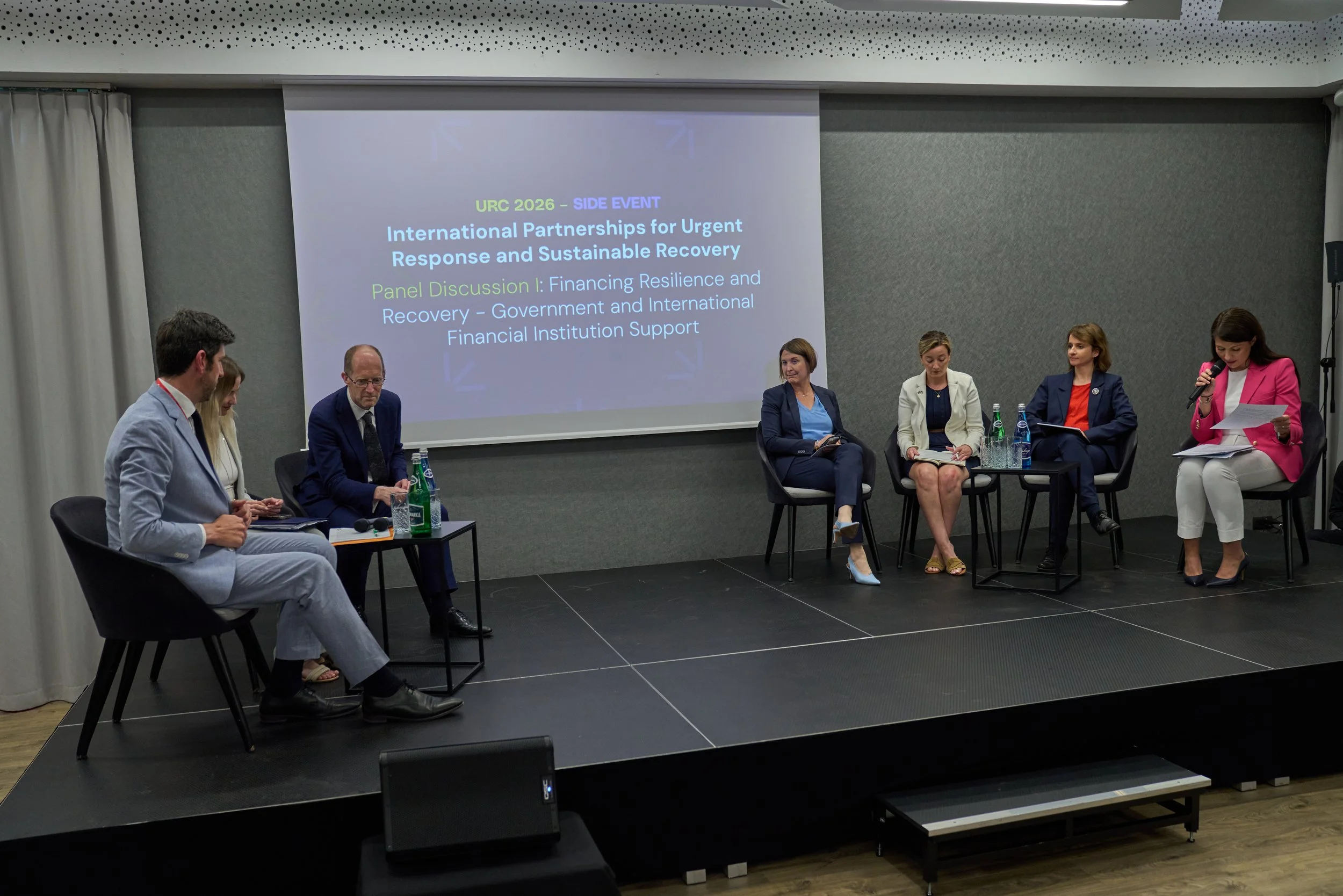
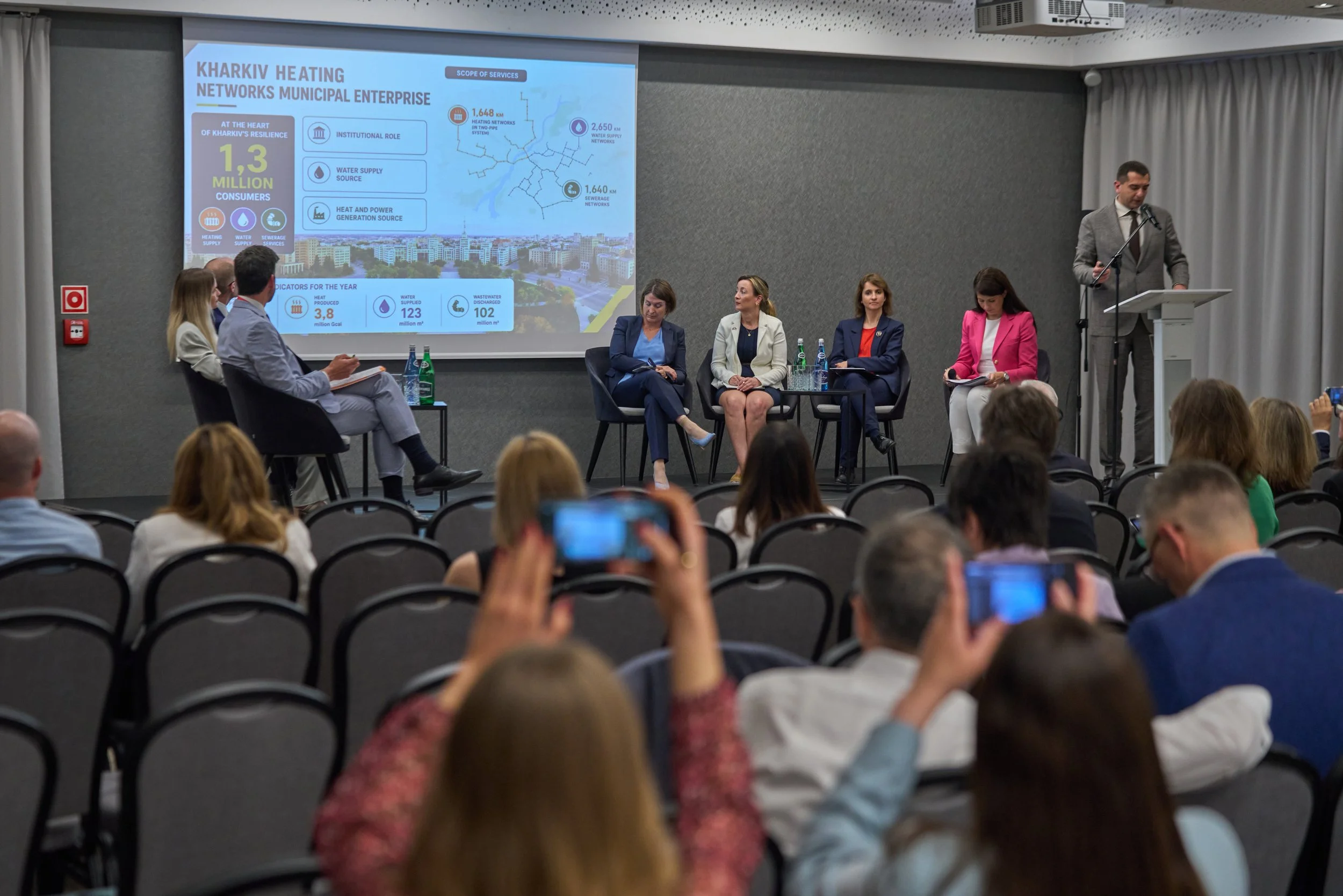
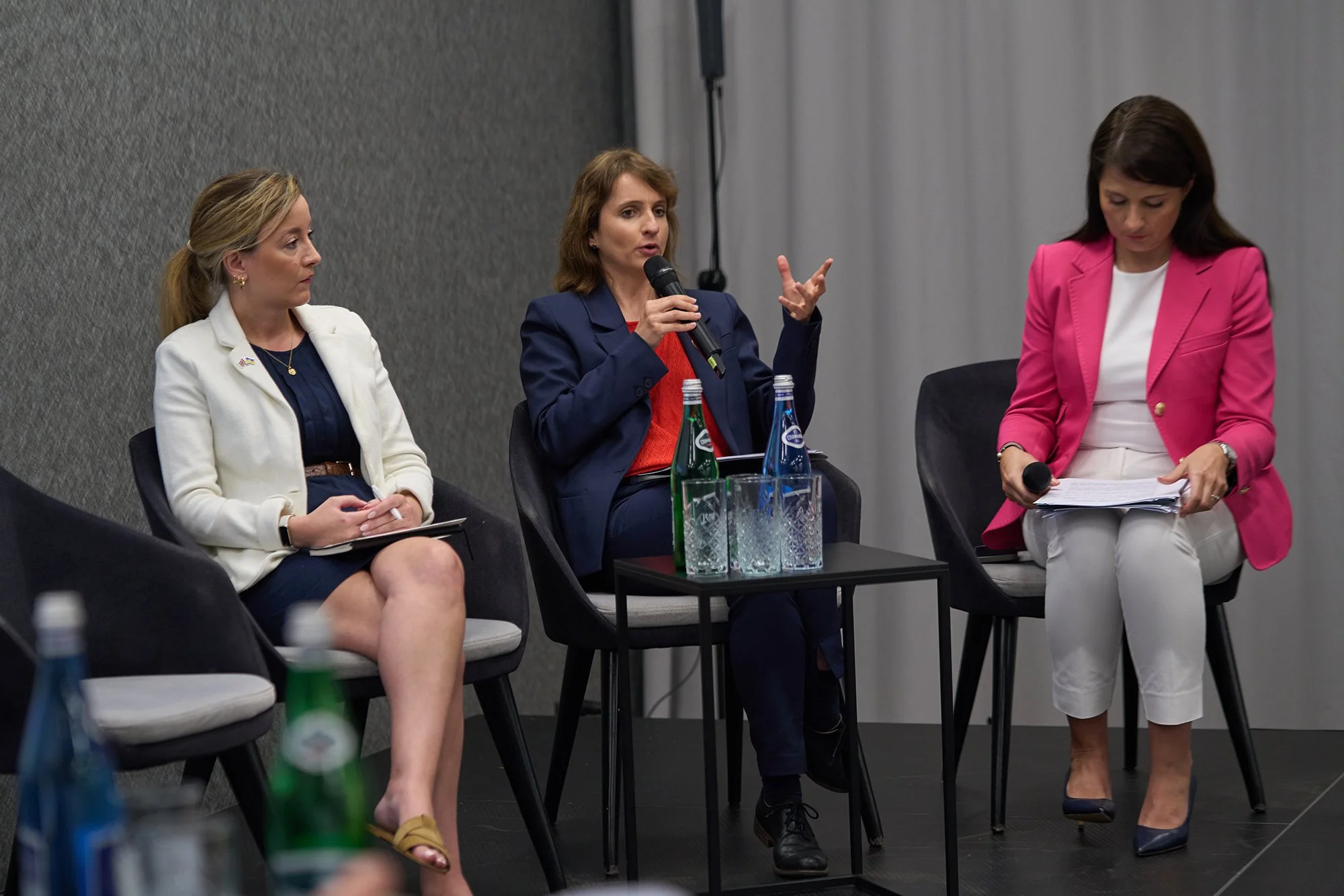
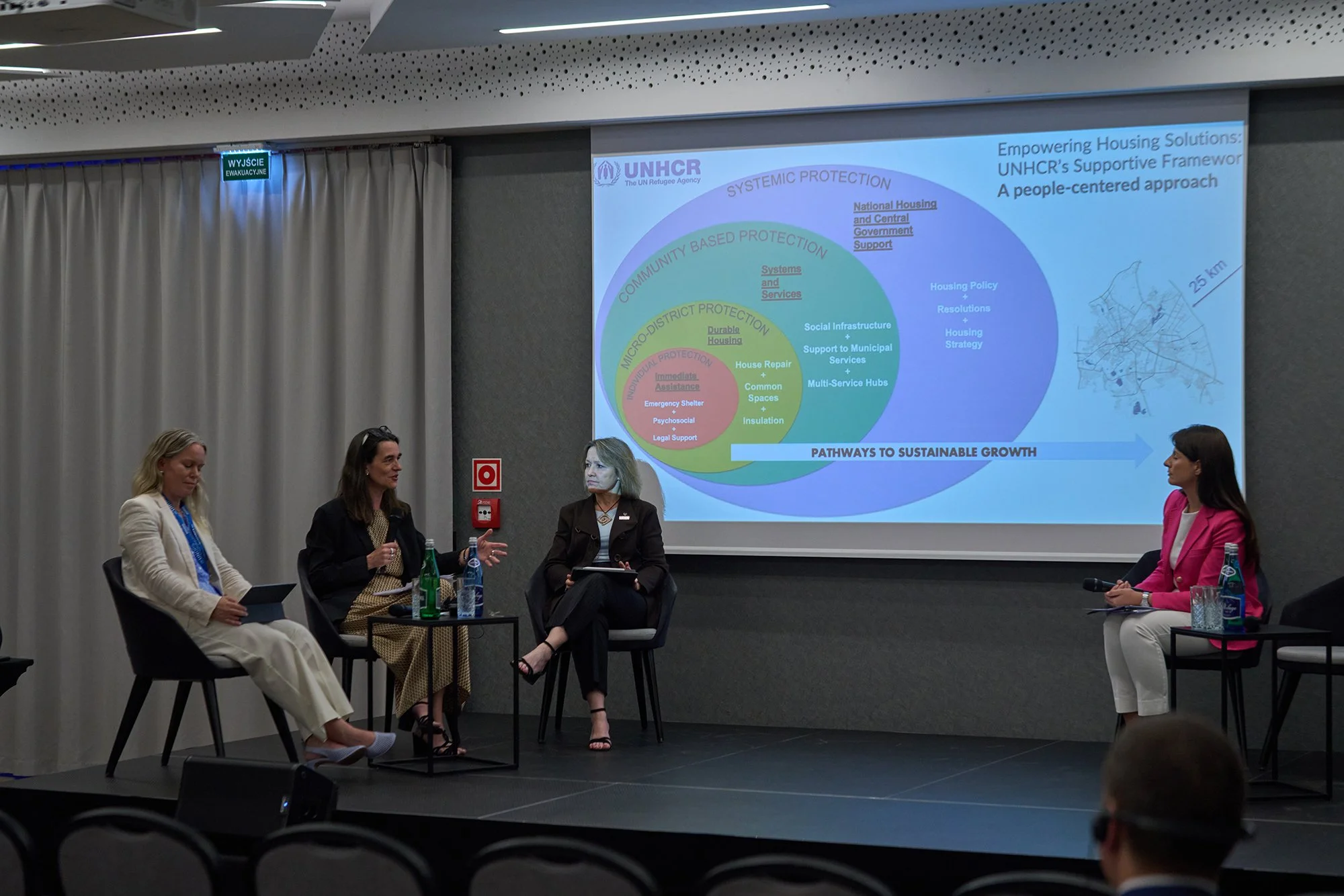
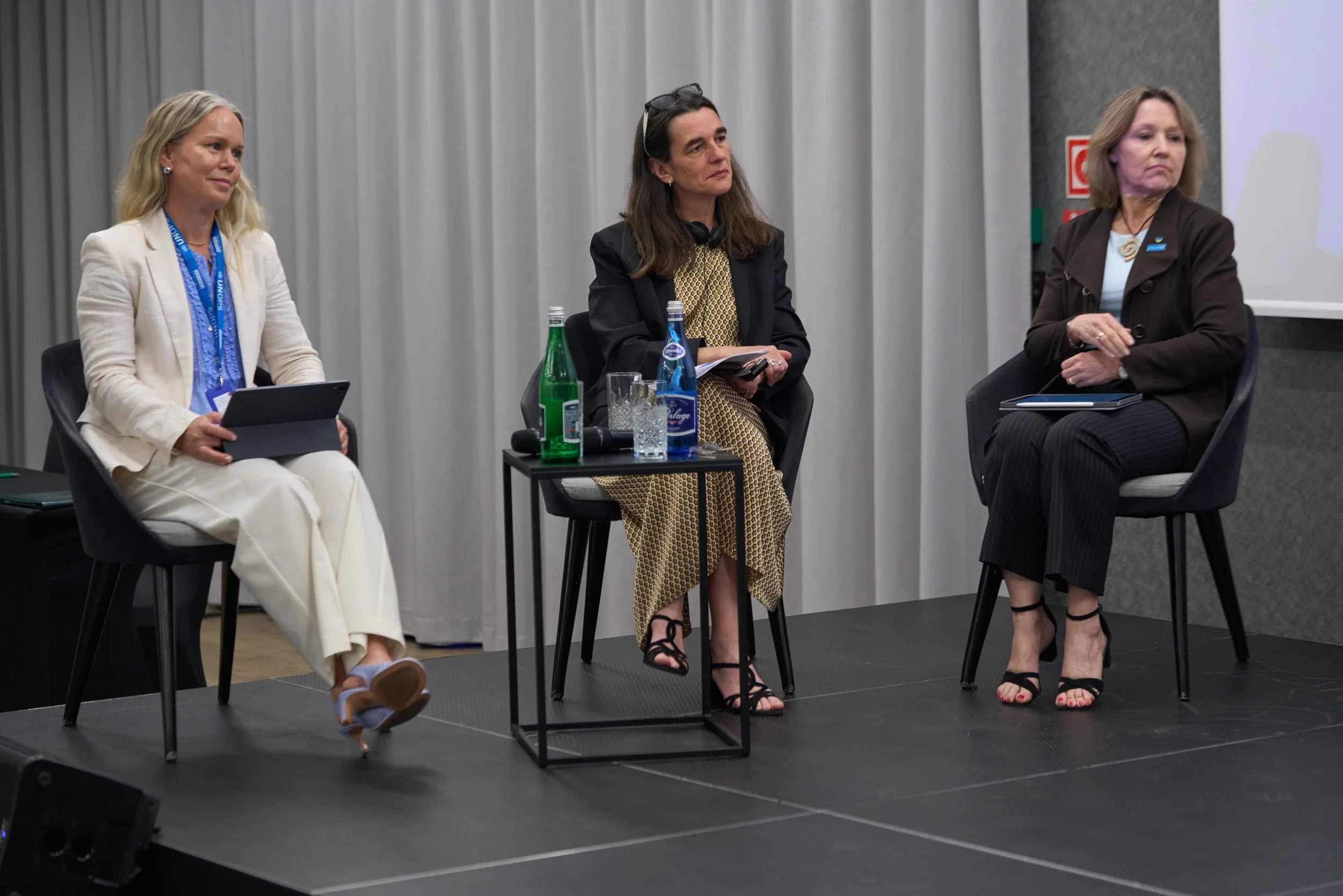
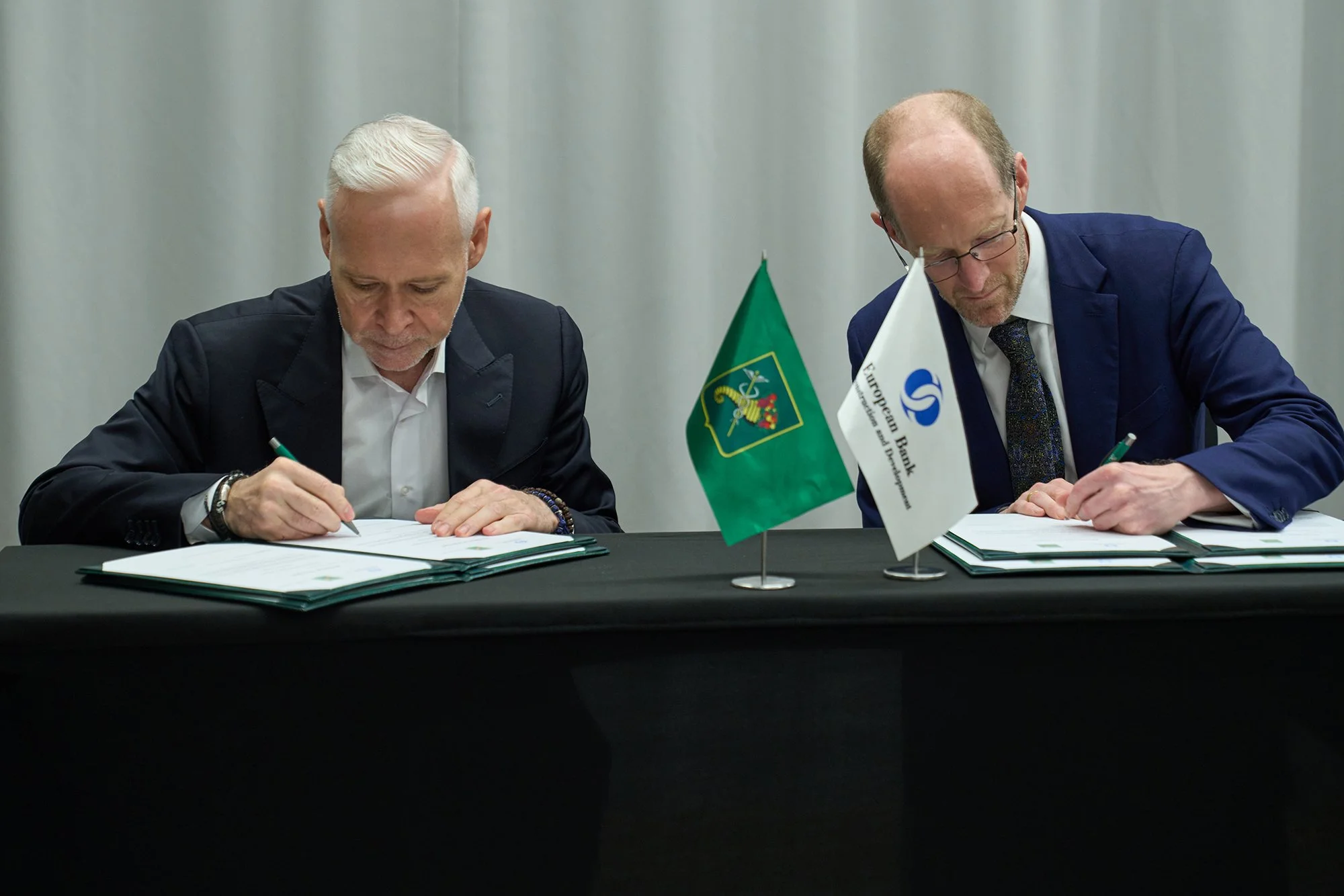
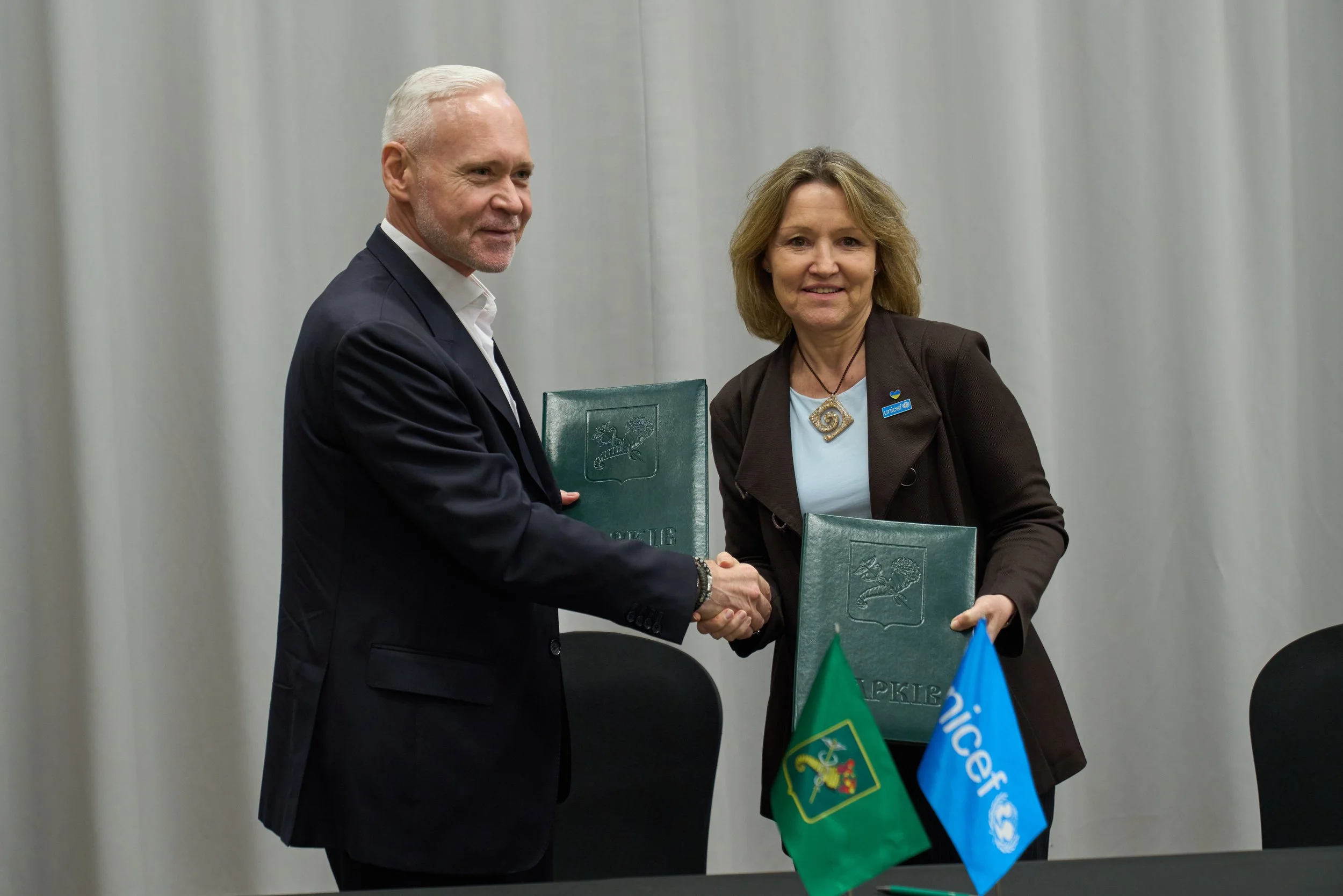
Photo Credit: © Kharkiv City Council