


The Health Route’s Urban Generation Days in Mykolaiv: the Workshop Unveils a Greener Vision for Mykolaiv’s Waterfront and Beyond
An important opportunity to present months of work: the two-day “Urban Generation Days” workshop organized by Mykolaiv on 17-18 June 2026, showcased the development process, results, and current state of the city’s “Health Route” project. The event brought together city leadership, international experts, youth, and local community representatives for panel discussions aimed at deepening understanding of the project and identifying opportunities for improvement.
This pedestrian and recreational waterfront corridor is part of the City of Mykolaiv's Concept Master Plan as a pilot project focusing on green-blue infrastructure. Part of the UN4UkrainianCities Initiative implemented by UNECE with support from GIZ and BMZ, the design is created by an international group of experts coordinated by One Works Foundation (OWF) and consists of a 5-kilometer route aiming to unlock Mykolaiv’s riverfront potential for recreation and public space development.
The team receive active support from Mykolaiv City Council and a wide range of local stakeholders led by Mykolaiv Water Hub. The workshop included community representatives, as well as architecture, mobility, and landscape experts, local citizens and students contributing their ideas and priorities for the selected site.
Day 1: Shaping the "Health Route” – from the Local Youth to International Experts
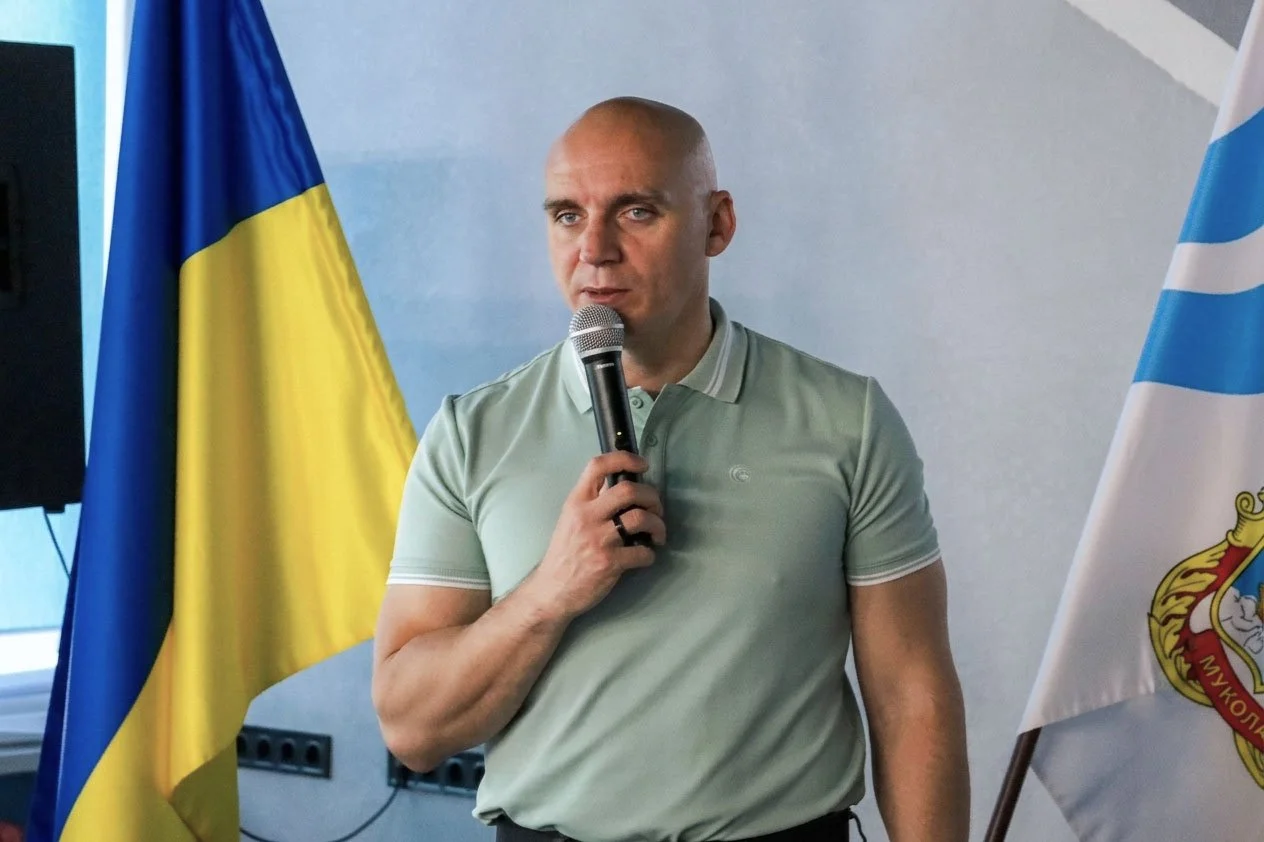
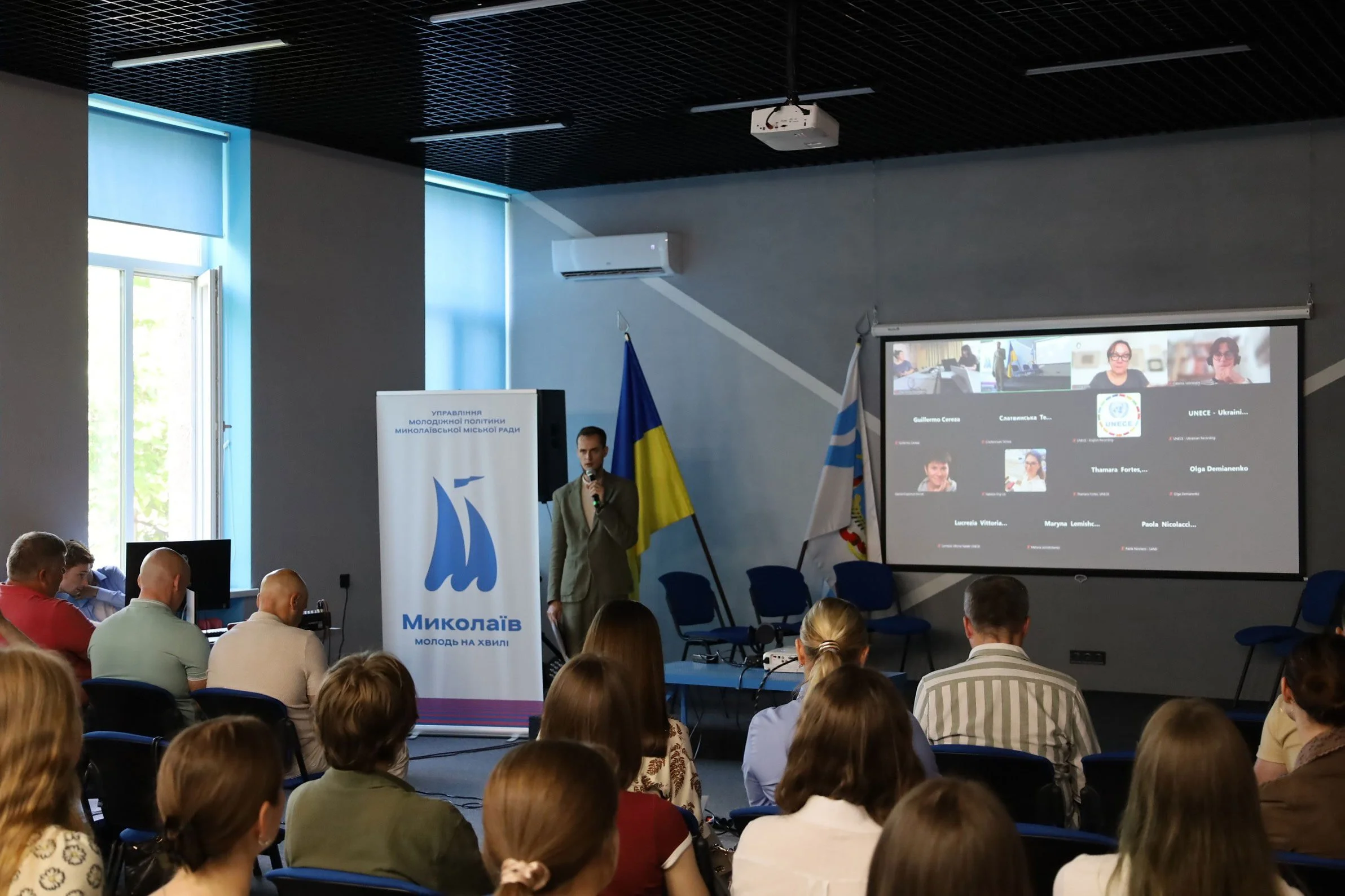
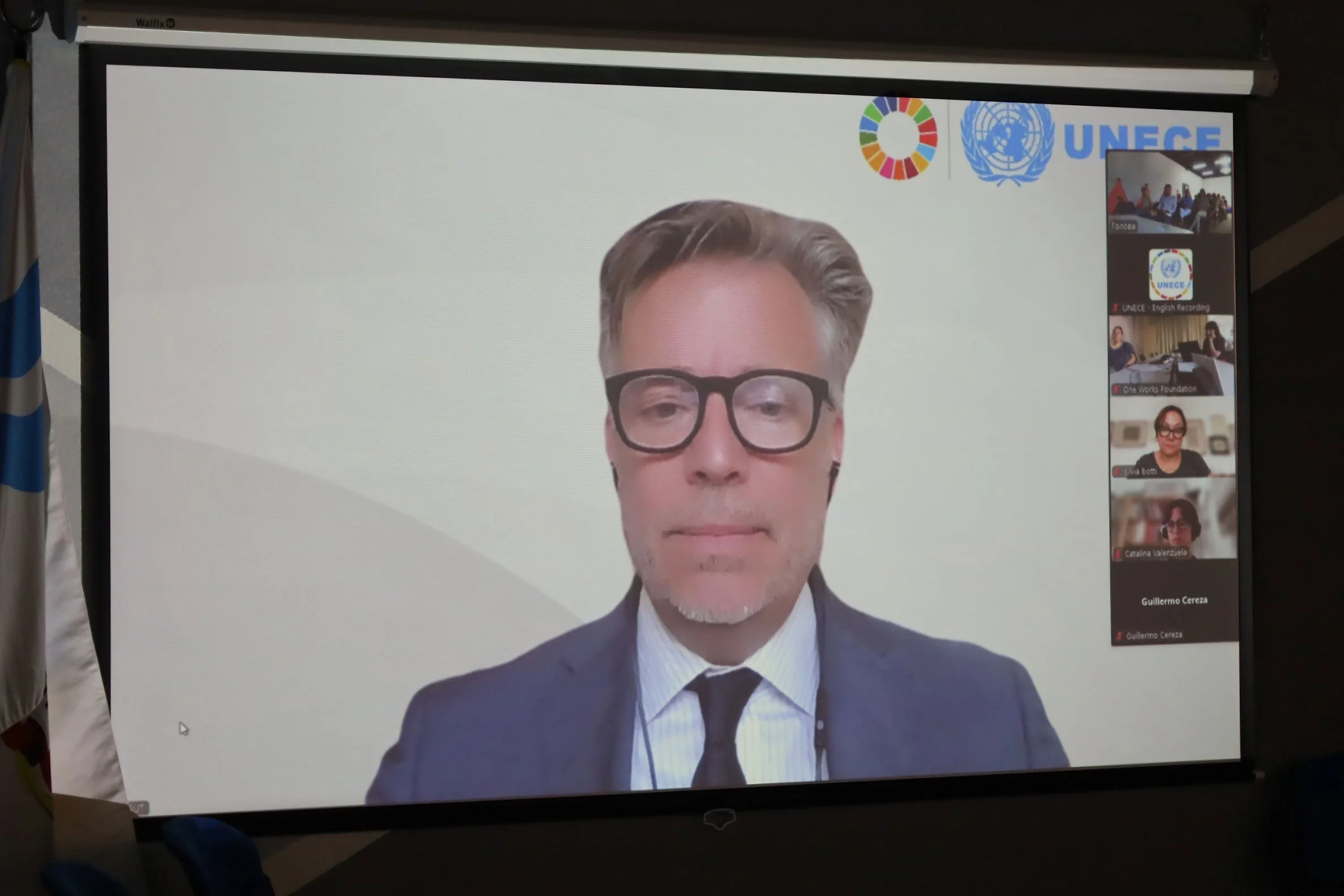
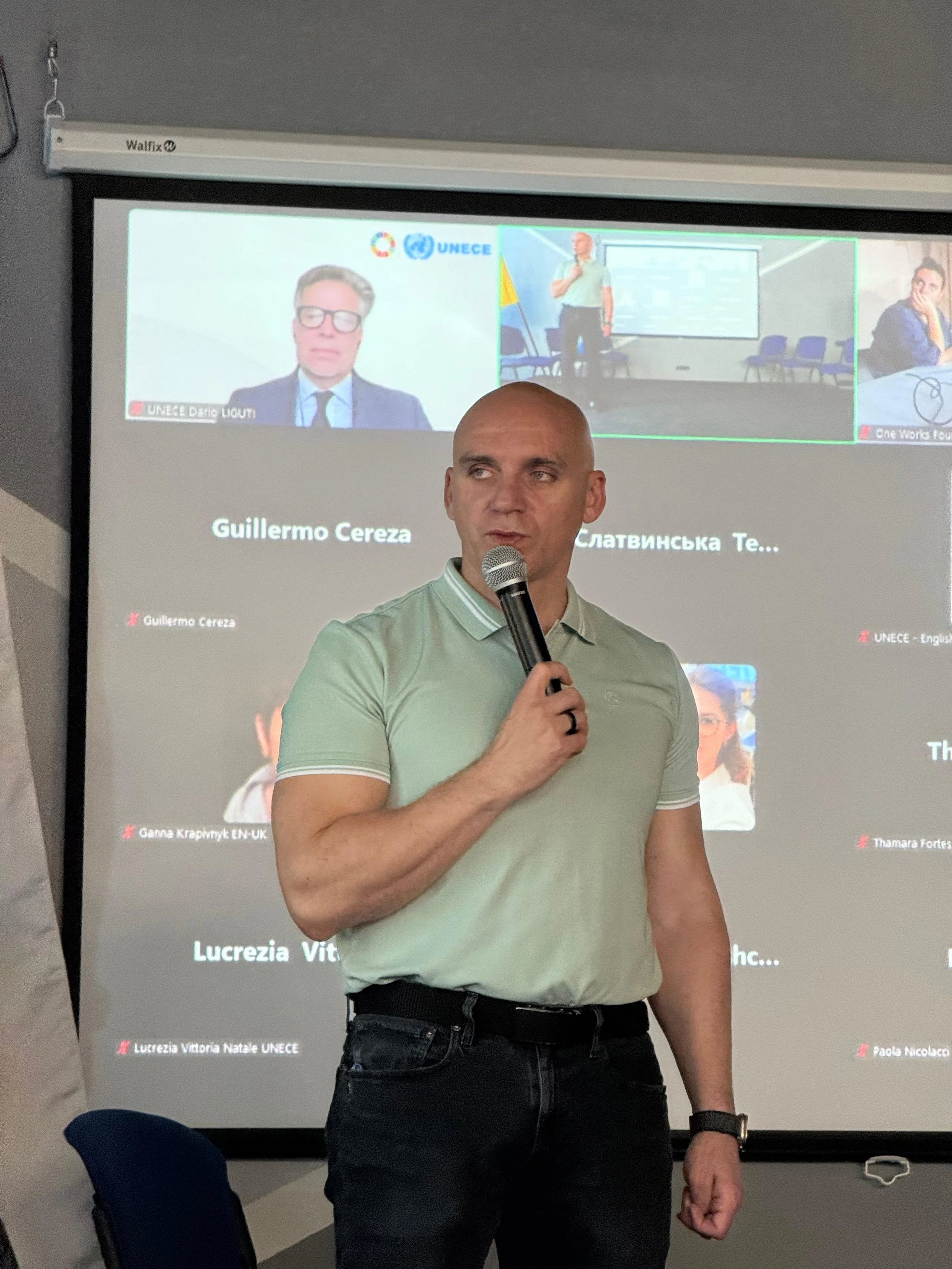
Mayor Oleksandr Sienkevych opened the event by describing the Health Route project as a comprehensive vision that will bring long-term benefits for the whole city, turning aspirations into concrete projects. Building on this, Dario Liguti (Director of the Energy, Housing and Land Management Division at UNECE) highlighted the Health Route as essential to people’s well-being, especially as war affects both physical and mental health. He also emphasized the role of community engagement and ownership: 'Those who really have to drive this project are its inhabitants and the leadership of the city.' Continuing the theme of collaboration, Yevhen Poliakov, Chief Architect of Mykolaiv, stressed that urban recovery is not only about financial resources but also about partnerships and community engagement, particularly involving young people.
Multidisciplinary Perspectives on the Health Route Development
In the context of the Health Route pilot project, students from the city's educational institutions, under the guidance of researchers, analyzed the site's environmental conditions and developed innovative visions for the waterfront. They presented their ideas, with each group focusing on specific challenges and opportunities in different portions of the site.
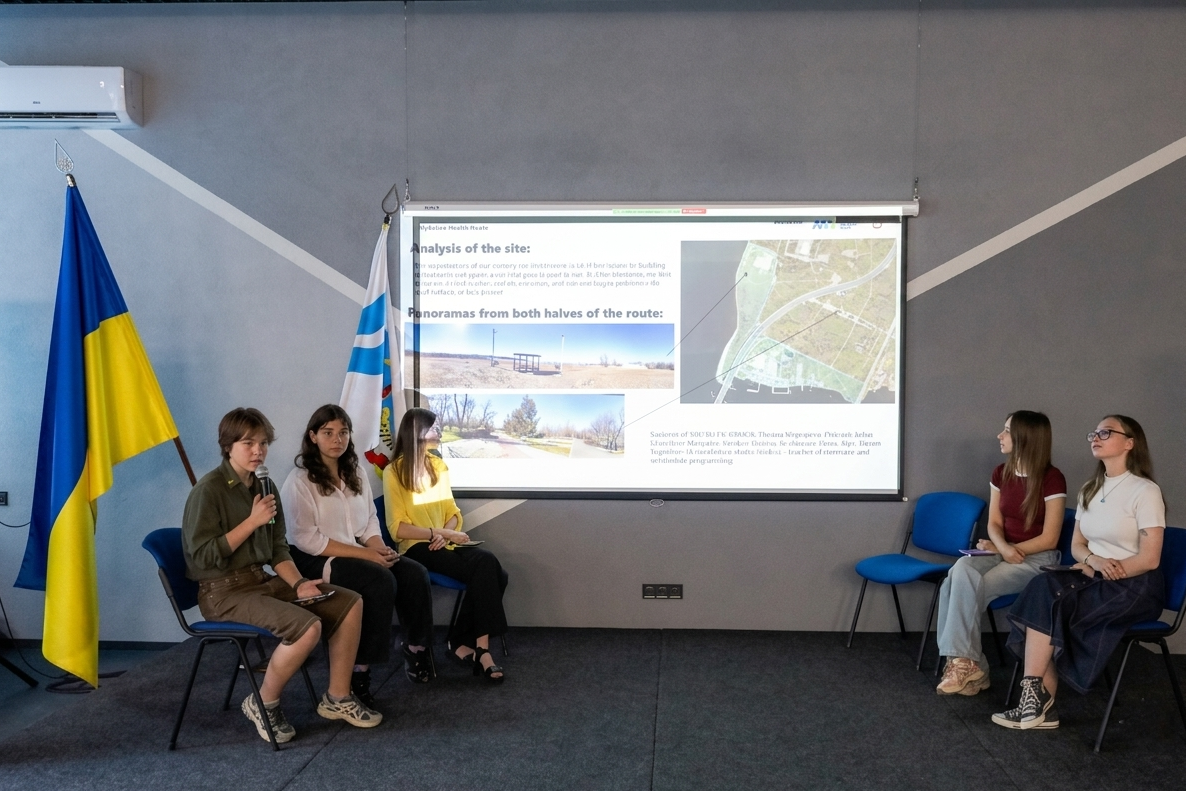
© Mykolaiv City Council
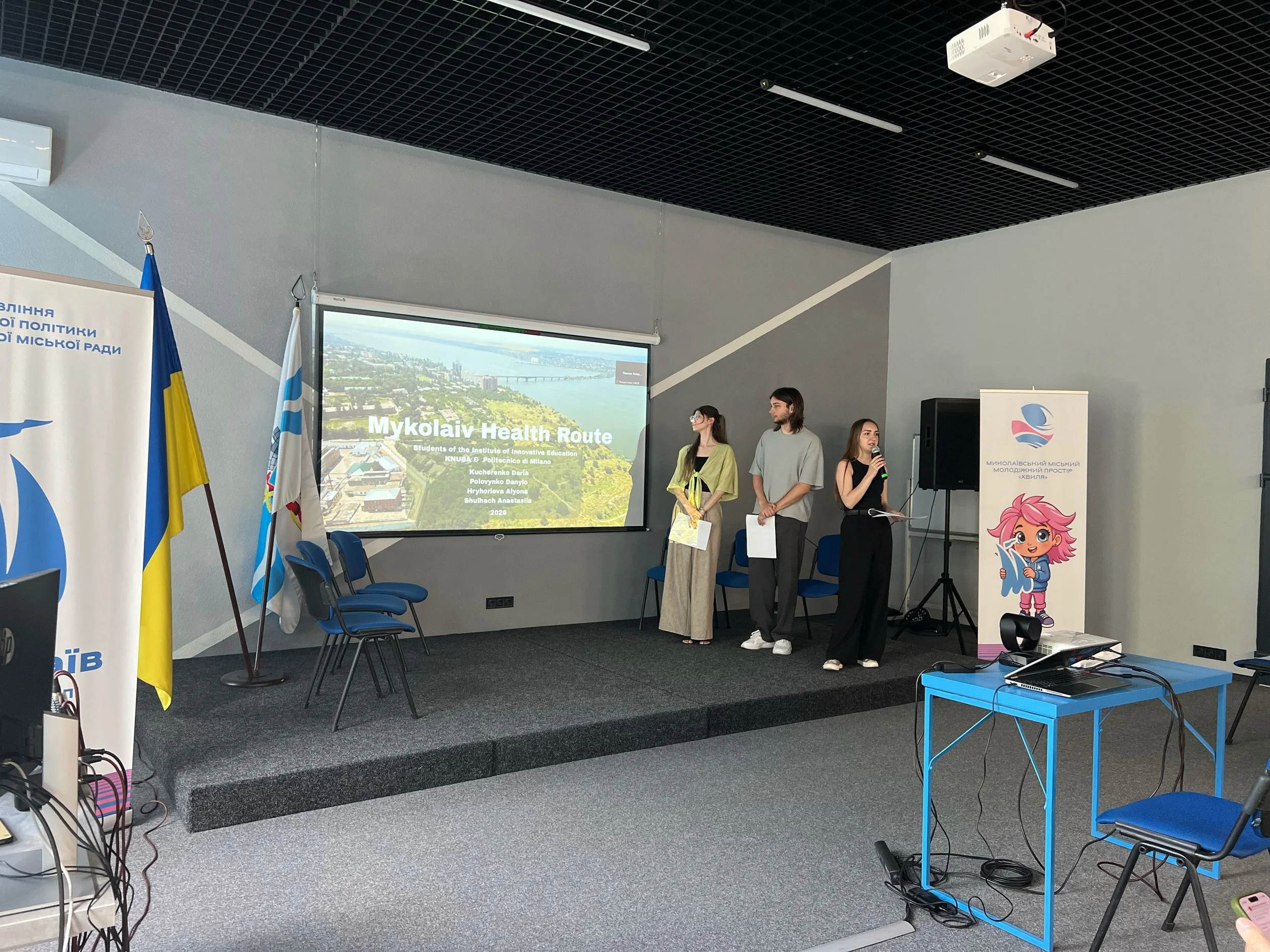
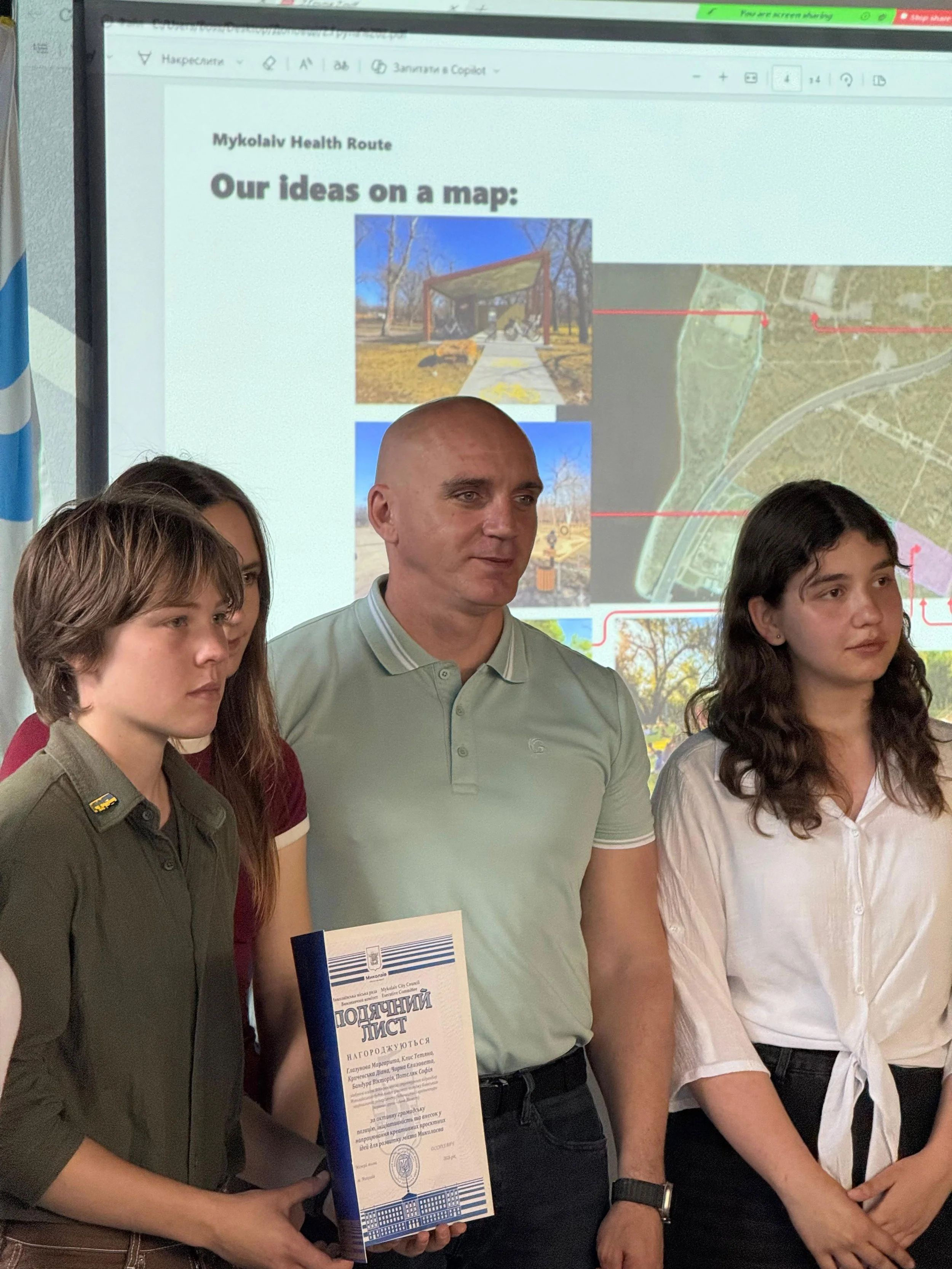
Moreover, OWF and its partners showcased the design progress made across the Health Route’s areas:
LAND presented the landscape strategy and proposals to create accessible spaces for social interaction and improved overall environmental quality by introducing spatial hubs for sport, nature, culture, education, points of access to the river, enhanced connectivity, and leisure areas, ultimately organizing the site into thematic zones aimed at bringing people closer to the river.
Systematica showcased its mobility strategy to ensure multi-scalar connectivity and adequate access points, parking areas, and accessibility zones.
LIUC explored the integration of smart city elements into the project to support accessibility, safety, and user experience focusing on sports and leisure.
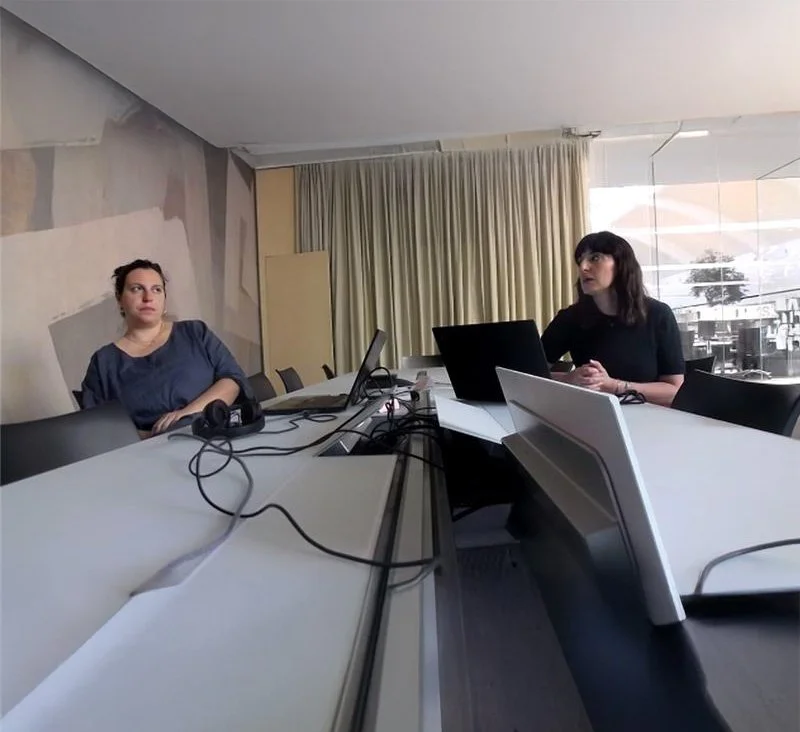
The event concluded with a dynamic panel discussion with active exchanges of questions, perspectives, and ideas among local experts, researchers, and authorities. They emphasized the need to actively work on the site's design despite current severe financial and institutional constraints, stressed the future economic benefits that the Health Route could bring through attracting donors and business opportunities, and highlighted priorities related to environmental sustainability and biodiversity protection.
Stakeholders underscored the need for the route to embody Mykolaiv’s identity as the “City on the Waves.” They noted that, while the surrounding natural environment already evokes this image, the design should build upon these existing qualities, enhancing the city’s maritime character and reinforcing its cultural identity.
Day 2: Expert Masterclasses for Urban Transformation
Day two was rich in exchanges and lectures on the multiple dimensions of urban transformation, combining design, policy, technology, and community-driven innovation.
OWF presented the ideas developed for the Health Route’s urban furniture and other small-scale interventions, designed to integrate naturally with the landscape and surrounding vegetation using local materials and geometric structures. Showcased ideas include entrance structures, such as a main gate with a restaurant and bar, and smaller secondary gates for the many Health Route access points;
LAND provided an extensive lecture on the role of nature-based solutions in contemporary urban development, emphasizing that cities are moving from a net-zero mindset towards a “nature-positive” approach to actively improve ecological conditions. The presentation included examples of projects implemented in Italy (Vercelli, Rho, and Venaria Reale);
Moreover, the Mykolaiv Water Hub presented its framework of initiatives, including the Fab Lab, a community-driven space for urban recovery where young people are encouraged to develop their own ideas and practical solutions. The initiative was described as a hands-on environment equipped with tools such as 3D printers and other technologies, enabling users to gain practical experience and exposure to applied knowledge.
Urban Transformation Tools: From GIS to Design Strategies
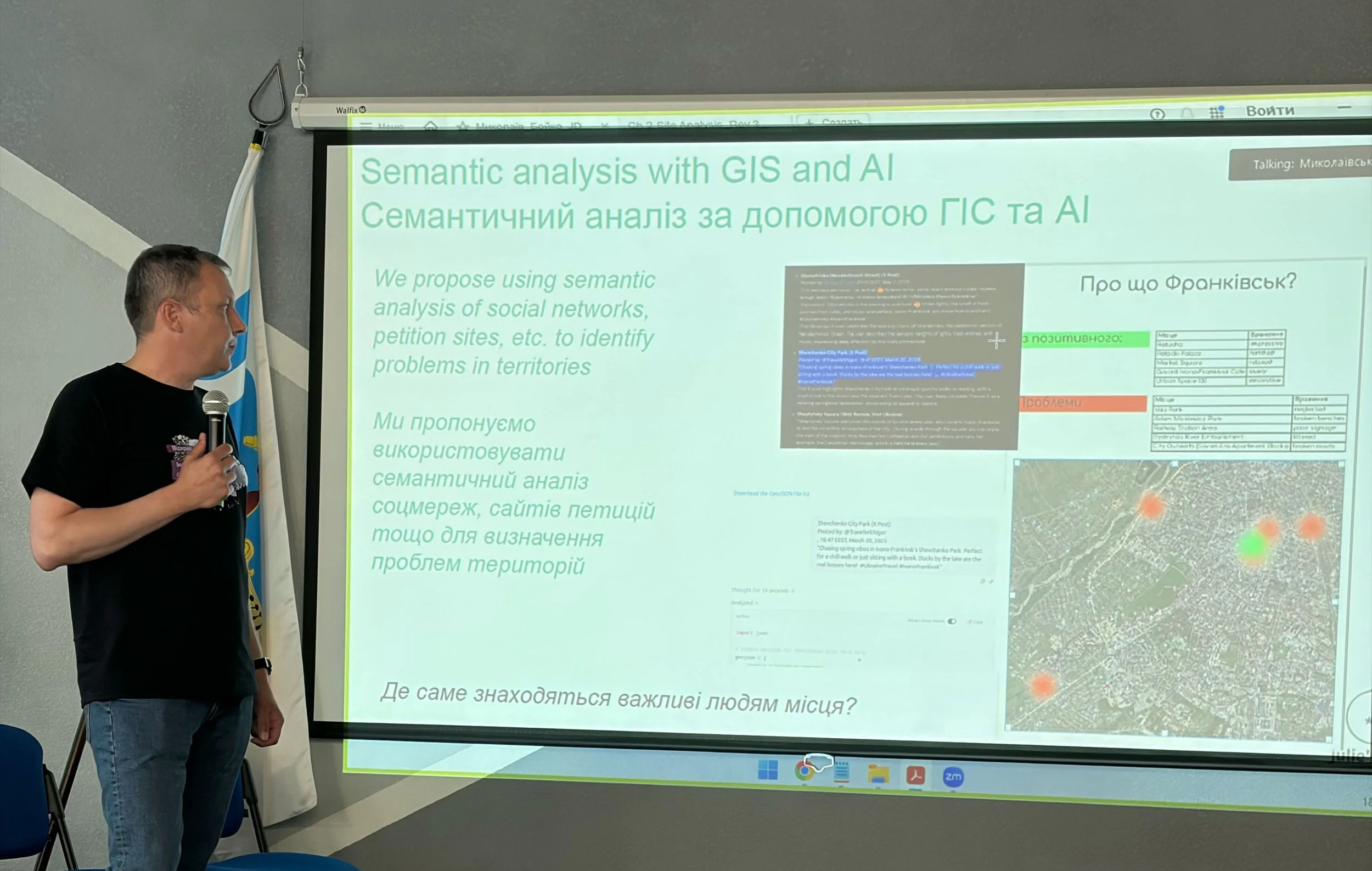
The second part of the workshop explored GIS tools through the presentation of a GIS expert from Julie’s Data. The presentation introduced the idea that spatial elements are interconnected, the role of proximity in strengthening the relationships between them, and the role of innovative tools combining GIS and AI-based methods.
© Mykolaiv City Council
Moreover, a lead architect from Duplantier Architectes presented urban regeneration as a process that transforms underused or declining urban areas into vibrant, multifunctional spaces that improve economic, social, and environmental conditions. The intervention highlighted the importance of investing in high-quality public spaces to attract people, increase business activity, and improve overall urban attractiveness, especially using the example of the urban transformation of Bordeaux, France.
Presentation of the UN4UkrainianCities Initiative
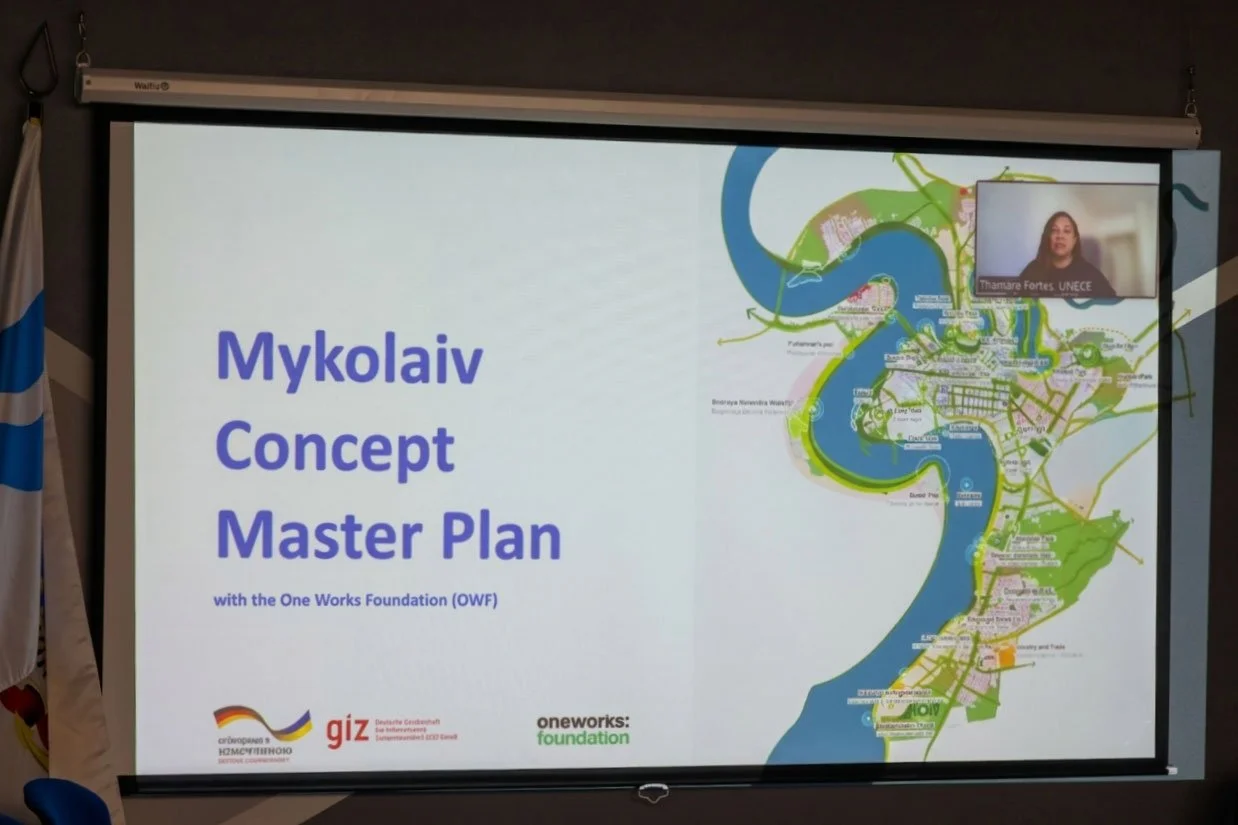
The UNECE UN4UkrianianCities project was presented in its various components, operating at multiple levels:
At the national level, it supports housing policy reform, including the development and adoption of a new housing law and ongoing work on social housing and housing stock management and it contributes to the creation of a national housing strategy coordinated through several technical working groups;
At the local level, the programme focuses on Kharkiv and Mykolaiv coordinating the development of pilot projects;
It conducts capacity-building activities, such as webinars, study tours, and knowledge exchanges between Ukrainian and European cities through study tours.
Overall, these interventions are not isolated projects but part of a long-term urban vision integrating infrastructure, housing, transport, and public space development.
© Mykolaiv City Council
A Final Panel Discussion on the Future of Mykolaiv’s Riverfront Development
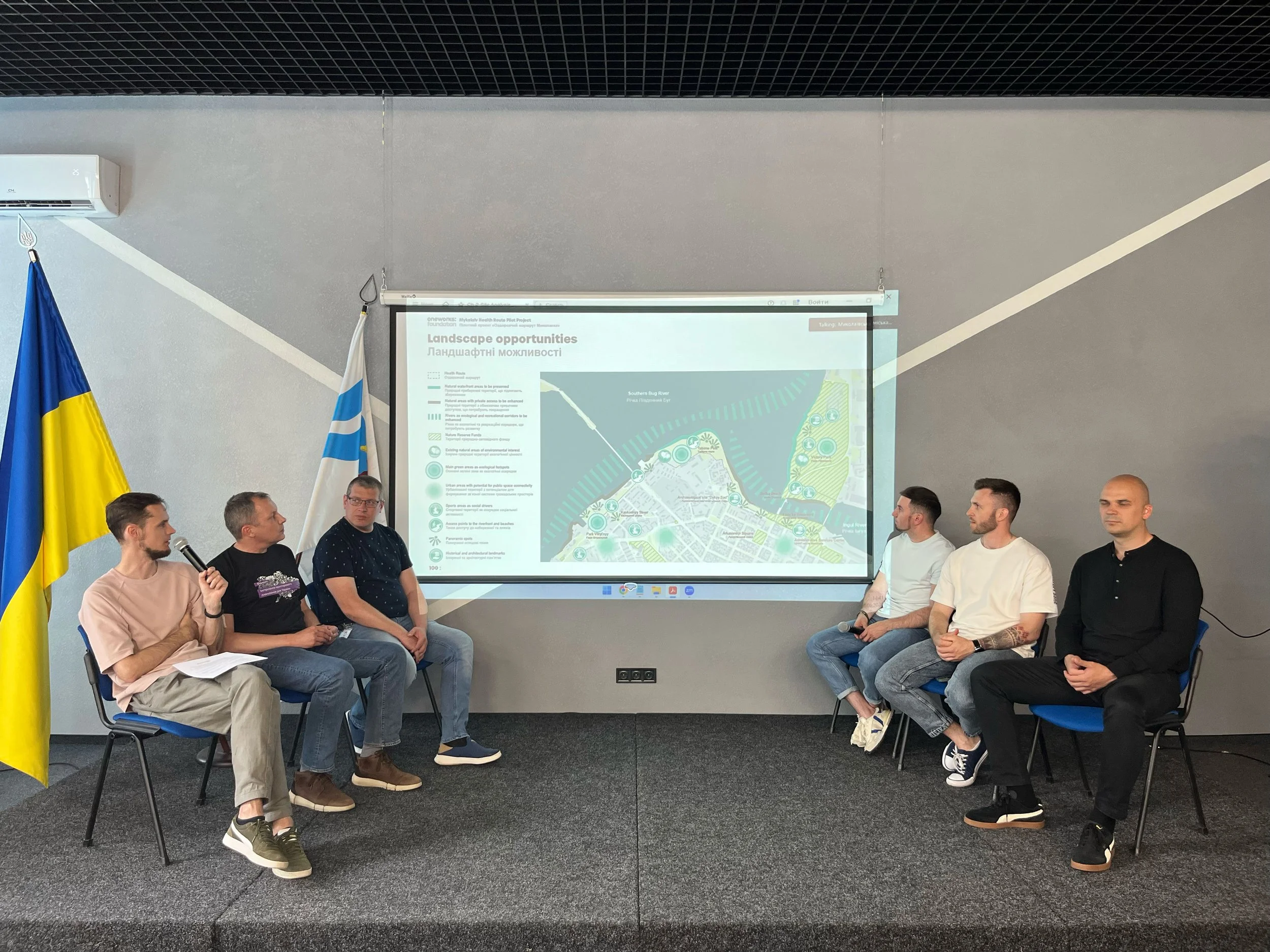
The final panel discussion engaged local authorities and researchers exploring participatory and community-driven approaches for the Health Route development. Panelists agreed on the importance of opening the city to its riverfront and improving access to public spaces as part of a broader vision for the future of the city.
In addition, the speakers encouraged the Mykolaiv City Council to explore and adopt the necessary regulatory and planning frameworks that could help accelerate the implementation of the project. They also emphasized the importance of initiating activities in the area without waiting for the full completion of the intervention, suggesting the organization of children's events and a trail running marathon to activate the space, raise public awareness, and build momentum for the future development of the Health Route.
© Mykolaiv City Council
A Platform for Collaboration and Exchange
The Urban Generation Days were a platform not only to show participants and stakeholders the state of the Health Route project, but also an occasion to foster exchange, during which proposals for the site were discussed and knowledge on related topics was shared. By bringing together local authorities, international experts, students, researchers, and community actors, the event highlighted the importance of partnerships and the creation of a shared vision for Mykolaiv’s future despite current challenges.