

From high-level dialogue in Kyiv to technical work on the ground in Kharkiv: last week, the UN4UkrainianCities team’s mission to Ukraine focused on advancing the country’s housing recovery.
The First Ukraine Annual Housing Conference
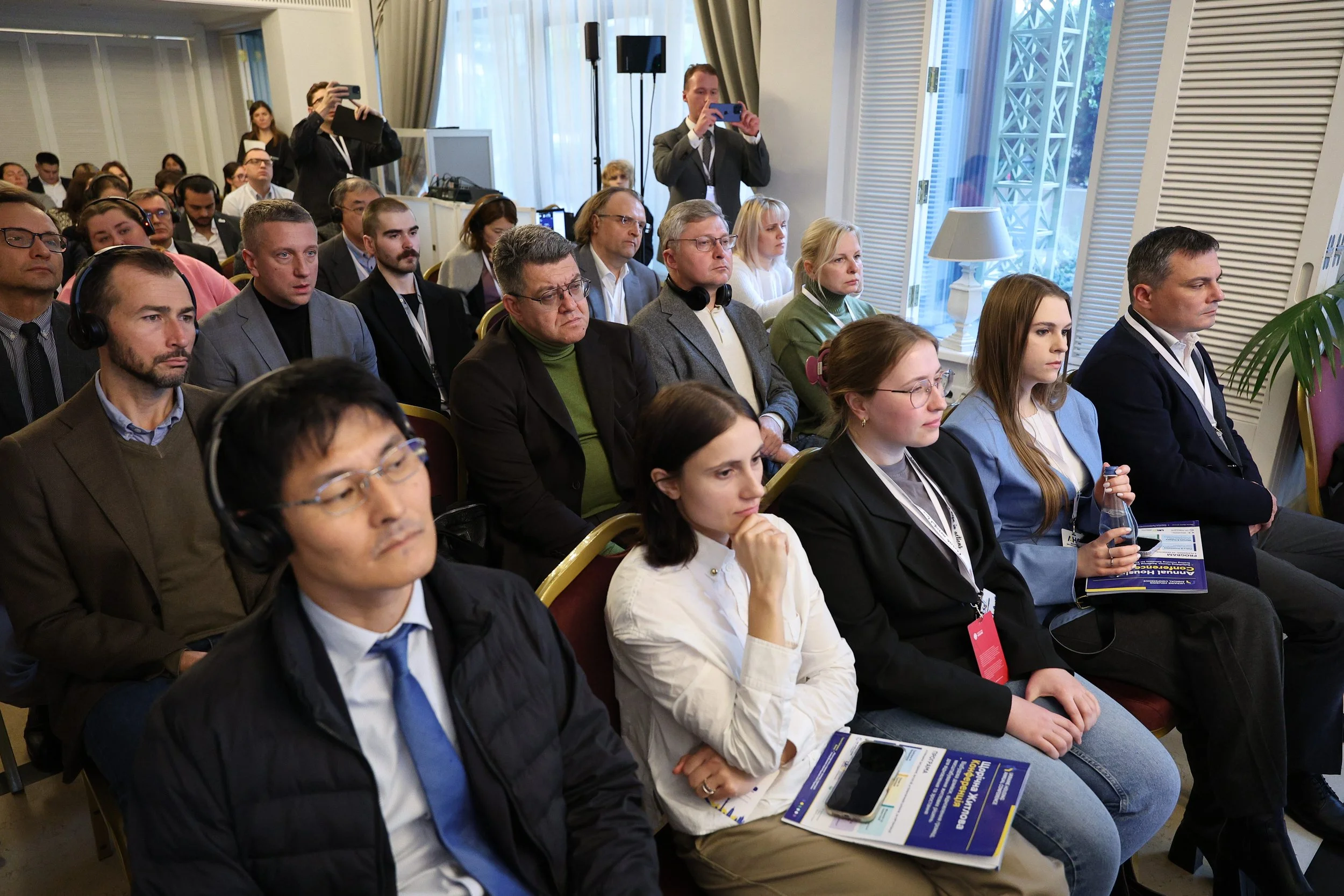
The mission began at the First Ukraine Annual Housing Conference (AHC 2026), held from 3 to 5 November 2026, in Kyiv, organized by the Ministry of Communities, Territories, and Internally Displaced Persons of Ukraine and the World Bank Group, with support from the Ukraine Relief, Recovery, Reconstruction and Reform Trust Fund (URTF) and the Government of Austria. The event brought together policymakers, financiers, implementers, technical experts, civil society, and the private sector to align policy priorities, implementation approaches, and investment decisions in housing recovery and reconstruction, strengthen coordination across all levels, and share lessons learned.
“Kharkiv Housing Recovery: From Vision to Action”
The UN4UkrainianCities’ dedicated session at the AHC
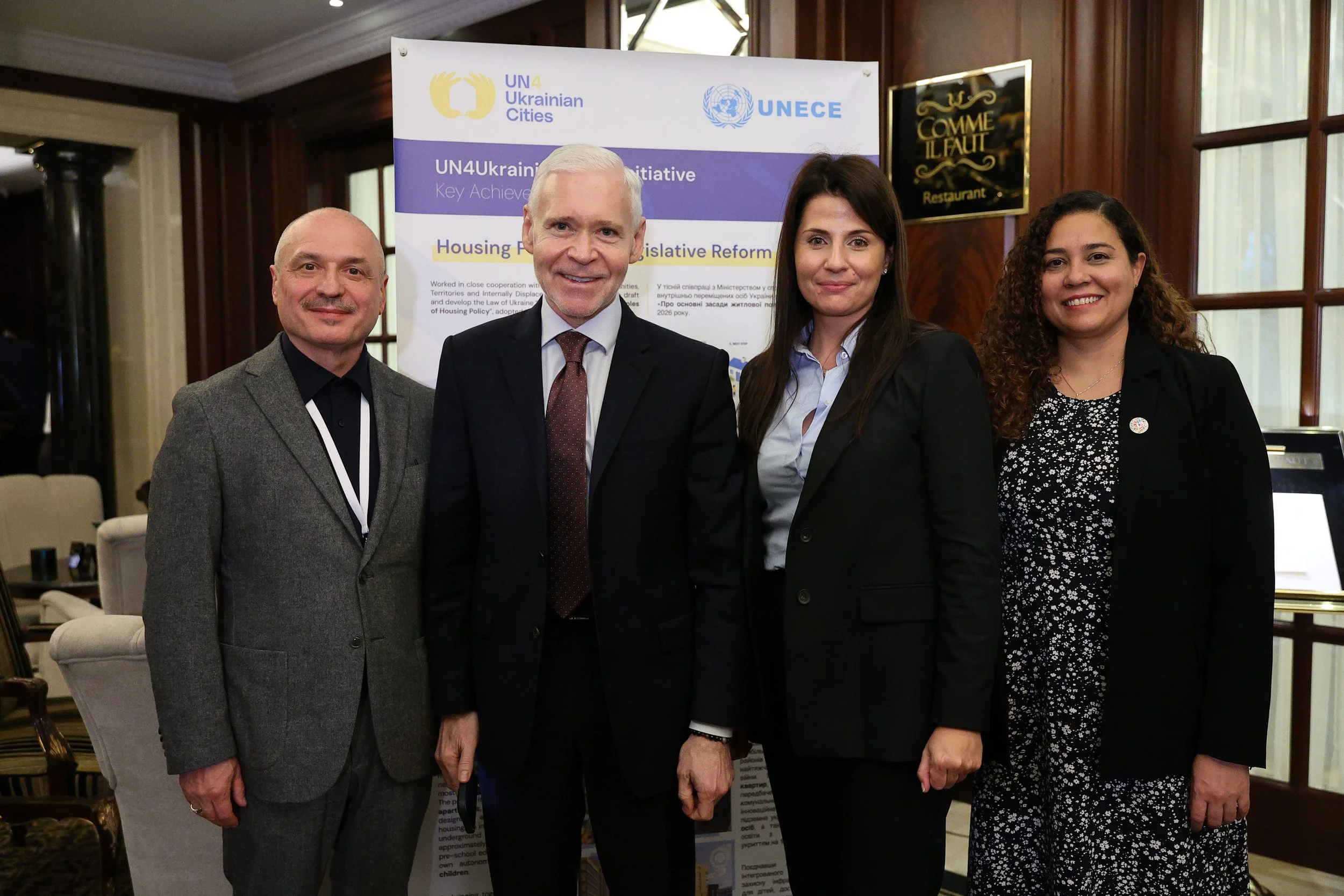
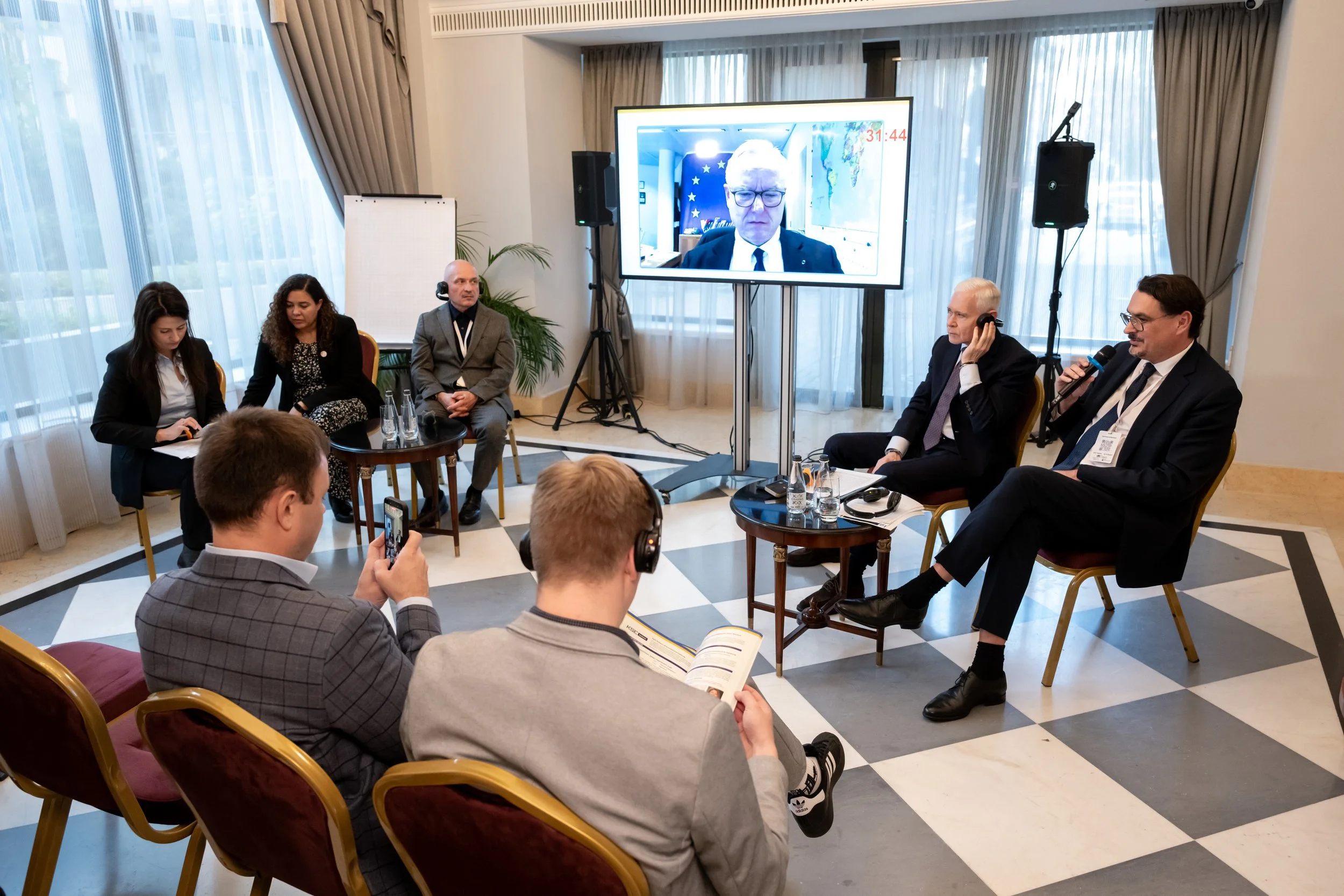
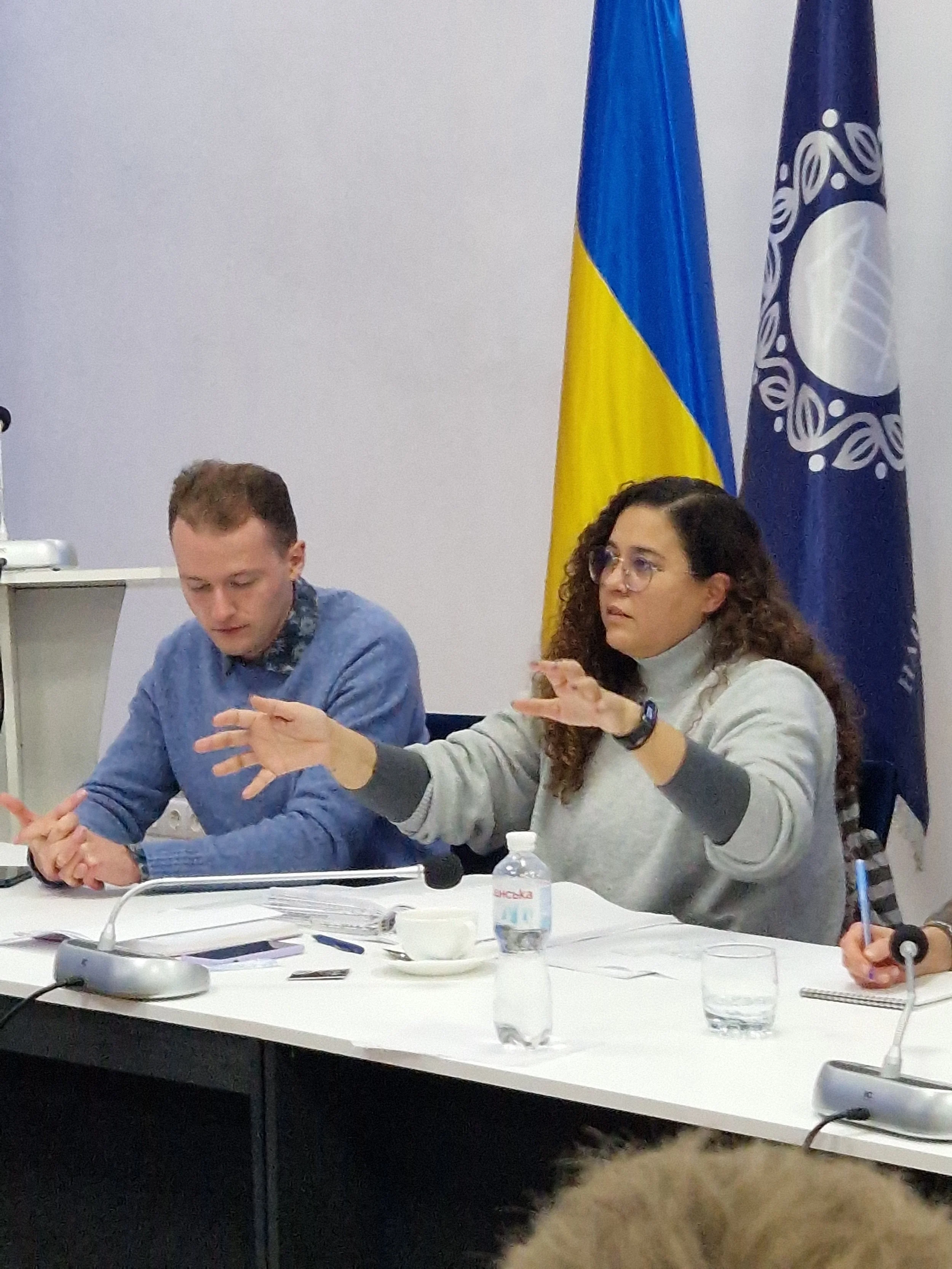
How can Ukraine’s national housing policy translate into concrete, implementation-ready housing projects at the local level? This question was at the heart of the session “Kharkiv Housing Recovery: From Vision to Action,” organized on 4 November by the UN4UkrainianCities Initiative in collaboration with Kharkiv City Council. Representatives of local government, academia, and international cooperation explored how integrated project preparation, feasibility planning, partnerships, and financing can turn housing recovery priorities into practical solutions. The discussion drew on the experience of the North Saltivka recovery project in Kharkiv, developed under the UN4UkrainianCities Initiative, as an example of how coordinated planning can support scalable housing recovery, going beyond housing alone and putting an integrated neighborhood approach into practice.
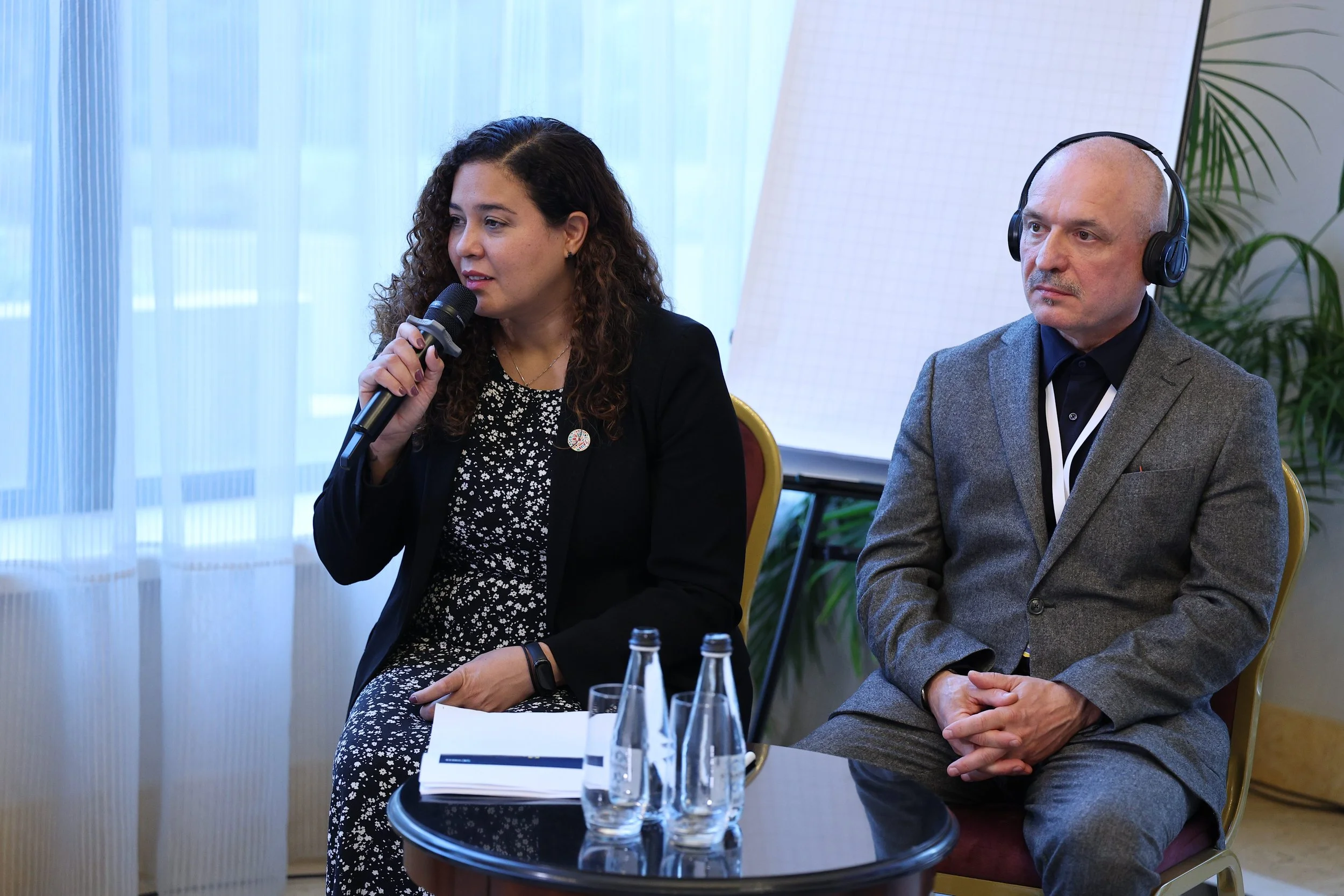
Opening the session, Thamara Fortes, Project Manager of the UN4UkrainianCities Initiative at UNECE, presented the Initiative’s approach to translating national housing-policy objectives into practical, implementation-ready local projects. She highlighted three interconnected components: supporting the National Government in reviewing and updating national housing legislation; developing technically detailed architectural pilot projects alongside Local Governments; and strengthening capacities through workshops, study visits and exchanges. Together, these components create a continuous feedback loop between policy and practice, supporting the design of more inclusive, resilient and sustainable neighbourhoods. Experience from pilot projects raises practical questions, such as what proportion of housing should be social or affordable, and how a housing operator could manage an integrated residential complex, which can inform legislative work. Capacity-building activities provide a space to discuss these questions, share lessons and help municipalities put national policy into practice.
Illustrating this approach, she presented the North Saltivka housing pilot project in Kharkiv, developed following an international architectural competition organized in partnership with the Norman Foster Foundation, which attracted 259 submissions from 53 countries, with winning proposals from the United Kingdom, China and Türkiye. The Initiative is now advancing the project through a technical feasibility study in partnership with the O.M. Beketov National University of Urban Economy in Kharkiv, demonstrating the value of combining international expertise with local knowledge. The proposed development covers 1.7 hectares and includes 5 residential blocks with 236 apartments of different types, 11 commercial spaces, green and public spaces, accessible routes, and a pre-school for 185 children and 55 staff with its own shelter. Ground-floor shops and services create a mixed-use neighbourhood, while a dual-use underground parking facility and shelter is designed to accommodate 2,400 people, serving both residents and those in surrounding buildings. The pilot brings housing, safety and everyday services into one integrated design, offering practical lessons for similar recovery projects across Ukraine.
With this presentation in the background, Ihor Terekhov, Mayor of Kharkiv, shared the city’s perspective on housing recovery and the challenges of rebuilding. Starting by describing North Saltivka, one of Ukraine’s largest neighborhoods, as a place he once helped evacuate and which is now a recovery priority, he stressed the importance of implementing this first pilot project as a practical example for the country. He raised key questions on how to house IDPs and whether a fully social or municipal model is feasible, calling for a funding model that combines international partners, the national budget, and local resources so construction can start now, given the urgency of the ongoing events.
Peter Wagner, Director and Head of the Service for Foreign Policy Instruments at the European Commission, addressed the challenge of dealing with destroyed housing and underlined the European Union’s continued support for Ukraine’s housing recovery. Moreover, Holger Seifert, Senior Technical Advisor at the Council of Europe Development Bank (CEB), stressed the importance of starting from the beneficiary, giving people a future so that they choose to stay. He noted that low-income households should be given attention, and costs must reflect what future tenants can afford, with subsidies where needed. He pointed to a range of financing options, including loans, grants, and subsidies.
Closing the discussion, Ihor Biletskyi, Rector of O. M. Beketov National University of Urban Economy in Kharkiv, highlighted that the city’s damaged housing cannot be rebuilt as it was before, showing how the North Saltivka Pilot Project is an example of how to do so, for instance, through the reduction of building height, with 5-story buildings replacing former 7- and 9-story ones, making them more resilient. The design counts with an underground shelter that can host 2,400 people for stays of up to two days, serving not only the project’s residents but also those in surrounding buildings.
Olga Demianenko, Associate Project Manager at UNECE, who moderated the session, concluded by urging financial institutions to work with municipalities to develop financing models that can support integrated housing recovery projects, particularly in frontline cities. She emphasized that municipalities are ready to engage in this process, helping shape solutions that respond to local needs and the challenges of rebuilding during an ongoing war. The North Saltivka pilot demonstrates how cities, universities and international partners can work together to prepare concrete projects; the next step is to build the financial partnerships needed to turn these plans into homes and neighbourhoods where people can see a future.

© Kharkiv City Council





© World Bank Group
First visit to Kharkiv brings the project team closer to the city’s housing recovery
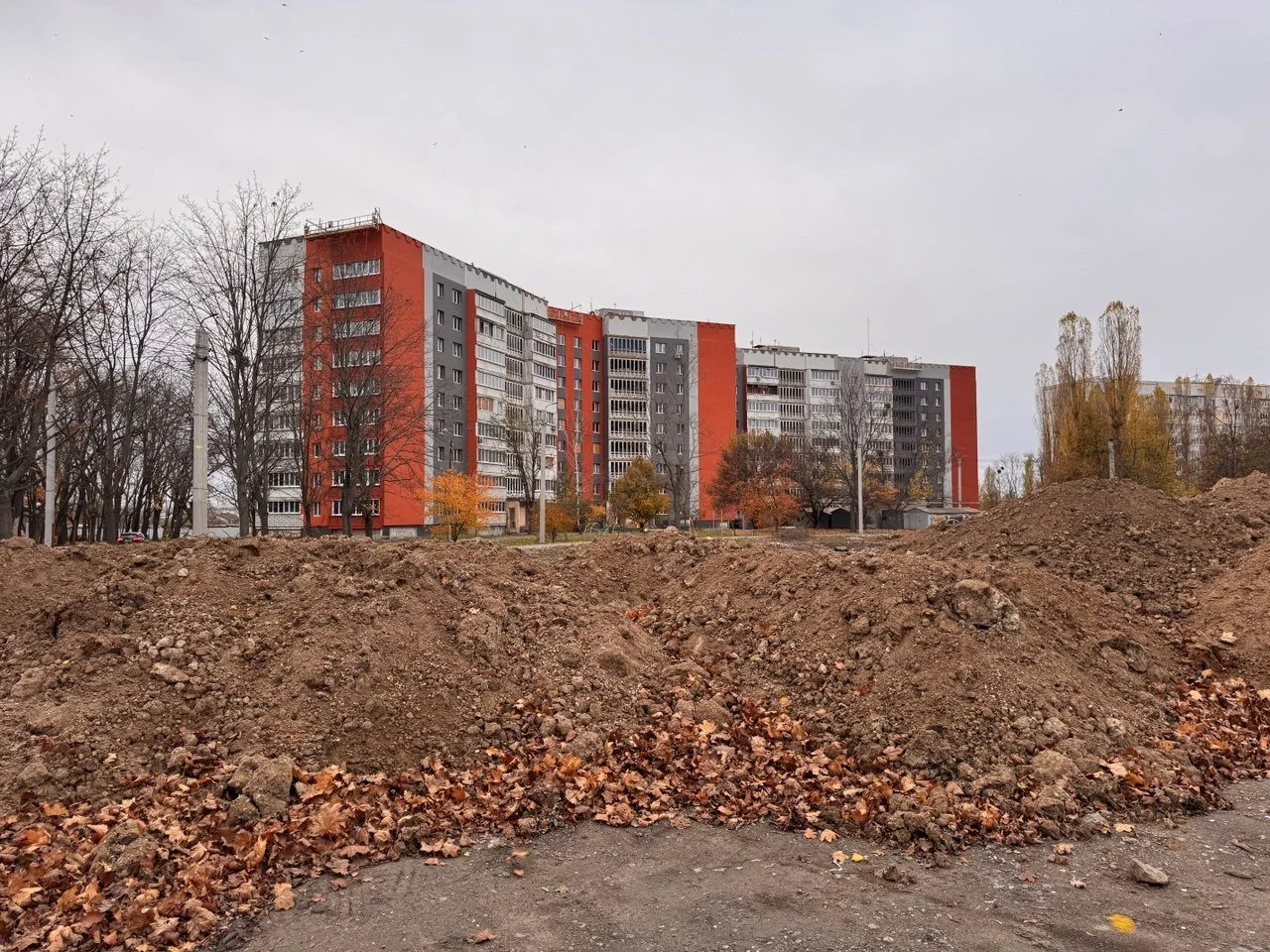
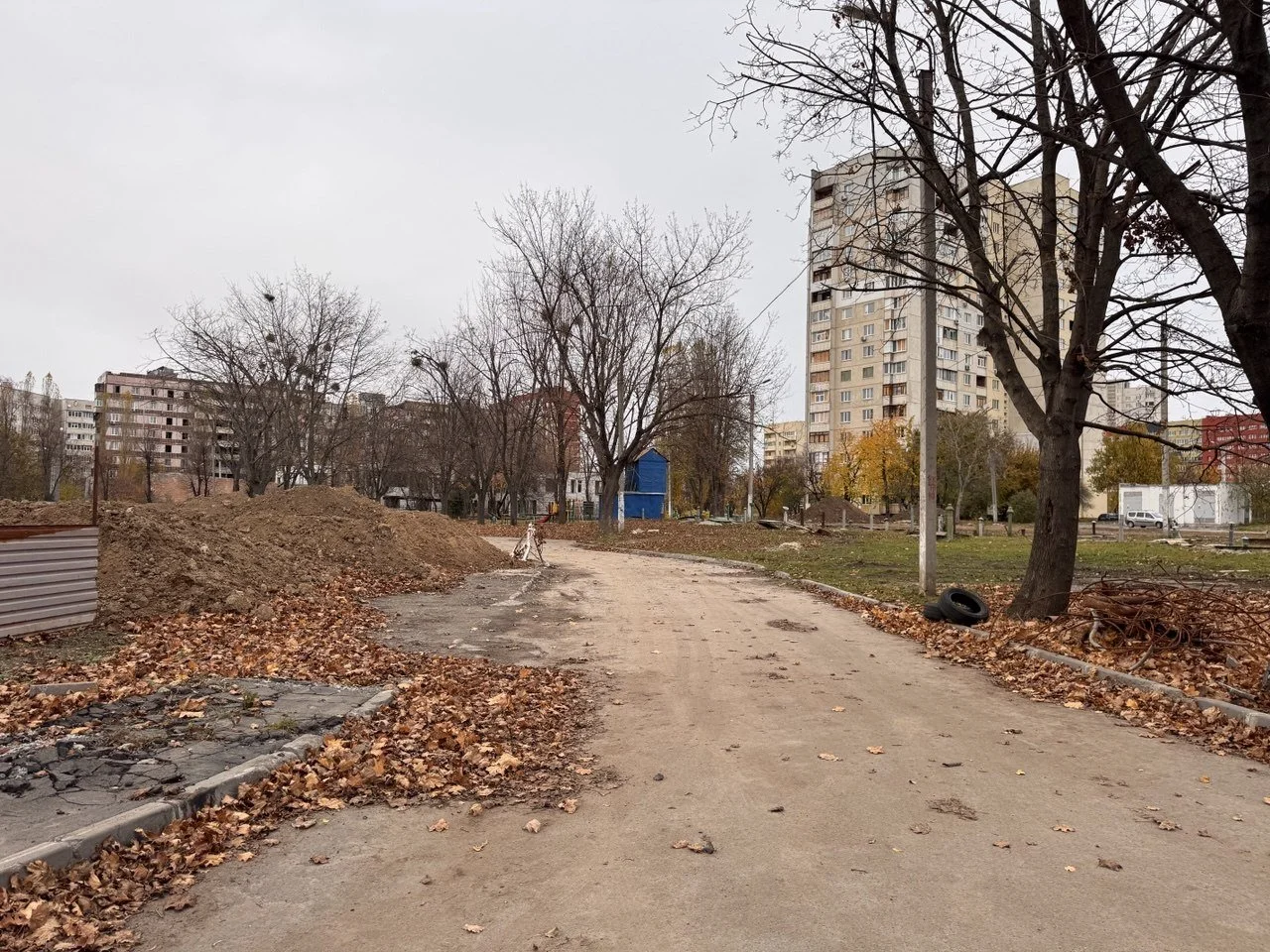
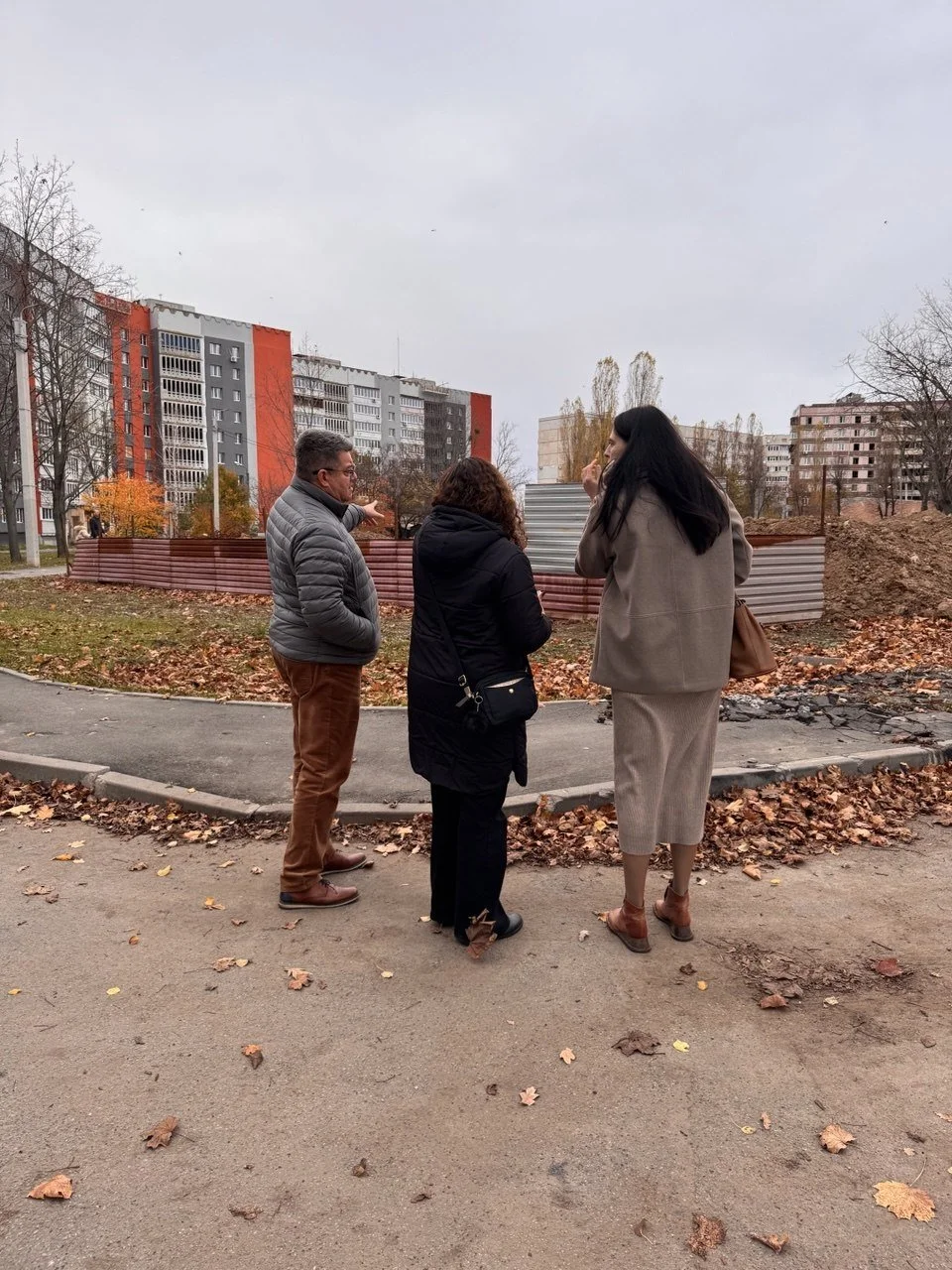
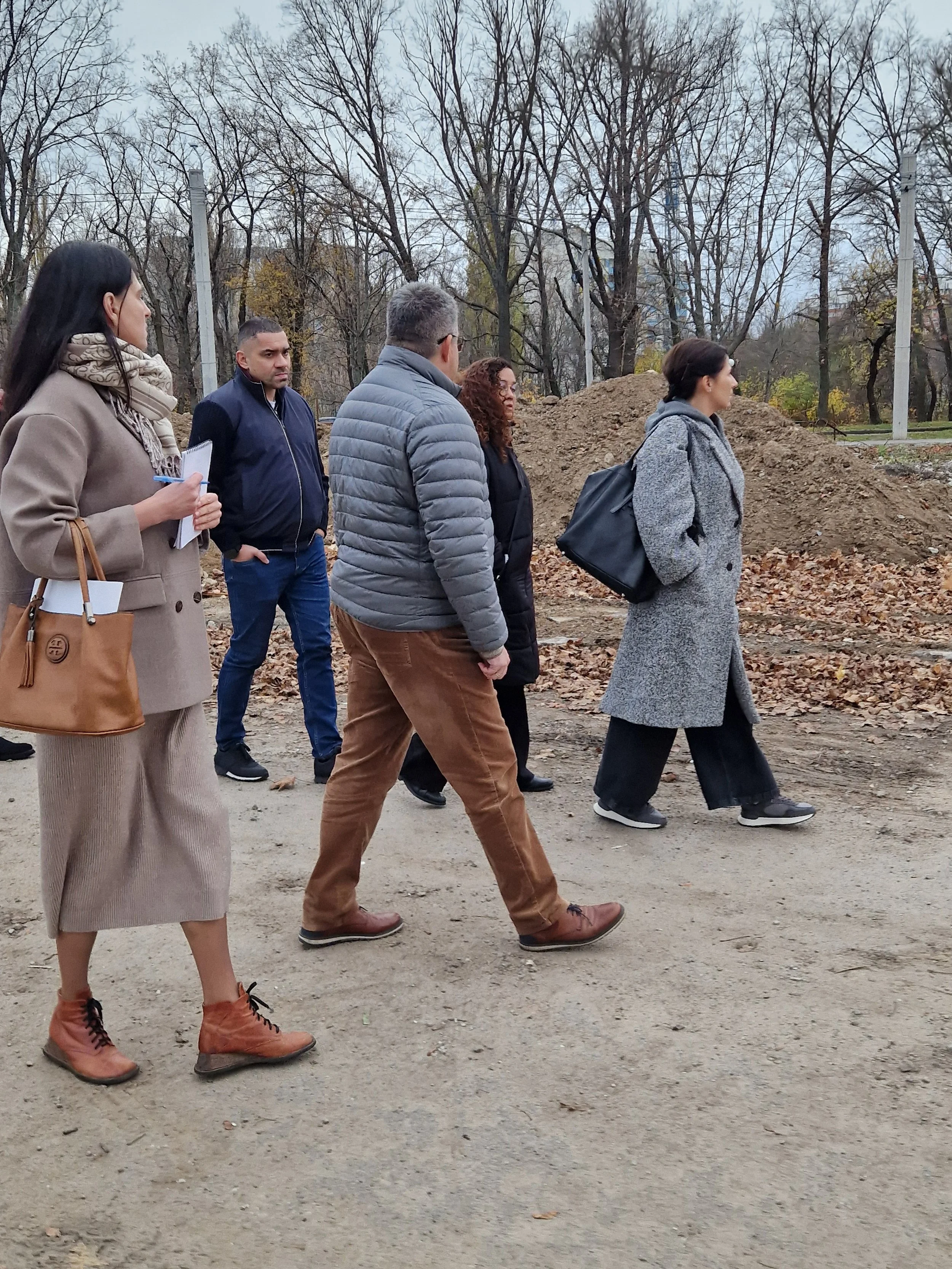
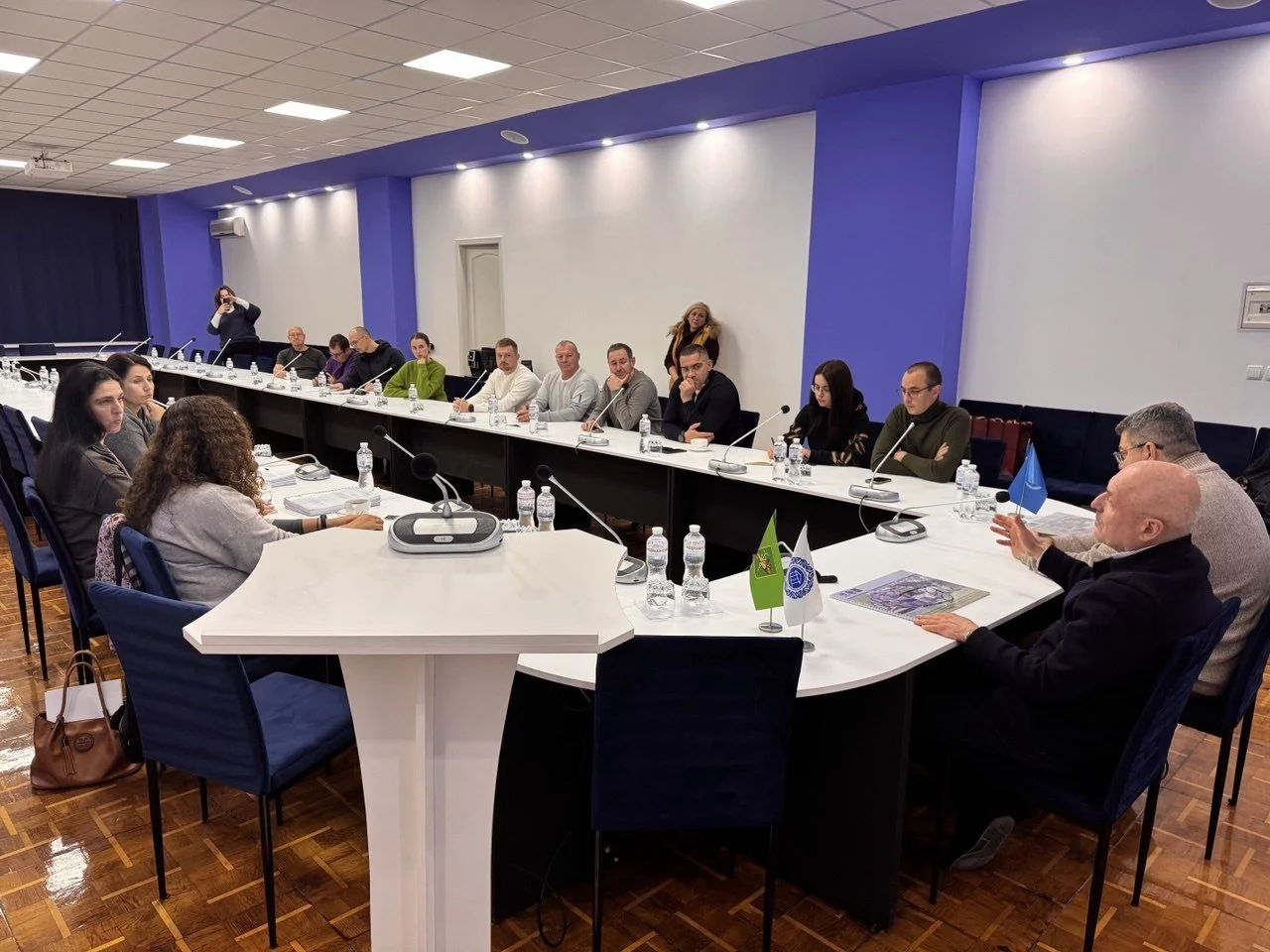
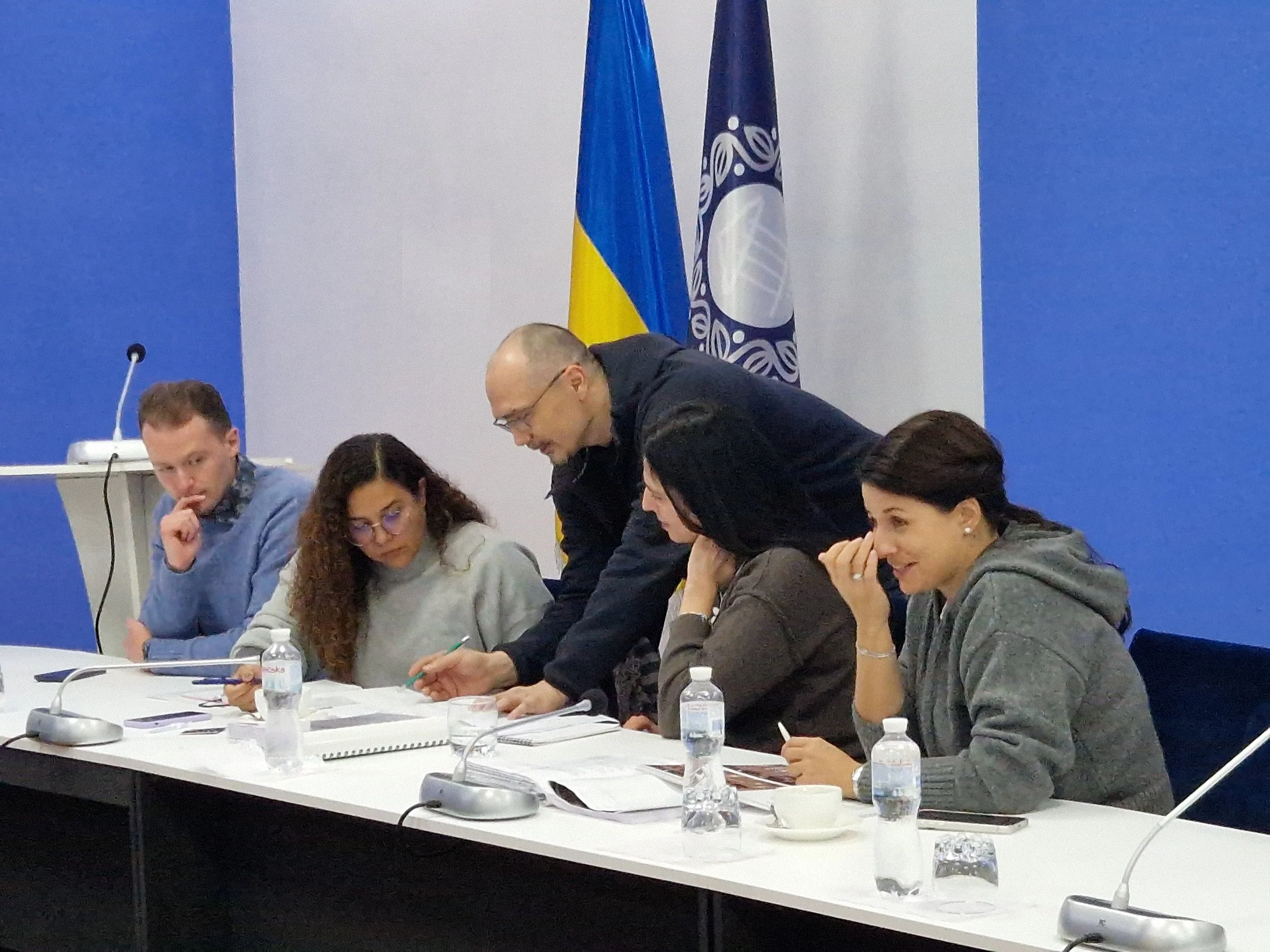
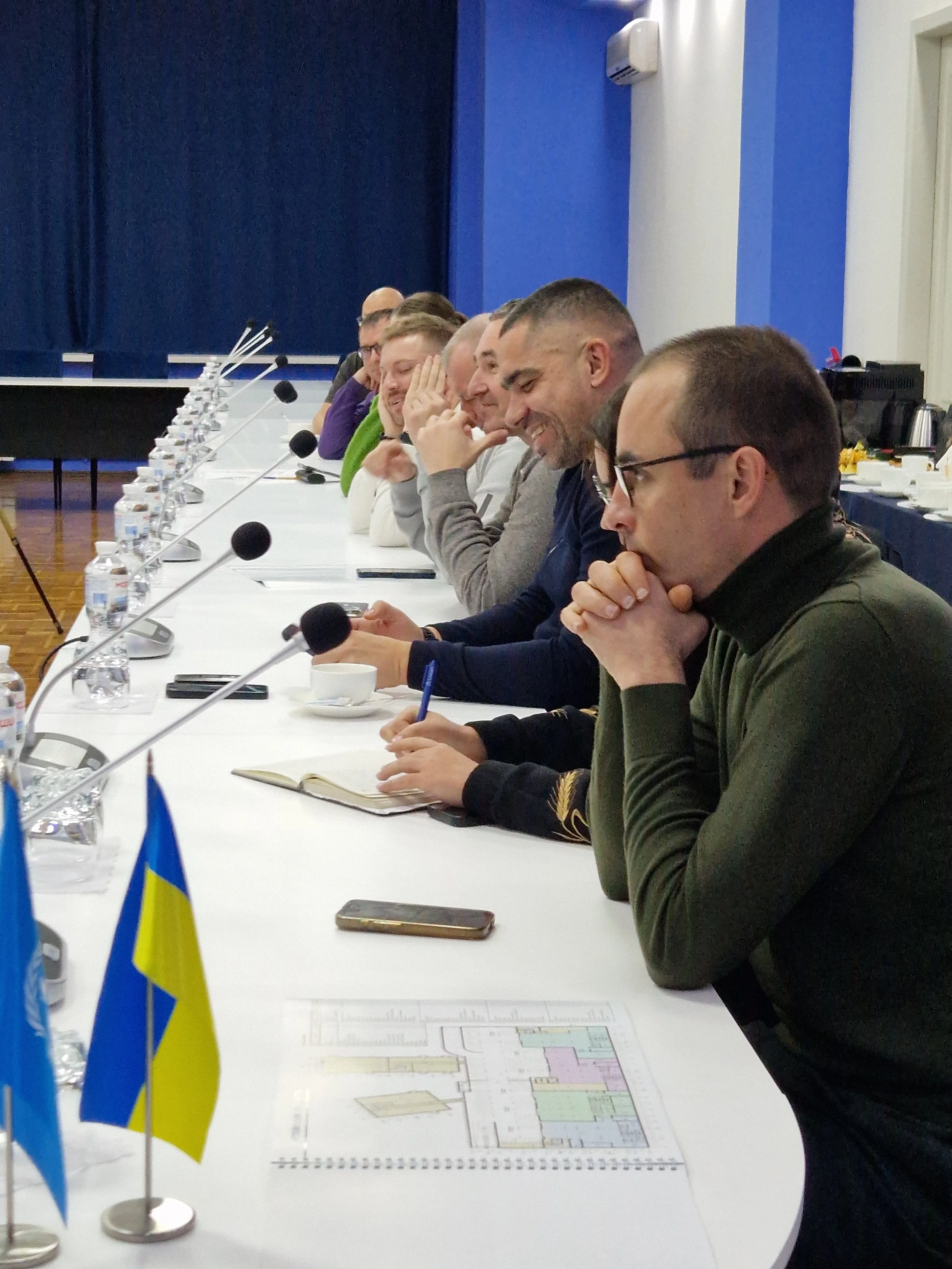
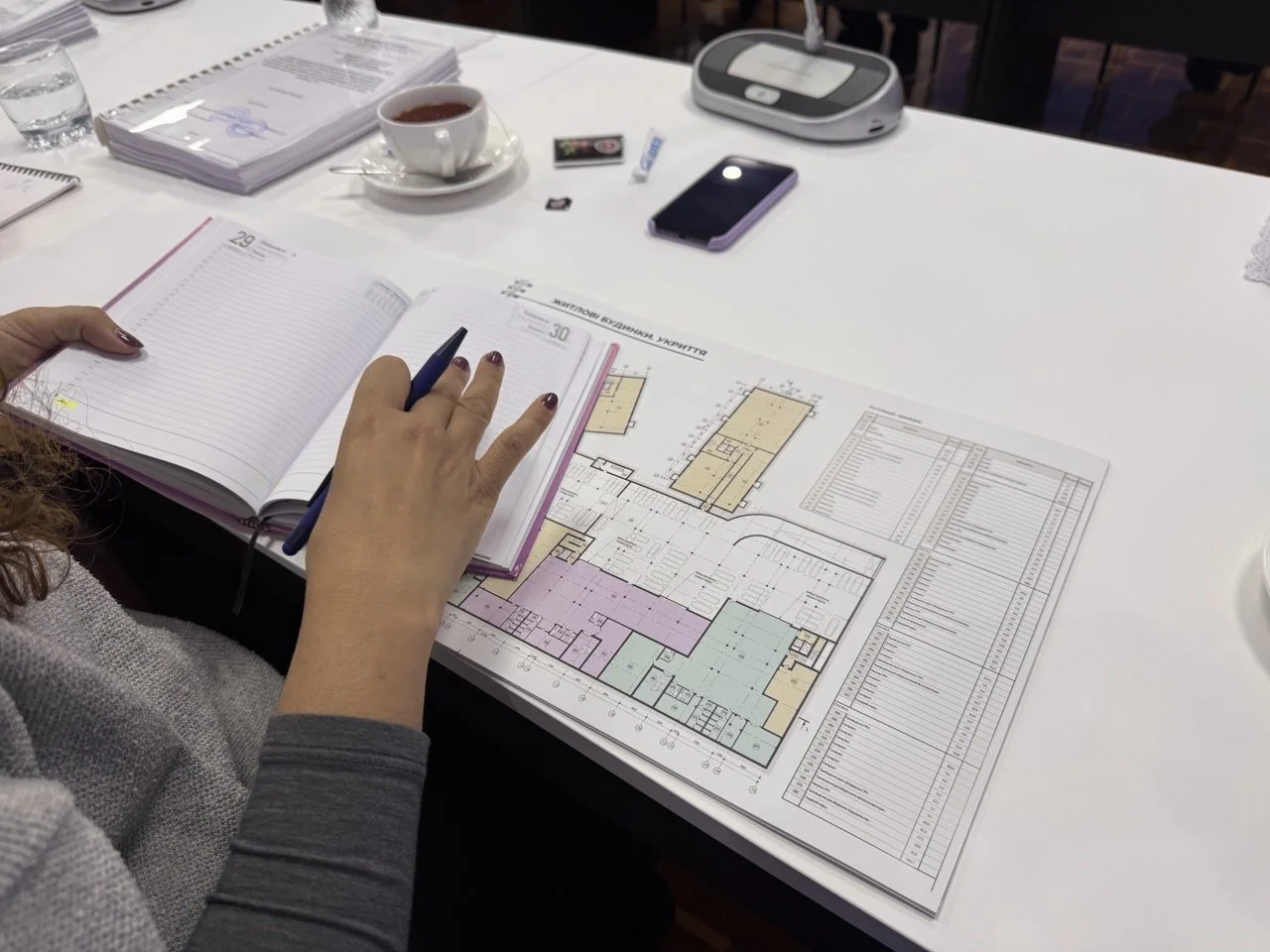
On 5 November, the UN4UkrainianCities project team visited Kharkiv for the first time since the Initiative began. Accompanied by representatives of the O.M. Beketov National University of Urban Economy in Kharkiv and local architects, they walked around the North Saltivka housing pilot site, where the existing buildings had been demolished, before exploring the park directly in front of the selected site. This provided an opportunity to assess site conditions, accessibility and connections with surrounding buildings and public spaces. The visit was followed by a technical meeting at the University to review the proposed construction phases, the design and accessibility of the dual-use underground shelter, and the buildings’ sections and façades. These discussions helped clarify how the proposed development would fit into the neighbourhood and the next steps needed to advance its technical design.
The University representatives, local architects and UNECE project colleagues also reviewed the outstanding issues delaying completion of the scheme design and identified questions requiring clarification from Kharkiv City Council and the Mayor. The discussions were followed by a tour of the University’s facilities, including its soil and materials testing laboratories. Participants reaffirmed their commitment to resolving the outstanding issues and completing the project within the agreed timeline.
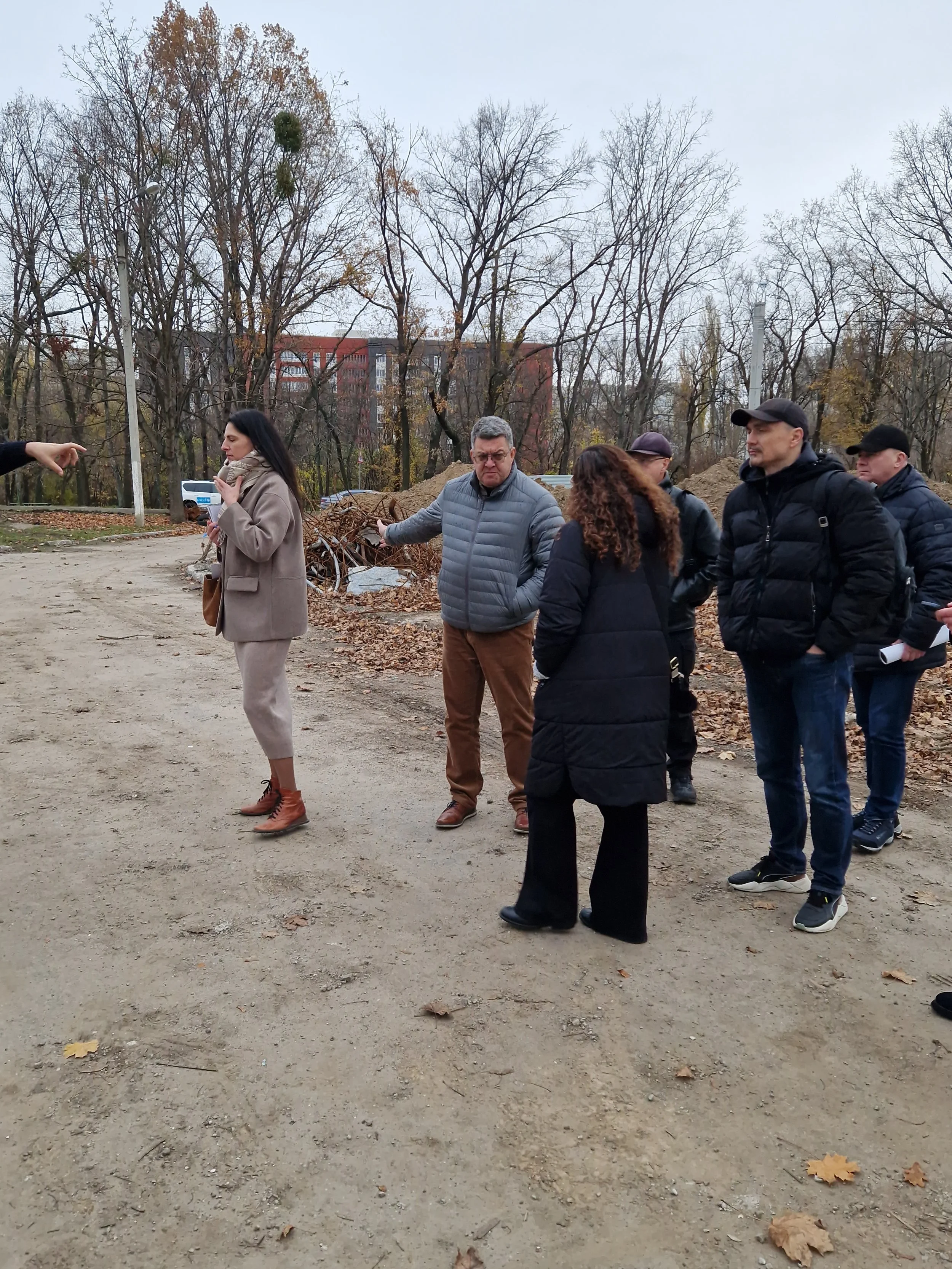
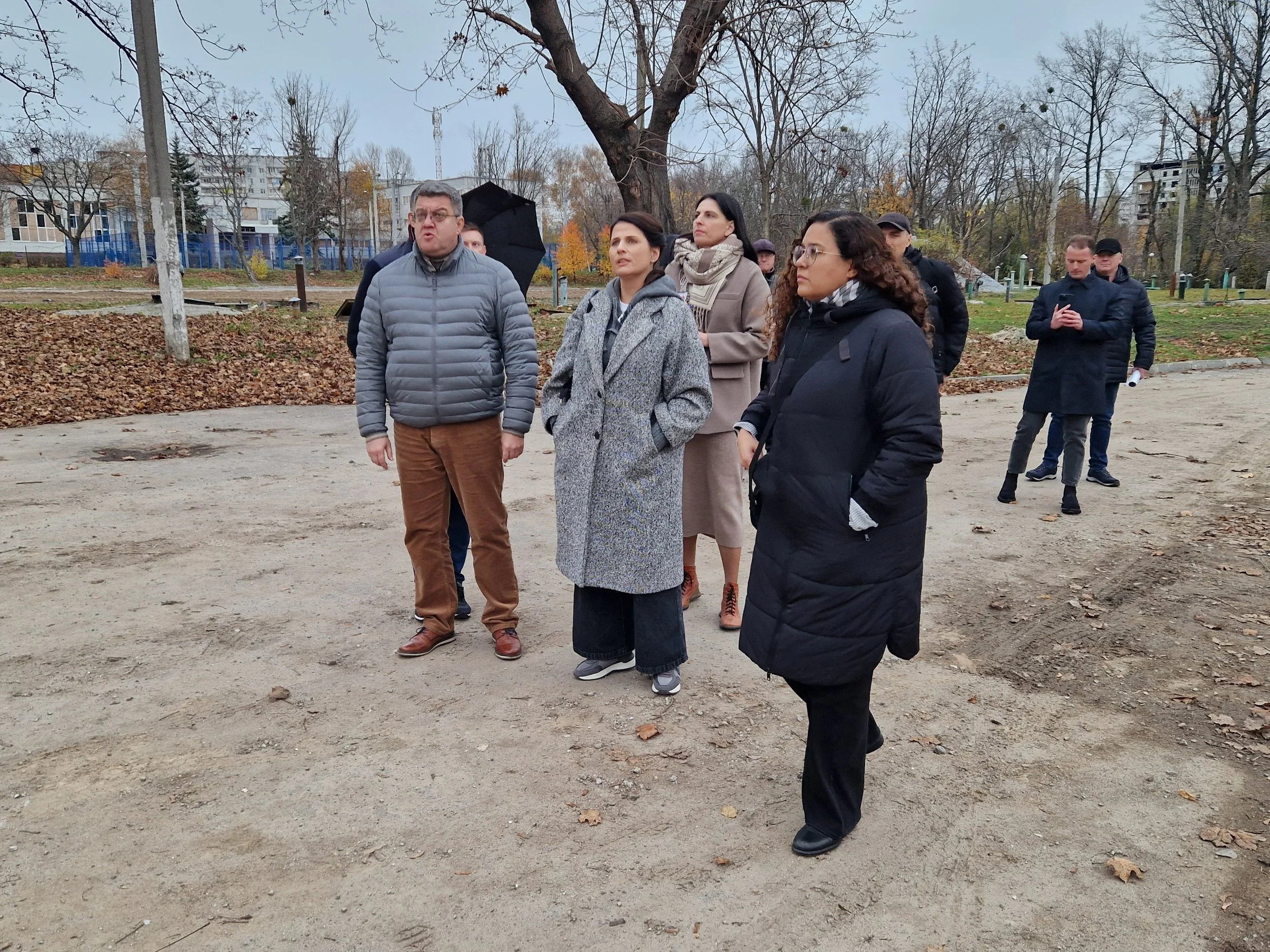
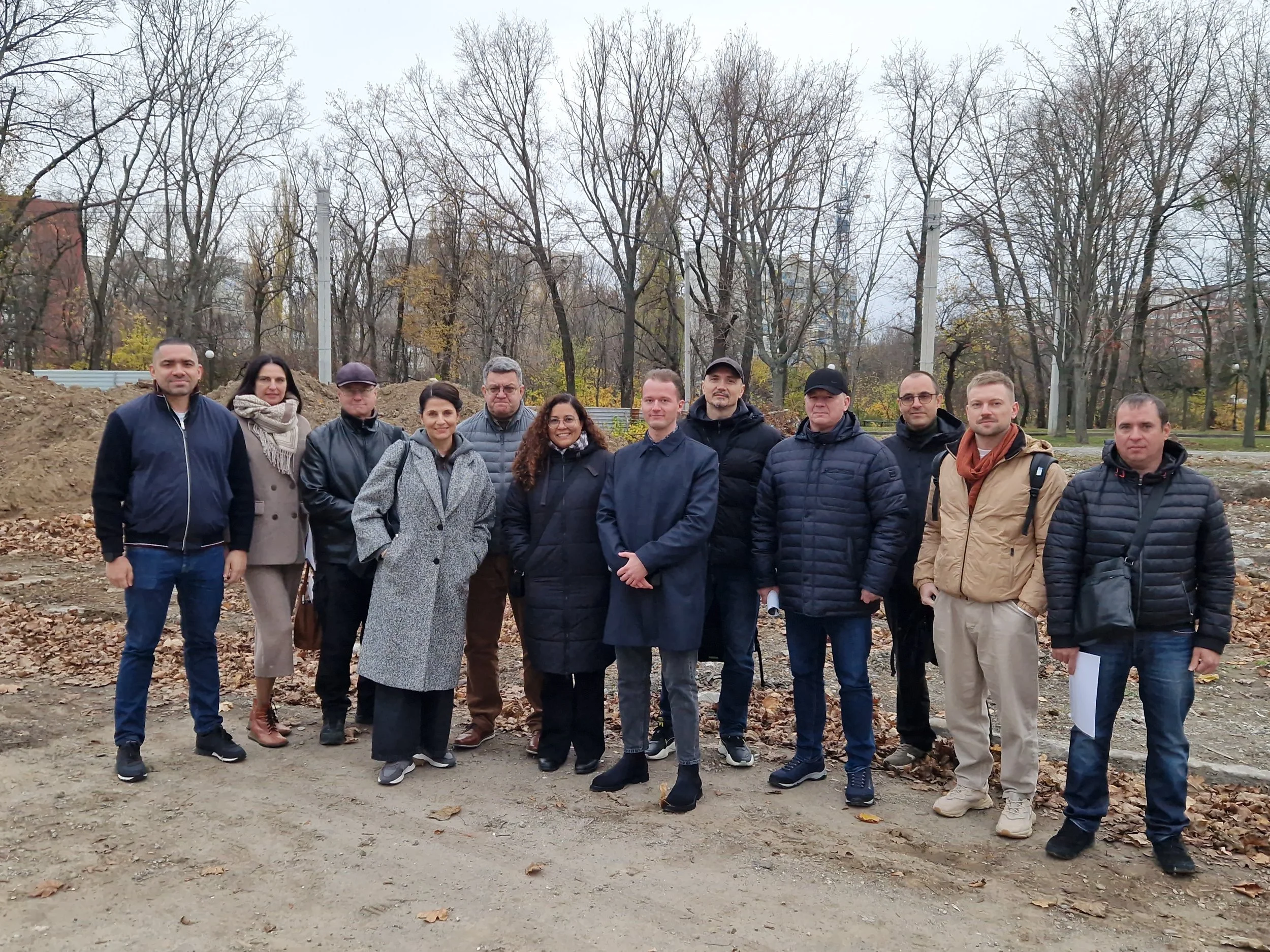
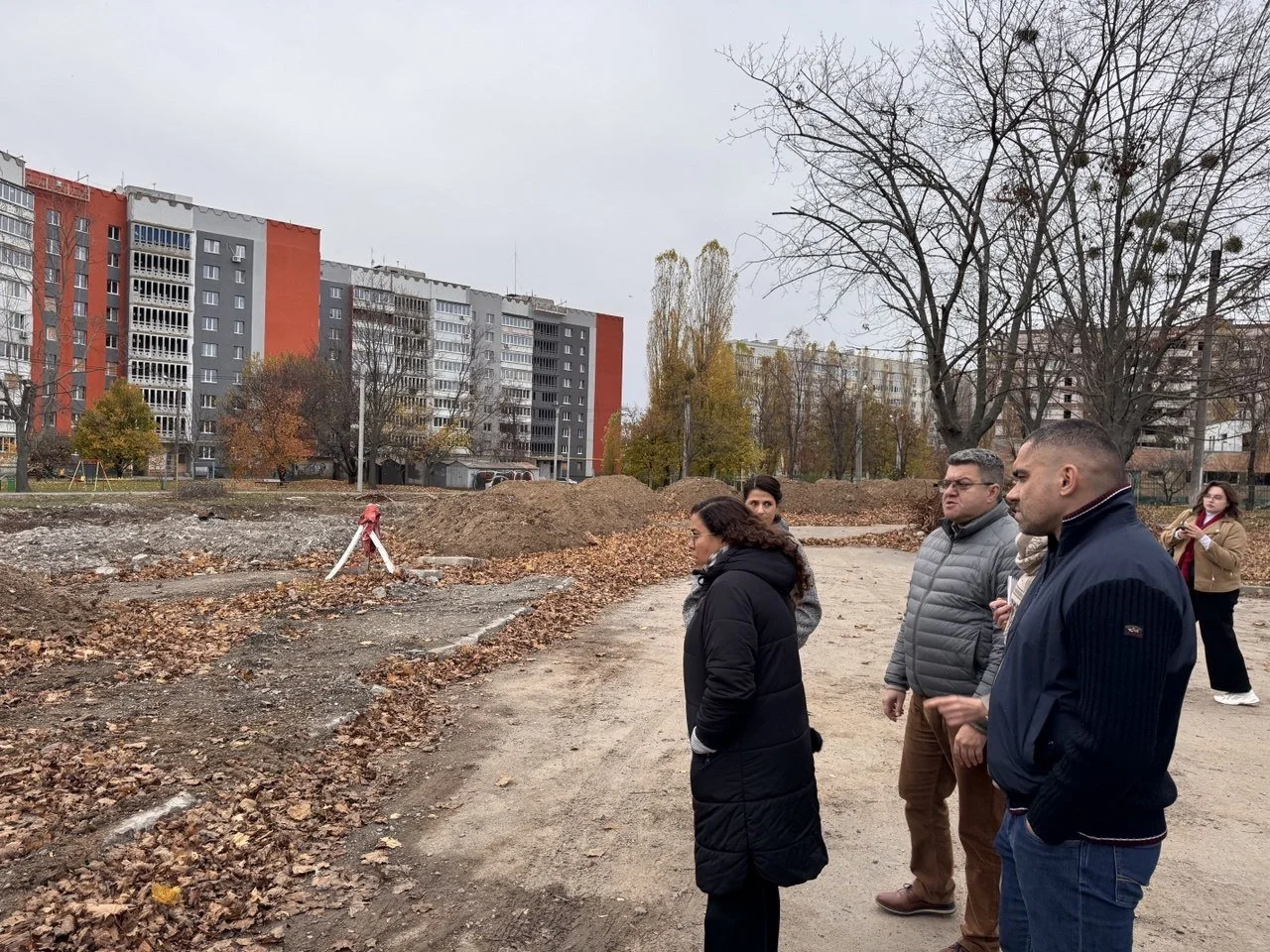
© O.M. Beketov National University of Urban Economy in Kharkiv


© O.M. Beketov National University of Urban Economy in Kharkiv
Meeting with the Mayor confirms priorities for the next design stages
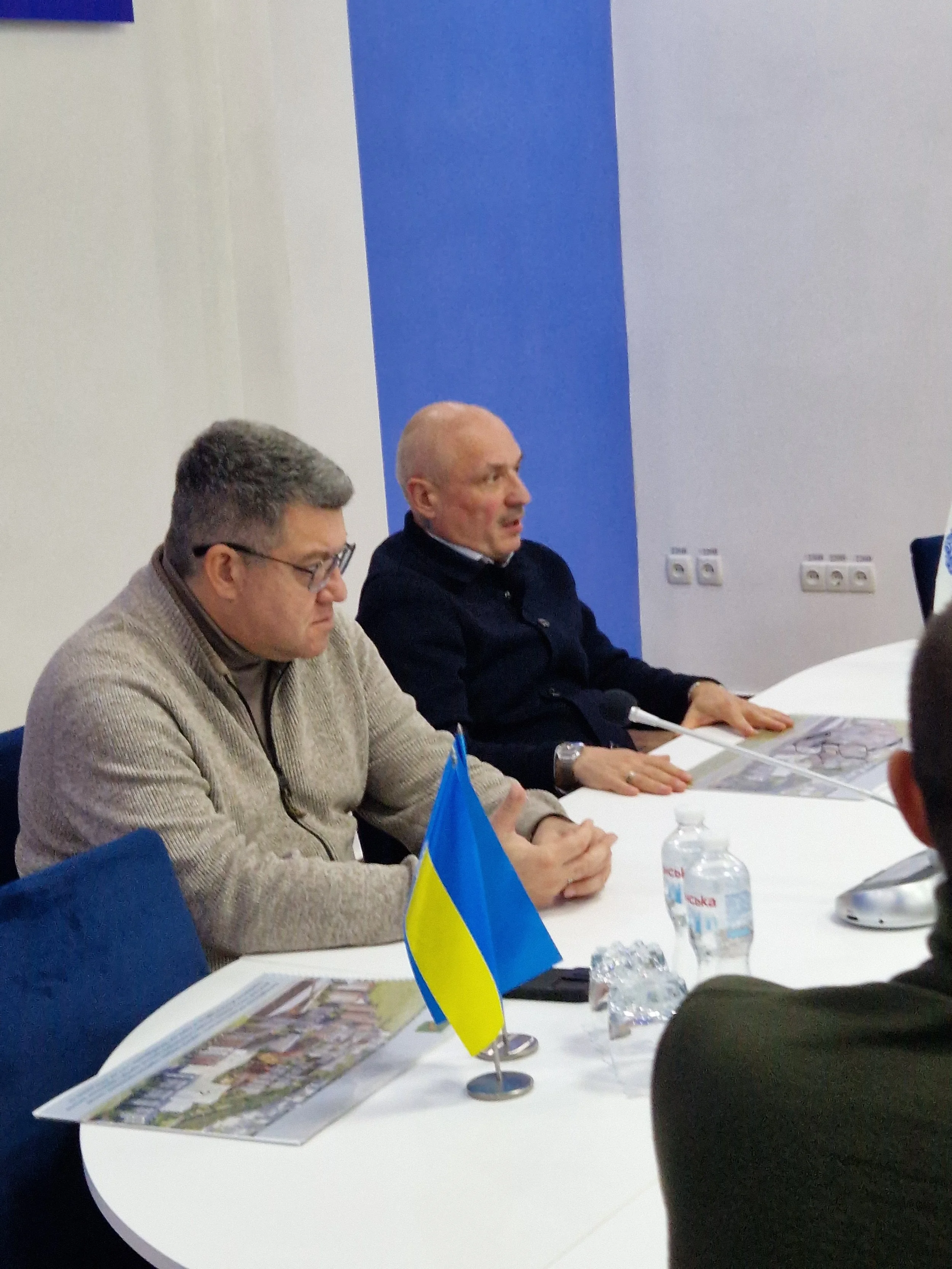
On 6 November, UNECE met with the Mayor of Kharkiv, representatives of Kharkiv City Council, the O.M. Beketov National University of Urban Economy in Kharkiv and local architects to review progress on the North Saltivka Housing Pilot Project and agree on key decisions for its further development:
Construction phases and financing: The bill of quantities (BoQ) should be prepared by construction phase, enabling the City Council to explore financing options that combine international support with national and local budgets.
Apartment finishes: Participants agreed that social housing apartments should be delivered fully finished, while other units would be provided to a “white-box” standard, leaving final finishes and internal layouts for future occupants.
Underground shelter: Discussions examined structural solutions, including pile foundations and retaining walls, and options for phasing construction of the dual-use underground parking and shelter.
Energy resilience: The proposed design includes solar panels to supply electricity to public spaces and a connection to the district’s existing cogeneration unit.
The Mayor expressed satisfaction with the progress achieved and encouraged all partners to maintain the agreed deadlines. UNECE thanked him for his time and emphasized that this first visit had deepened its understanding of Kharkiv residents’ attachment to their city and their determination to build a better future despite the challenges they face. The delegation also highlighted that the pilot represents UNECE’s first engagement at this level of technical design detail, making it a shared learning process for all partners. It acknowledged that the Mayor’s commitment and his vision of bringing internationally renowned architects together with local professionals had made the project possible.
The mission reinforced the importance of sustained cooperation between national authorities, municipalities, universities and international partners to turn housing recovery ambitions into projects ready for investment. For UNECE, the exchanges also provided practical lessons to inform its policy support, grounded in the technical and institutional challenges faced locally. Kharkiv’s determination to plan for the future remains a driving force behind this shared effort, with the next priority being to complete the design work and support the city in moving towards implementation.






© Kharkiv City Council